Cut and Sew: How Custom Clothing Production Works
Cut and sew is how most established clothing brands make their products. Instead of starting from a factory’s existing style, you design the garment yourself and the factory builds it from scratch. It gives you full control, but it also asks more of you in time, money and preparation.
In this guide, we walk through how cut and sew works, what it costs and when it is worth it. It goes deeper into one side of our private label vs cut and sew comparison.
What Cut and Sew Means
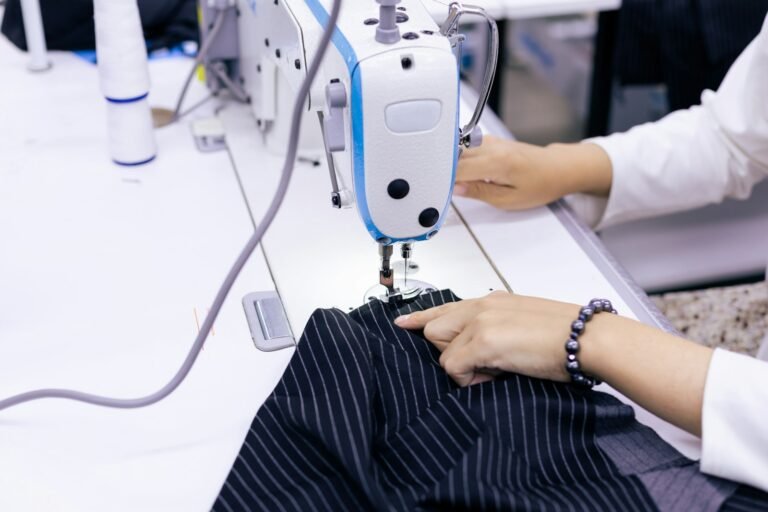
In cut and sew production, fabric is cut from your own pattern and sewn together to your specifications. You choose the fabric, the fit, the stitching, the trims and every other detail. The result is a garment nobody else has.
That is the main difference with private label clothing, where you adjust a base style the factory already makes.
The Cut and Sew Process
Step 1: Design and Tech Pack
Everything starts with your tech pack. It describes measurements, materials, construction and finishing, so the factory knows exactly what to make.
Step 2: Pattern Making and Grading
A pattern maker turns your design into a paper or digital pattern. Once the base size works, the pattern is scaled to the other sizes with grading rules.
Step 3: Fabric Sourcing
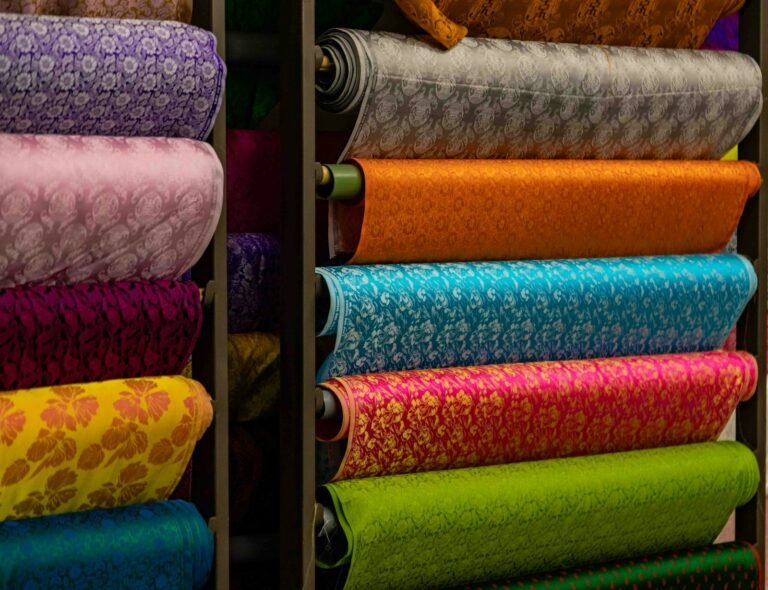
You or the factory source the fabric and trims. Keep an eye on the fabric MOQ, because custom fabrics often come with high minimums. Shopify’s guide on how to source fabric covers the main options.
Step 4: Sampling
The factory makes a prototype, then one or more fit samples and finally a pre-production sample. Each round brings the garment closer to the final version.
Step 5: Production and Quality Control
After your approval, the factory cuts and sews the bulk order. Before shipment, you check the goods with proper quality control.
What Cut and Sew Costs
Cut and sew has more upfront costs than private label. You pay for pattern making, several sample rounds and often a higher minimum order. The price per piece depends on the fabric, the complexity of the garment and the quantity.
In return, you get more control over quality and cost as you grow. Larger orders usually bring the price per piece down a lot. Our MOQ guide explains how minimums and unit prices are linked.
When Cut and Sew Is Worth It
Cut and sew usually pays off when one or more of these apply:
- Fit or construction is a core part of your brand.
- You need a fabric, detail or silhouette that no base style offers.
- You have proven demand for a product and want to own it fully.
- You have the budget and time for several sample rounds.
Many brands start with private label and move their best sellers to cut and sew. That way, the development money goes to products that already sell.
Tips for Your First Cut and Sew Project
A first cut and sew project goes much smoother when you keep it simple:
- Start with one garment, not a full collection.
- Use a reference garment you like as a starting point for the fit.
- Choose fabrics with low minimums for your first run.
- Budget for at least two or three sample rounds.
- Get every agreement in writing, from MOQ to lead time.
Choosing the right materials is half the work. Our guide to fabrics for clothing brands helps you compare the most common options.
Frequently Asked Questions about Cut and Sew
Cut and sew means a factory cuts fabric from your own pattern and sews it into a garment based on your design, instead of using one of its existing styles.
With cut and sew, you design the garment from scratch. With private label, you customize a base style that the factory already makes.
It depends on the fabric, the complexity and the quantity. Besides the price per piece, you pay for pattern making, sample rounds and usually a higher minimum order than with private label.
Minimums vary per factory and product, but cut and sew usually has higher minimums than private label, often counted per style and per color.
Yes. A tech pack tells the factory exactly how to make your garment, including measurements, materials, construction and finishing.
A first cut and sew garment often takes several months from tech pack to delivery, because of pattern making, sample rounds, production and shipping.