Private Label Clothing: How It Works and How to Make It Yours
Private label is one of the most popular ways to launch a clothing brand without designing every garment from scratch. You get products with your own name on them, made by a real factory, without months of development. To use it well, though, you need to know what you can and cannot change.
In this guide, we explain how private label clothing works, what you can customize and how to make a private label product feel truly yours. It goes deeper into one side of our private label vs cut and sew comparison.
What Private Label Clothing Is
Private label clothing is made by a manufacturer from one of its existing base styles and sold under your brand name. The factory already has the pattern and the production process. You choose the options and add your branding.
Maker’s Row explains how private label differs from white label and cut and sew in more detail. In short, white label products are generic, while private label products are adjusted for one brand.
What You Can Customize
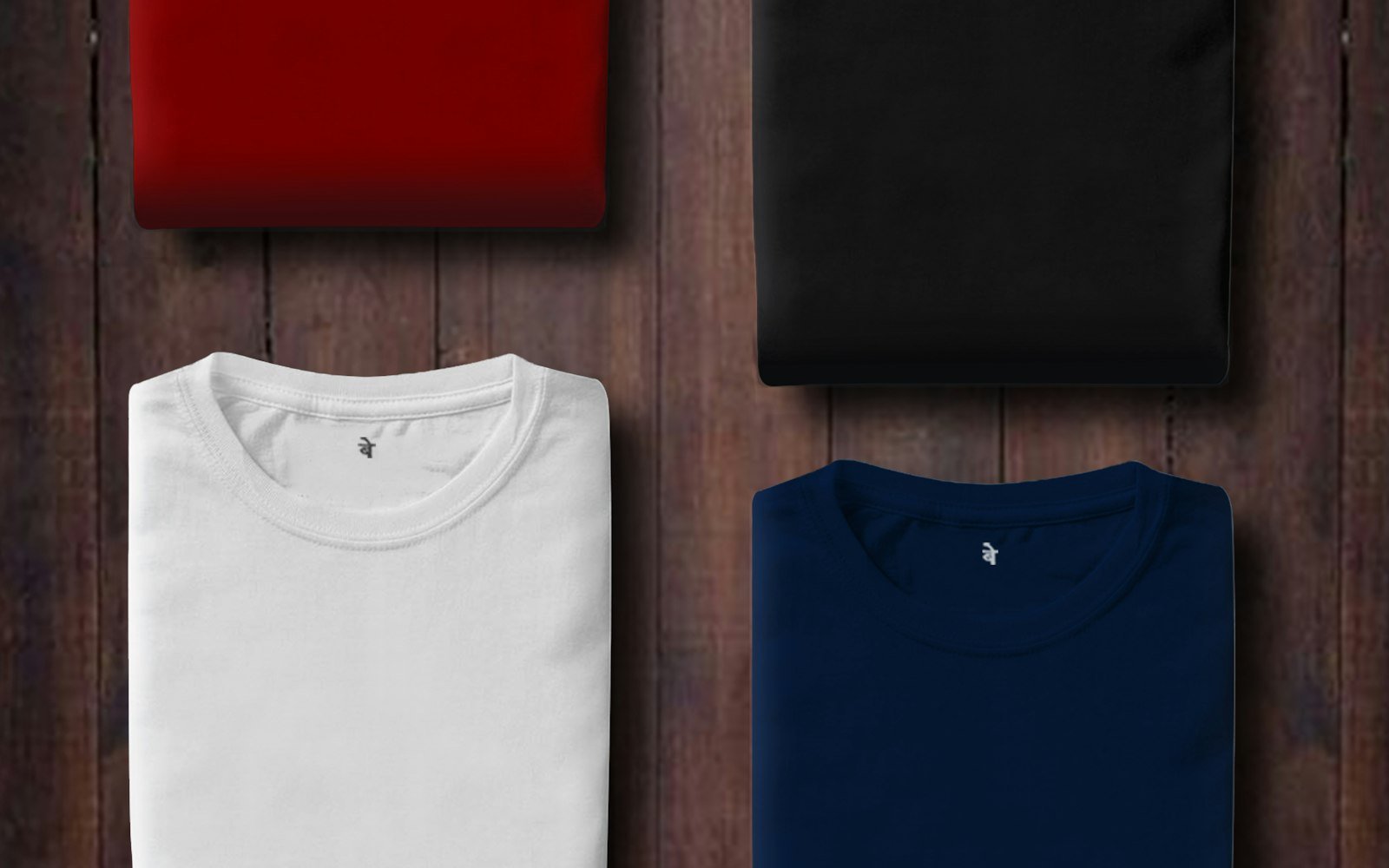
Fabric and Color
Most factories offer a range of fabrics and colors for each base style. Some can also dye a custom color, but that usually raises the minimum order.
Small Fit Adjustments
Many manufacturers allow small changes, such as a longer body, a cropped length or a different rib. Larger changes to the pattern, however, push the product toward cut and sew.
Labels and Trims
This is where private label really becomes yours. You can replace the factory label with your own neck labels, size labels and care labels. You can also add your own drawcords, zipper pullers or woven patches.
Prints and Embroidery
Your design is usually added with screen printing, embroidery or another decoration technique. Many private label factories offer this in house.
How Private Label Production Works
The process is much shorter than full product development. It usually looks like this:
- Choose a base style from the manufacturer’s catalog.
- Select the fabric, color and any small fit changes.
- Send your label files, artwork and placement details.
- Approve a sample.
- Place your order and check the finished goods.
Because the pattern already exists, this takes far less time than starting from scratch. Minimums are often lower too, although they still apply per style and color. Our MOQ guide gives typical ranges.
Pros and Cons of Private Label
The advantages:
- A faster launch, often within weeks instead of months.
- Lower minimums and lower development costs.
- A base fit that has already been tested on many customers.
The disadvantages:
- Other brands may sell products made on the same base style.
- Less control over the fit and construction details.
- It is harder to stand out on the product alone.
How to Make a Private Label Product Feel Like Yours
Since other brands may use the same base style, the details make the difference. Add custom labels and trims, choose a distinctive colorway and put real thought into your graphics. Your packaging and unboxing also shape how customers see the product.
Private label is also a natural next step after print on demand. You keep fairly low minimums, but you get better quality and more room for branding.
Frequently Asked Questions about Private Label Clothing
Private label clothing is made by a manufacturer from one of its existing base styles and sold under your own brand name, with your choice of fabric, color, labels and decoration.
White label clothing is a generic product that many brands can sell as is. Private label clothing is customized for one brand, for example with its own fabric, color, labels and trims.
You can usually make small changes, such as length, rib or fabric. Bigger changes to the pattern turn it into a cut and sew project.
It differs per factory, but private label minimums are usually lower than cut and sew minimums. They still apply per style and often per color.
Yes, for many new brands it is a smart way to launch quickly with lower costs and risk, and to test demand before investing in custom development.
Use custom labels and trims, a distinctive colorway, strong graphics and thoughtful packaging, so the product feels like your brand and not like a generic base.