Dresses for Clothing Brands: Styles, Fabrics and Production Tips
Dresses can be the heart of a collection. One good dress is a complete outfit, which makes it easy for customers to buy and style. For a clothing brand, though, dresses are also more complex to develop than a T-shirt or hoodie.
In this guide, we cover the main dress styles, the best fabrics and what to plan for in development and production. It is part of our guide to garments for clothing brands.
Popular Dress Styles
- T-shirt dress: a simple, relaxed dress in jersey, easy to produce.
- Slip dress: a minimal, bias-cut dress with thin straps, often in satin or silk.
- Shirt dress: a button-front dress with a collar, usually in cotton or linen.
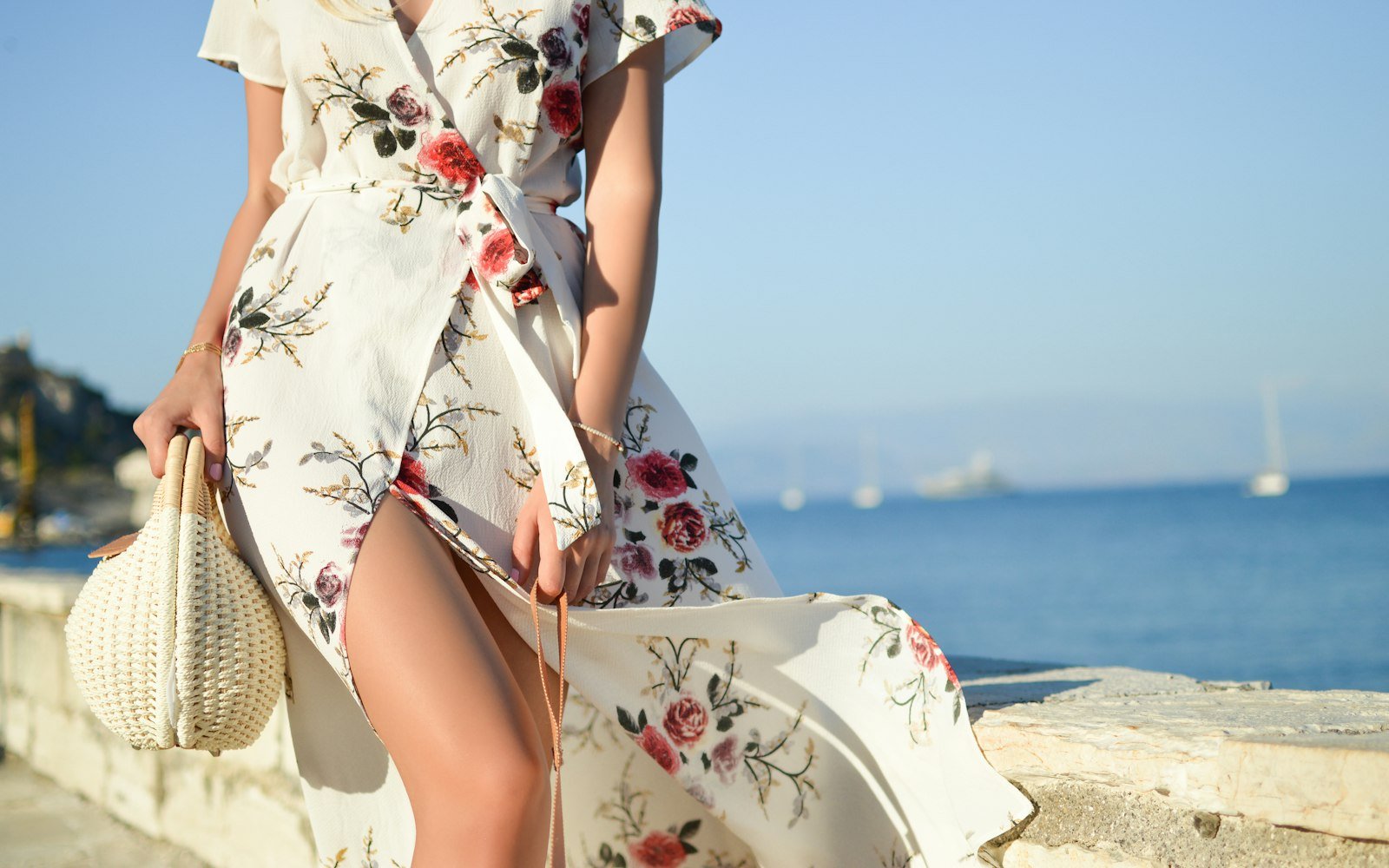
- Wrap dress: a dress that wraps and ties around the waist, flattering for many body types.
- Maxi dress: a long dress, popular in summer collections.
- Knit dress: a fitted or relaxed dress in rib or sweater knit.
Wikipedia gives a broad overview of dress types and history if you want more inspiration.
Choosing the Right Fabric
Fabric decides how a dress falls and moves. Jersey works for casual, stretchy styles. Viscose gives a soft, flowing drape at a reasonable price. Silk and satin suit evening and slip dresses. Linen and cotton work for structured summer styles.
What Makes Dresses More Complex
Fit
A dress has to fit at the shoulders, bust, waist and hips at the same time. That makes fitting harder than for tops or bottoms. Plan extra fit sample rounds and test on several body types.
Fabric Use
Dresses use a lot more fabric than tops, especially long or full styles. That raises your cost per piece and can push up your fabric minimums.
Sizing
Customers worry about fit when buying dresses online. A detailed size guide with real garment measurements helps prevent returns.
Planning Dresses in Your Collection
Dresses are often seasonal. Lighter styles sell best in spring and summer, as we explain in our guide to summer collections. Start with one or two strong styles in a few colors, then expand once you know what sells.
Frequently Asked Questions about Dresses
T-shirt dresses and simple jersey or knit dresses are usually the easiest, because they need less complex patterns and fitting.
It depends on the style. Jersey suits casual dresses, viscose gives a soft drape, silk and satin suit evening styles, and cotton or linen suit structured summer dresses.
A dress has to fit at the shoulders, bust, waist and hips at the same time, so small pattern differences show more.
Use a detailed size guide with real garment measurements, show the dress on different body types and describe the fit clearly.
Usually, yes. They use more fabric and often need more sample rounds than tops.
Many dress styles sell best in spring and summer, although knit and long-sleeve dresses work in colder seasons.