Silk for Clothing Brands: Types, Momme and Alternatives
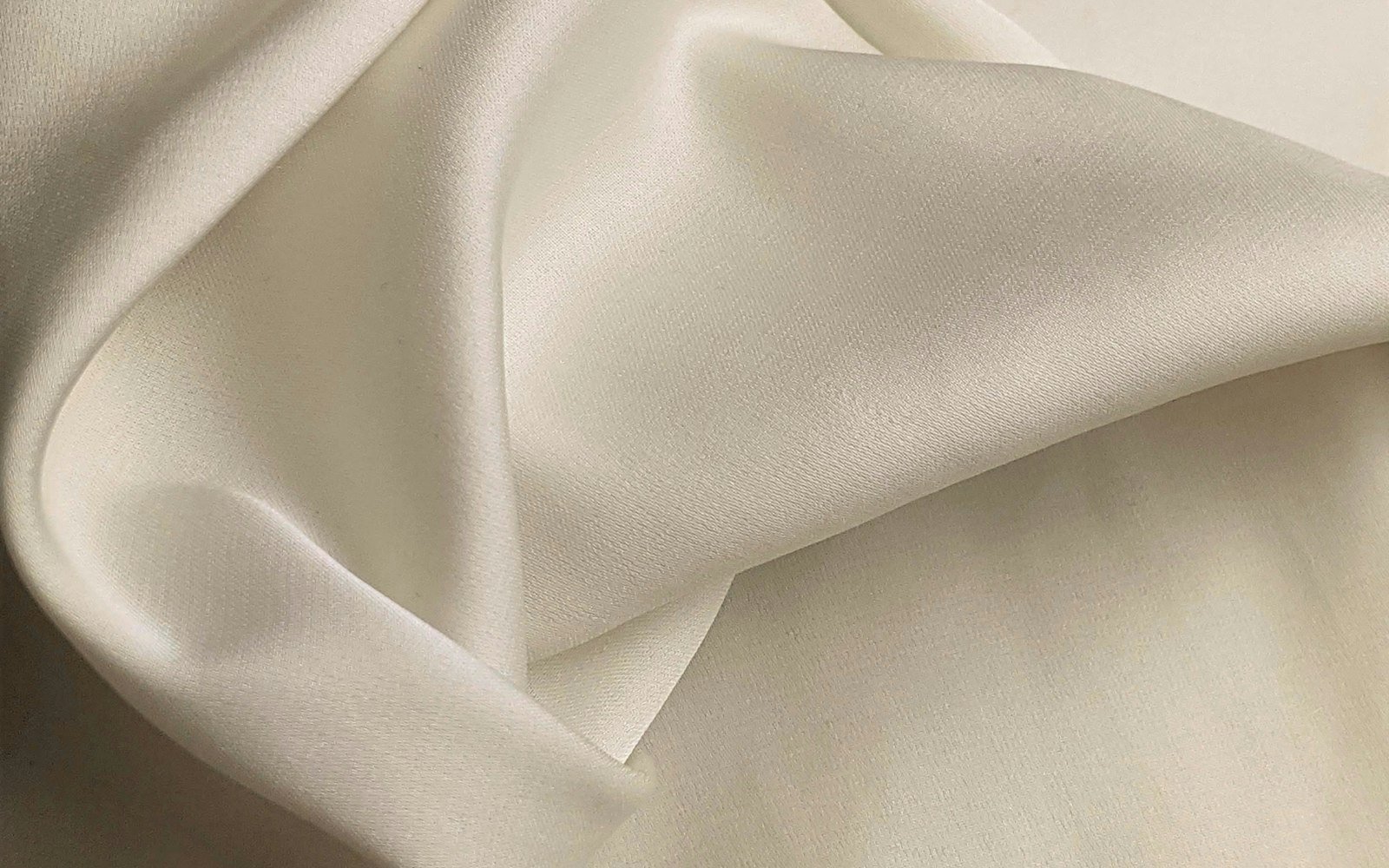
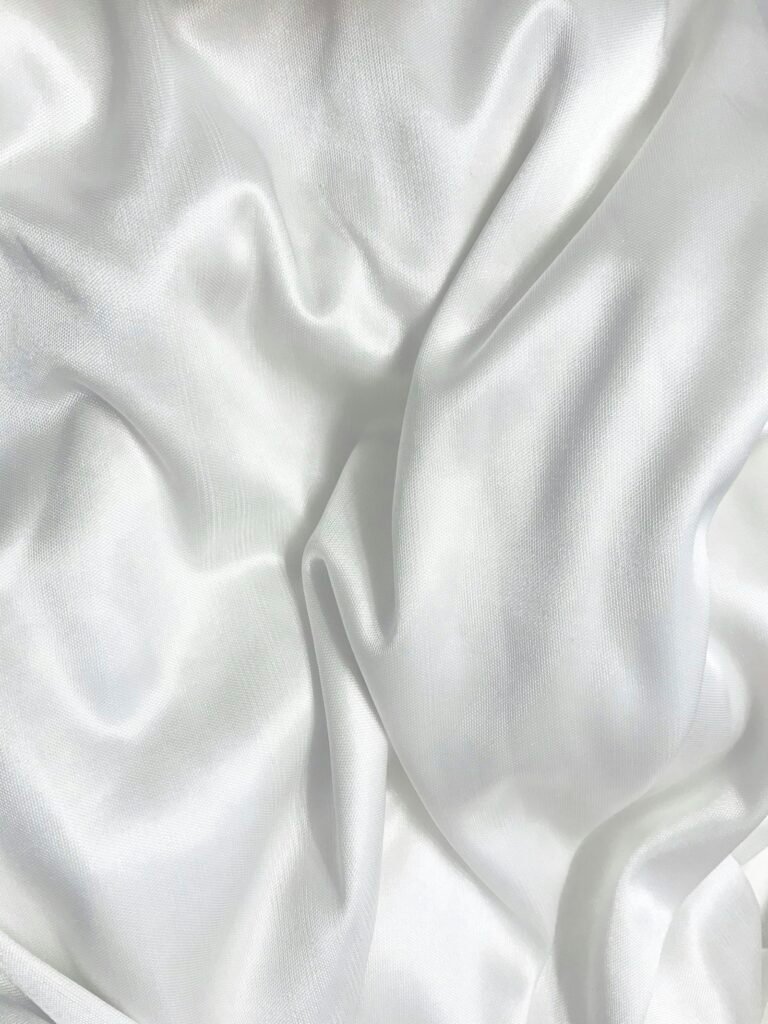
Few fabrics feel as luxurious as silk. It has a natural shine, a soft drape and a smooth feel against the skin. For a clothing brand, silk signals quality, but it also comes with a high price and careful handling.
In this guide, we explain the types of silk, how silk is measured and what to think about before you use it. It is part of our guide to fabrics for clothing brands.
What Silk Is
Silk is a natural protein fiber made by silkworms when they spin their cocoons. The long, smooth fibers give silk its shine and strength. Wikipedia has a detailed background on the history and production of silk.
Types of Silk
- Mulberry silk: the most common and smoothest type, from silkworms fed on mulberry leaves.
- Tussah or wild silk: more textured with a natural golden tone.
- Silk weaves: such as charmeuse, crepe de chine, chiffon and habotai, which each look and drape differently.
How Silk Is Measured
Silk weight is often given in momme. A higher momme means a heavier, more durable fabric. Light silks suit scarves and linings, while heavier silks suit shirts and dresses.
Pros and Cons of Silk
| Pros | Cons |
|---|---|
| Luxurious shine and drape | Expensive |
| Smooth and soft on the skin | Delicate and easy to snag |
| Strong for its weight | Often needs hand wash or dry cleaning |
| Comfortable in warm and cool weather | Water and sweat can leave marks |
Silk Alternatives
Many brands use alternatives for a similar look at a lower price. Polyester satin copies the shine, while viscose and its relatives give a soft drape. Our article on polyester explains the trade-offs.
What to Consider as a Brand
- Order swatches in different weights and weaves before you choose.
- Price your products for the luxury segment, as covered in our guide to a luxury clothing brand.
- Give clear washing advice on your care labels.
- Check the fiber content claims from your supplier.
Frequently Asked Questions about Silk
Silk is a natural protein fiber produced by silkworms when they spin their cocoons.
Mulberry silk comes from silkworms fed on mulberry leaves. It is the most common type and has a very smooth, even texture.
Momme is a unit of weight for silk. A higher momme means a heavier and usually more durable silk fabric.
It is more delicate than most fabrics. Many silk garments need hand washing or dry cleaning, so always follow the care label.
Polyester satin, viscose and other cellulose fibers can give a similar shine or drape at a lower price.
It can be for luxury or special pieces, but its high cost and delicate nature make it less suitable for everyday basics.