How to Find a Clothing Manufacturer for Your Brand
Finding a clothing manufacturer is one of the hardest steps in starting a brand. Many factories do not advertise, minimums vary widely and it is hard to judge quality from a website. Yet the right partner shapes everything, from your costs to the quality your customers feel.
In this guide, we explain what to prepare before you search, where to look and how to vet a factory. We also list the questions to ask in your first conversation. It is part of our guide to manufacturing for clothing brands.
Know What You Need Before You Search
Factories take you more seriously when you know exactly what you want. Before you reach out, decide on these points:
- Your production route: blanks, private label or cut and sew.
- The product type, such as jersey T-shirts, fleece hoodies or denim.
- Your target quantity per style and color, based on realistic MOQ ranges.
- Your target cost per piece and your launch date.
- A tech pack, or at least clear reference images and measurements.
Factories specialize. A factory that knits jersey is usually not the right place for jeans or tailored jackets. Matching your product to their specialty is the first filter.
Where to Find Clothing Manufacturers
Online Directories and Platforms
B2B platforms and directories let you filter by product, country and minimum order. They are a fast way to build a long list. Still, treat every listing as a starting point, not as proof of quality.
Trade Shows
Sourcing fairs bring hundreds of factories and fabric suppliers together. Events like Texworld Apparel Sourcing Paris let you see materials, compare quality and talk to suppliers face to face. One visit can save weeks of emails.
Referrals and Your Network
Other founders are one of the best sources. Many will share who they work with, especially when you are not direct competitors. Online communities and fabric suppliers can also point you to factories they trust.
The Gallery
Manufacturers can also list themselves for free in The Gallery on GYCB. You can browse the clothing manufacturers by country and use them as a starting point for your own research.
Local and Nearshore Options
Producing closer to your customers often means smaller minimums, faster lead times and easier visits. It can cost more per piece, but it also lowers your risk. Our article on local and nearshore production compares the trade-offs.
How to Vet a Clothing Manufacturer
Once you have a shortlist, check each factory before you send any money:
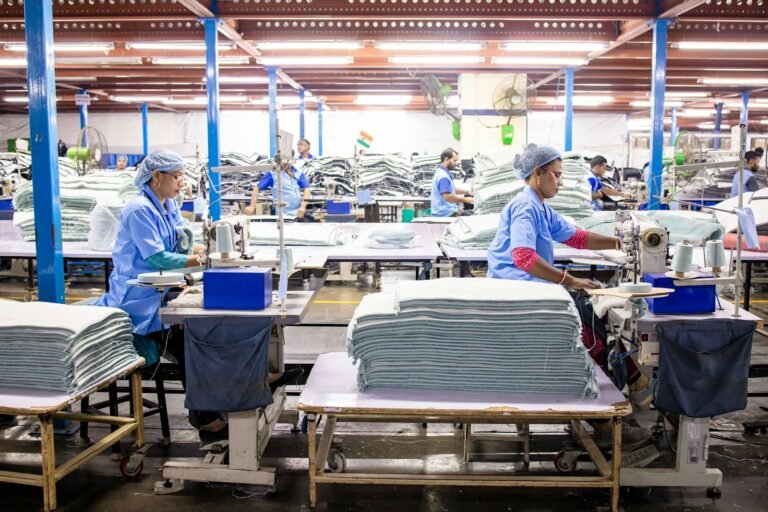
- Ask for photos or a video of their production floor and finished products.
- Request references from other small brands they work with.
- Check how long the company has existed, and whether it is a factory or a trading agent.
- Ask which certifications or audits they have, such as social compliance audits.
- Order a paid sample before you commit to a bulk order.
Also pay attention to how they communicate. Fast, clear and honest answers in the first weeks usually say a lot about how production will go. Our article on ethical manufacturing lists the red flags to watch for. If you deal with a middleman, our guide to sourcing agents vs factories explains what to look out for.
Questions to Ask in Your First Conversation
These questions help you compare factories on the points that matter most:
- What is your MOQ per style and per color, and can sizes be split?
- What do samples cost, and how many rounds are included?
- What is your lead time for samples and for bulk production?
- What are your payment terms?
- How do you handle quality control, and do you accept third-party inspections?
- Who owns the patterns and tech pack after development?
Get the answers in writing. That makes it much easier to compare factories fairly. For a longer checklist, use our list of questions to ask a clothing manufacturer.
Start Small and Build the Relationship
Your first order is a test for both sides. Start with one or two styles, approve a proper pre-production sample and check the order with good quality control. A factory that handles a small order well is often a partner you can grow with.
Keep your shortlist, even after you have chosen. A second option protects you when lead times grow or a factory changes its minimums.
Frequently Asked Questions about Finding a Clothing Manufacturer
Start by defining your product, production route, quantities and budget. Then build a shortlist through online directories, trade shows, referrals from other founders and listings such as The Gallery on GYCB.
Ask for photos of their production, references from other brands, certifications or audits, and order a paid sample before committing to bulk production.
Local and nearshore factories often offer smaller minimums, faster lead times and easier visits, but at a higher price per piece. Overseas factories are often cheaper but need more planning and checks.
Ask about the MOQ per style and color, sample costs, lead times, payment terms, quality control and who owns the patterns after development.
It helps a lot. A tech pack shows you know what you want and leads to more accurate quotes. At a minimum, bring clear reference images and measurements.
A factory produces the garments itself. A trading agent works between you and one or more factories. Agents can help with sourcing, but they add a margin and some distance from production.