Lookbooks for Clothing Brands
A lookbook costs €500-5000 to produce. Most brands skip it because it feels expensive.
But Stüssy releases lookbooks for every collection. People study them. Save them. Reference them years later.
High-end fashion brands send printed lookbooks to buyers, press, and VIP customers. They become collectibles. Archives. Cultural documents.
Streetwear brands release digital lookbooks that get shared thousands of times on Instagram, TikTok, forums.
Lookbooks are visual storytelling tools that showcase your collection, communicate your brand identity, and create desire.
This guide breaks down what lookbooks are, why they matter, how to create them, and how to make them work for your clothing brand.
What a Lookbook Actually Is
A lookbook is a curated visual presentation of your collection. It shows your products styled, photographed, and presented in a way that communicates your brand story and aesthetic.
Lookbooks include:
- Styled product photography
- Models wearing your collection
- Locations and settings that match your lifestyle branding
- Minimal or no text (the visuals tell the story)
- Cohesive aesthetic that reinforces your brand identity
Lookbooks are NOT:
- Product catalogs (those focus on individual items with descriptions and prices)
- E-commerce photos (clean, white background product shots)
- Random styled photos (lookbooks are curated and intentional)
Lookbooks tell a visual story. They create emotion. They make people want to be part of your world.
Why Lookbooks Matter
Lookbooks do what product photos can’t. They show lifestyle, context, emotion.
What lookbooks achieve:
Build desire. People don’t just see the product. They see the lifestyle. The world. The identity.
Communicate your aesthetic. Your lookbook shows your imagery style, colors, vibe, and tone visually.
Show styling. How to wear your pieces. What to pair them with. How they fit into a wardrobe.
Create content. Lookbook images become social media content, website banners, campaign materials.
Impress buyers and press. Wholesale buyers and media use lookbooks to understand your brand and collection.
Build collectibility. Printed lookbooks become keepsakes. Digital lookbooks get archived and referenced.
Cost: €500-5000+ (depending on scope). Impact: Defines your brand aesthetic, creates desire, generates content for months.
Digital vs. Print Lookbooks
Digital lookbooks:
- Cost: €0 (after production)
- Format: PDF, webpage, Instagram carousel, video
- Distribution: Email, website, social media, press
- Best for: Most brands, especially starting out
Pros: Free distribution, easy sharing, interactive elements (video, links), wide reach.
Cons: Less tangible, easier to ignore, less collectible.
Print lookbooks:
- Cost: €1-5 per booklet (printing)
- Format: Printed magazine, booklet, or catalog
- Distribution: Mailed to VIPs, buyers, press, included with premium orders
- Best for: Luxury brands, wholesale-focused brands
Pros: Tangible, premium feel, collectible, makes strong impression.
Cons: Expensive to produce and distribute.
Best approach: Create digital first. Print only for VIP customers, press, or wholesale buyers.
How to Create a Lookbook
Step 1: Plan your concept.
What story are you telling? What world are you building? Your lookbook should match your lifestyle branding.
Streetwear brand: Urban environments, city streets, raw energy.
Sustainable brand: Natural settings, outdoor landscapes, environmental connection.
Luxury brand: Minimal studios, elegant settings, refined aesthetics.
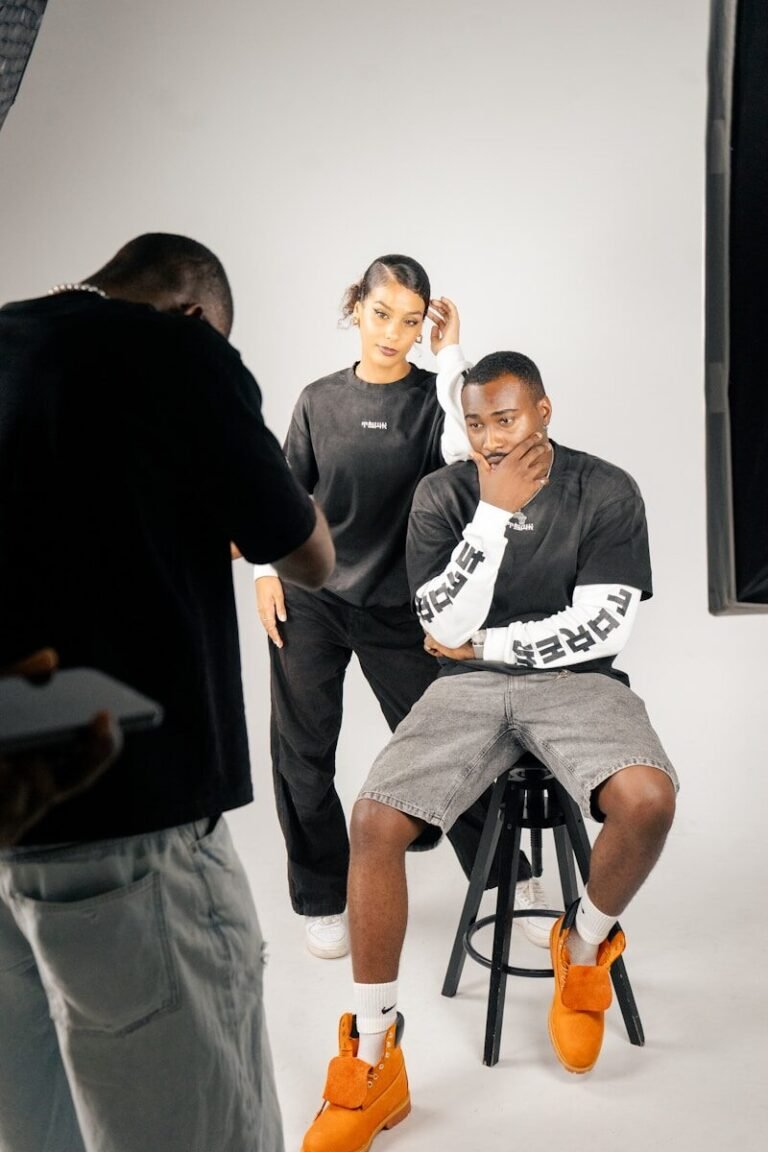
Step 2: Organize your shoot.
- Book models (or style your team/friends)
- Choose locations that match your brand world
- Plan outfits and styling
- Hire a photographer (or shoot yourself if you have skills)
- Set a date and create a shot list
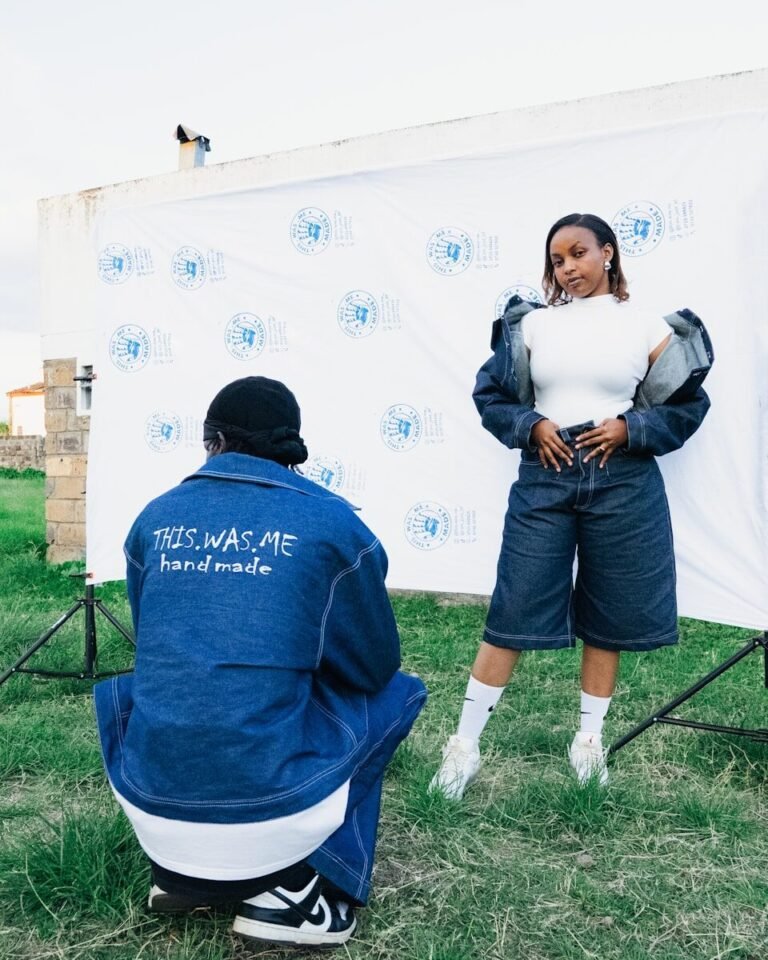
Step 3: Shoot your lookbook.
- Capture full outfits and detail shots
- Shoot in natural light when possible (more authentic)
- Get variety: close-ups, full body, lifestyle moments
- Stay true to your imagery style
Step 4: Edit and design.
- Select the strongest images
- Edit for consistent color grading and mood
- Design the layout (print or digital)
- Keep it minimal (let the images speak)
- Add your logo and minimal text
Step 5: Distribute.
- Upload to your website
- Share on social media
- Email to your list
- Send to press and buyers
- Print for VIPs (if budget allows)
Design Tips for Lookbooks
Your lookbook should be visually cohesive and aligned with your brand identity.
Keep it minimal. Let the images do the talking. Don’t clutter with text.
Use consistent editing. All photos should have the same color grading, mood, and style.
Match your brand colors. Your lookbook should feel like your brand. Same colors, same vibe.
Use your typography. If you include text (collection name, season), use your typography.
Show variety. Full outfits, close-ups, lifestyle moments. Give people a complete view.
Make it Instagram-friendly. Square or vertical formats work best for social sharing.
Test on different devices. Make sure your digital lookbook looks good on phones, tablets, desktops.
How Lookbooks Match Different Brand Types
Luxury brands: Minimal studios, elegant models, refined aesthetics, printed booklets. Think Hermès, Chanel, The Row.
Streetwear brands: Urban settings, raw energy, authentic moments, bold graphics. Think Stüssy, Palace, Supreme.
Sustainable brands: Natural environments, outdoor settings, earth tones, honest imagery. Think Patagonia, Everlane.
Sports/athletic brands: Action shots, performance settings, energy and movement. Think Nike, Gymshark.
Minimalist brands: Clean studios, neutral tones, simple compositions. Think COS, UNIQLO, Everlane.
Vintage brands: Nostalgic settings, film photography, retro aesthetics. Think vintage Americana, heritage brands.
Artistic brands: Creative settings, experimental photography, unique compositions. Think avant-garde designers, creative collectives.
Lookbook Content Strategy
Don’t just create a lookbook and forget about it. Use it strategically.
Social media content. Break your lookbook into individual posts, carousels, stories. Months of content from one shoot.
Website banners. Use lookbook images as homepage banners, collection pages, campaign visuals.
Email campaigns. Send lookbook images to announce new collections or seasonal drops.
Press and media. Send lookbooks to fashion media, bloggers, influencers for coverage.
Wholesale pitches. Show buyers your collection in context. Lookbooks help them visualize your brand.
Paid ads. Use lookbook images for Instagram ads, Facebook ads, Google ads.
One lookbook shoot = 3-6 months of visual content.
Making Lookbooks Collectible
Some brands turn lookbooks into collectibles.
How to make lookbooks collectible:
Print limited editions. Number each copy (1/500, 2/500, etc.). Scarcity creates value.
Premium materials. High-quality paper, special printing, unique binding.
Include with premium orders. “Spend €200+ and get our limited edition lookbook.”
Seasonal releases. New lookbook each season. People collect the full archive.
Artist collaborations. Partner with photographers or artists for special editions.
Signature aesthetic. Build a recognizable lookbook style that people want to collect.
Stüssy lookbooks are referenced and collected by fans. Vintage Supreme lookbooks sell for hundreds of dollars.
Budget-Friendly Lookbook Options
You don’t need €5000 to create a lookbook.
DIY options:
Shoot yourself. If you have photography skills, shoot it yourself. Use friends as models.
Use natural light. No need for expensive studio rentals. Shoot outdoors or near windows.
Simple locations. City streets, parks, your studio. You don’t need exotic locations.
Minimal editing. Use free tools like Lightroom mobile, VSCO, or Snapseed.
Digital only. Skip printing. Distribute via PDF, Instagram, your website.
Collaborate. Partner with photographers or students who need portfolio work. Trade services.
You can create a strong lookbook for €200-500 if you’re resourceful.
Common Mistakes to Avoid
Inconsistent aesthetic. Photos shot in different styles, different color grading. Keep it cohesive.
Too much text. Lookbooks are visual. Let the images tell the story.
Poor quality images. Blurry, poorly lit, badly composed. Invest in decent photography.
Not matching your brand. Your lookbook should look like it belongs to your brand. Same vibe, same aesthetic.
Overcomplicated layouts. Too many graphics, too busy. Keep it clean and minimal.
Ignoring distribution. Creating a lookbook but not sharing it. Use it for content, press, wholesale, social media.
What to Do Next
Plan your lookbook concept. What story are you telling? What world are you showing?
Organize a photoshoot. Book models, choose locations, plan styling.
Shoot your collection in context. Capture lifestyle, styling, emotion. Stay true to your imagery style.
Edit and design your lookbook. Keep it minimal, cohesive, and aligned with your brand identity.
Distribute strategically. Website, social media, email, press, wholesale buyers.
Repurpose the content. Use lookbook images for months of social media posts, ads, website banners.
Consider printing for VIPs, buyers, or premium customers if budget allows.
Your lookbook is an investment. But it defines your aesthetic, creates desire, and generates content for months. It’s one of the most valuable brand assets you can create.
Make it count.