
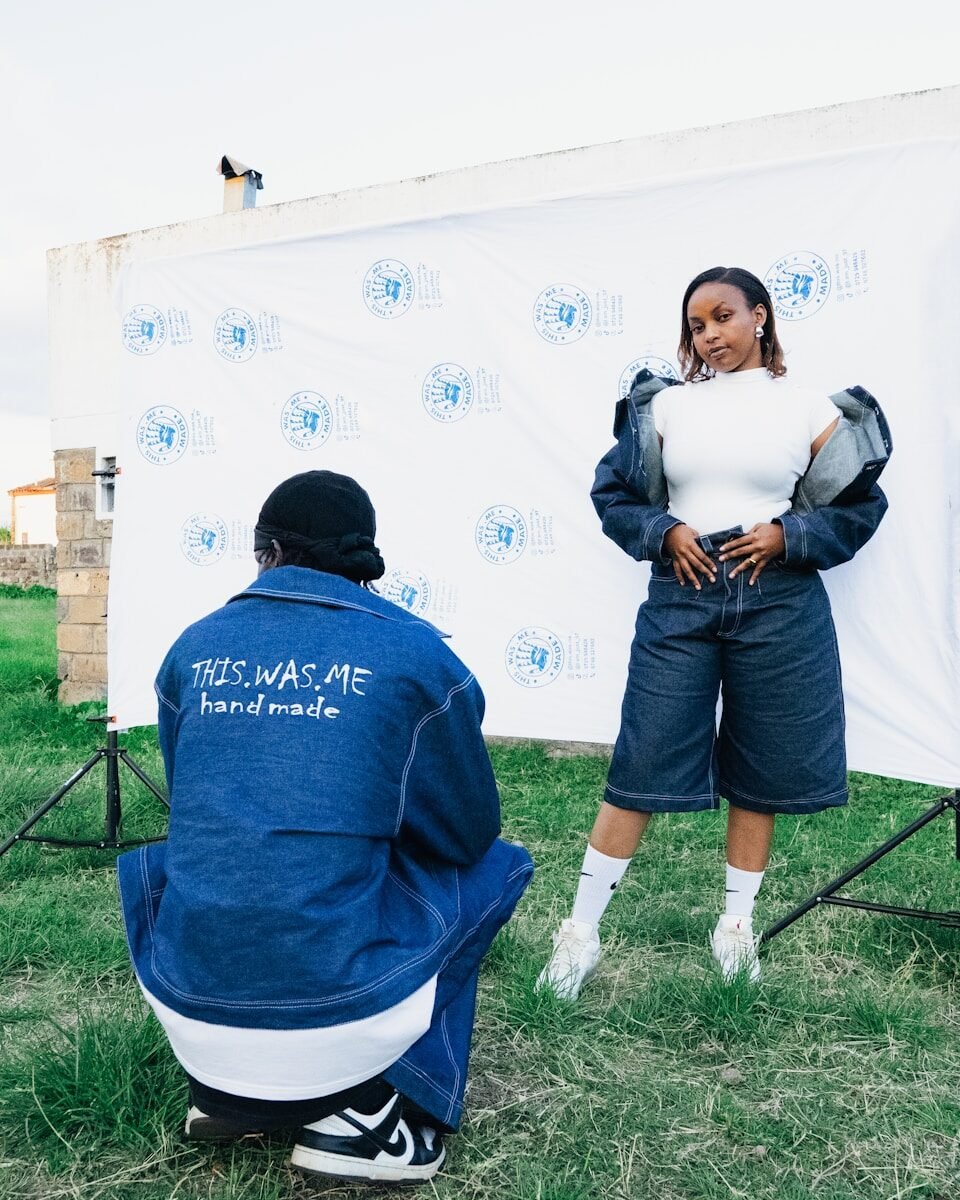
How to Use Imagery to Strengthen Your Clothing Brand
Supreme shoots on city streets with natural light. Patagonia shoots in mountains and forests. Fear of God shoots in muted tones with minimal backgrounds.
You know the brand before you see the logo. That’s the power of consistent imagery.
Your imagery isn’t just photos of your products. It’s how people understand your brand identity at a glance. The photos you post, the videos you share, and the graphics you create all tell a story about who you are and what you stand for.
Get it right, and your brand feels cohesive, intentional, and memorable. Get it wrong, and you look like every other brand posting random content.
Your Visual Style Should Be Instantly Recognizable
Gymshark uses bright lighting, gym settings, and high-energy movement shots. Stussy uses grainy film photography and street culture references. Ralph Lauren uses preppy outdoor settings and classic Americana aesthetics.
These brands don’t post random photos. Every image fits a clear visual system, and that consistency is what makes them recognizable.
Your imagery should stay consistent across every platform: your Instagram, your TikTok, your website, and your packaging. The colors, the lighting, and the composition should all feel like they come from the same brand.
If one day you’re posting clean minimalist photos and the next day you’re posting saturated neon graphics, you confuse people. Pick a style and stick with it.
Match Your Imagery to Your Brand Personality
Your brand personality should dictate your visual style. Here’s how that plays out across four common positioning types.
Streetwear Brands
Streetwear brands use urban backdrops, bold colors, gritty textures, and raw, unpolished energy. Think Supreme, Corteiz, and Off-White.
Luxury Brands
Luxury brands use clean backgrounds, soft lighting, minimal styling, and elegant compositions. Think Chanel, Hermes, and Louis Vuitton.
Outdoor Brands
Outdoor brands use natural landscapes, adventure shots, and earthy tones. Think Patagonia, The North Face, and Arc’teryx.
Minimalist Brands
Minimalist brands use lots of white space, simple compositions, and neutral colors. Think COS, Uniqlo, and Everlane.
Your imagery should reinforce your brand story, not contradict it. If you’re selling sustainable clothing, shoot in natural settings with organic textures. If you’re selling techwear, shoot in urban environments with functional styling.
Product Photos vs. Lifestyle Photos
You need both, but they serve different purposes.
Product Photos
Product photos show what you’re selling. Clean backgrounds, good lighting, and clear details belong on your website, your product pages, and your ads. People need to see the fit, the fabric, and the construction before they buy.
Lifestyle Photos
Lifestyle photos show how your products fit into real life. People wearing your clothes in natural settings build emotional connection and help shoppers imagine themselves in your brand.
Nike uses lifestyle imagery to sell motivation and performance, not just shoes. Patagonia uses adventure shots to sell a lifestyle, not just jackets. Product photos convert, and lifestyle photos build brand, so both types of imagery matter.
Create a Visual System
A visual system is a set of rules for how your imagery looks. It keeps your brand consistent even when you’re working with different photographers, different models, and different locations. Your visual system should define the four elements below.
Color Palette
What colors appear in your photos? Muted earth tones, bold saturated colors, or black and white each send a different signal about your brand.
Lighting
Decide whether your imagery should feel bright and clean, moody and dramatic, or shot only in natural light. This choice alone changes how a brand reads before anyone notices the product.
Composition
Centered and symmetrical shots feel calm and deliberate. Off-center and dynamic shots feel energetic. Decide which fits your brand before your next shoot, not during it.
Editing Style
Define what filters or color grades you use. High contrast, soft and faded, or no editing at all are all valid choices, as long as you apply the same one every time.
Once you define these rules, apply them to every photoshoot, every social media post, and every piece of content you create.
Imagery Tells Stories Words Can’t
Photos evoke emotion faster than text. A single image can communicate energy, aspiration, rebellion, comfort, luxury, or adventure, all without a caption.
Gymshark uses sweaty gym shots and transformation content to inspire motivation. Patagonia uses wilderness imagery to evoke environmental responsibility. Supreme uses street culture imagery to signal exclusivity and hype.
What emotion do you want people to feel when they see your brand? Decide that first, then create imagery that reinforces it.
Common Imagery Mistakes
Inconsistent Style
Posting different visual styles every week makes your brand look confused. Pick a lane and stay in it.
Low-Quality Photos
Blurry, poorly lit, badly composed photos make your brand look amateur. Invest in decent photography or learn how to shoot properly with your phone.
Not Matching Your Brand
A luxury brand posting messy, chaotic imagery feels off. A streetwear brand posting sterile studio shots feels fake. Your imagery should support your brand identity, not fight it.
Copying Competitors
Don’t just copy what other brands are doing. Find your own visual style. If every streetwear brand is shooting on the same city rooftop, go somewhere different.
Ignoring Your Audience
If your audience is Gen Z, polished corporate imagery won’t resonate. If your audience is professionals in their 30s, chaotic TikTok content might feel out of place. Shoot for the people you’re trying to reach.
What To Do Next
Define your visual style. Look at brands you admire and identify what makes their imagery work, then build your own system based on your brand identity.
Plan your next photoshoot. Think about location, lighting, models, and styling, and make sure everything aligns with your visual system.
Then apply that style consistently across every Instagram post, every TikTok video, every product photo, and every piece of user-generated content you share.
Your imagery doesn’t build your brand by itself. But it’s one of the fastest ways people understand who you are and what you represent. Make it count.
Frequently Asked Questions About Clothing Brand Imagery
Product photos show the item clearly on a clean background so customers can judge fit, fabric, and construction. Lifestyle photos show the item being worn in a real setting to build emotional connection and help people imagine themselves in the brand.
Define a visual system before you shoot: a fixed color palette, lighting style, composition approach, and editing style. Apply those same rules to every photoshoot, social post, and piece of content so the brand feels consistent even across different photographers or locations.
No. Imagery should match your own brand personality and audience, not copy what competitors are doing. Shooting in the same style as everyone else in your category makes it harder for customers to tell brands apart.
Photo quality matters more than budget. Blurry or poorly lit images make a brand look amateur regardless of how good the product is. A well-shot phone photo in good lighting often outperforms a rushed professional shoot with no clear visual direction.
Yes. A clear visual system, meaning a consistent color palette, lighting style, and composition, matters more than budget. Many brands start with a smartphone and natural light and only invest in professional photography once the visual style is already defined.