How to Choose the Right Typography for Your Clothing Brand
Supreme uses Futura Bold. Off-White uses Helvetica with quotation marks. Fear of God uses custom Gothic lettering.
You see the font before you read the words. And that font tells you what kind of brand you’re looking at.
Your typography isn’t just aesthetic. It’s part of your brand identity. It shows up on your website, your logo, your packaging, your hangtags, and your product designs. If it’s inconsistent or random, your brand feels unprofessional.
Fonts Communicate Before Words Do
People judge your brand based on how text looks, not just what it says.
Comic Sans screams amateur. Futura feels modern and bold. A serif font like Garamond feels classic and premium. A script font feels handmade or vintage.
Nike uses Futura for bold, athletic energy. Chanel uses a refined serif for timeless luxury. Stüssy uses a custom script signature for authenticity and heritage.
Your font choice should match your brand personality. If you’re building a luxury brand, don’t use a playful rounded font. If you’re making streetwear, don’t use delicate serifs.
How to Pick Your Fonts
Keep it simple. Most brands use one or two fonts max. One for headlines and branding, one for body text. More than that and your brand looks chaotic.
Patagonia uses two fonts total. Gymshark uses one custom sans-serif across everything. Simple works.
Make sure it’s readable. Your font needs to work at every size. On a website header, on a hangtag, on a mobile screen, embroidered on a hat. If it breaks down at small sizes, pick a different one.
Match your vibe. Sans-serif fonts (no decorative lines) feel modern, clean, bold. Serif fonts (with decorative lines) feel classic, premium, traditional. Script fonts feel handmade or vintage. Display fonts feel expressive and unique but can look dated fast.
Test it everywhere. Put your font on mockups. See how it looks on your website, on packaging, on product tags, on social media graphics. If it doesn’t work in all these places, adjust.
Website Typography vs. Product Typography
Your website needs readable fonts. People need to skim paragraphs, read product descriptions, navigate menus. Clean sans-serifs usually work best because they’re easy to read on screens.
Your product designs need impact. Typography on clothing is more like a graphic. It needs to be bold, clear, and recognizable from across the room.
You can use the same font family for both, but you don’t have to. Supreme uses Futura everywhere. Other brands use one font for branding and different fonts for specific collections.
Typography for Different Brand Types
Luxury brands use refined serif fonts or minimal sans-serifs with lots of spacing. Think Hermès, Chanel, Ralph Lauren. The fonts feel timeless, elegant, understated.
Streetwear brands use bold sans-serifs, geometric fonts, or custom display type. Supreme, Off-White, Corteiz. The fonts have attitude and presence.
Minimalist brands use clean, neutral sans-serifs with generous spacing. COS, UNIQLO, Everlane. The fonts feel calm, modern, functional.
Outdoor and workwear brands use sturdy, dependable sans-serifs. Patagonia, Carhartt, The North Face. The fonts feel durable and practical.
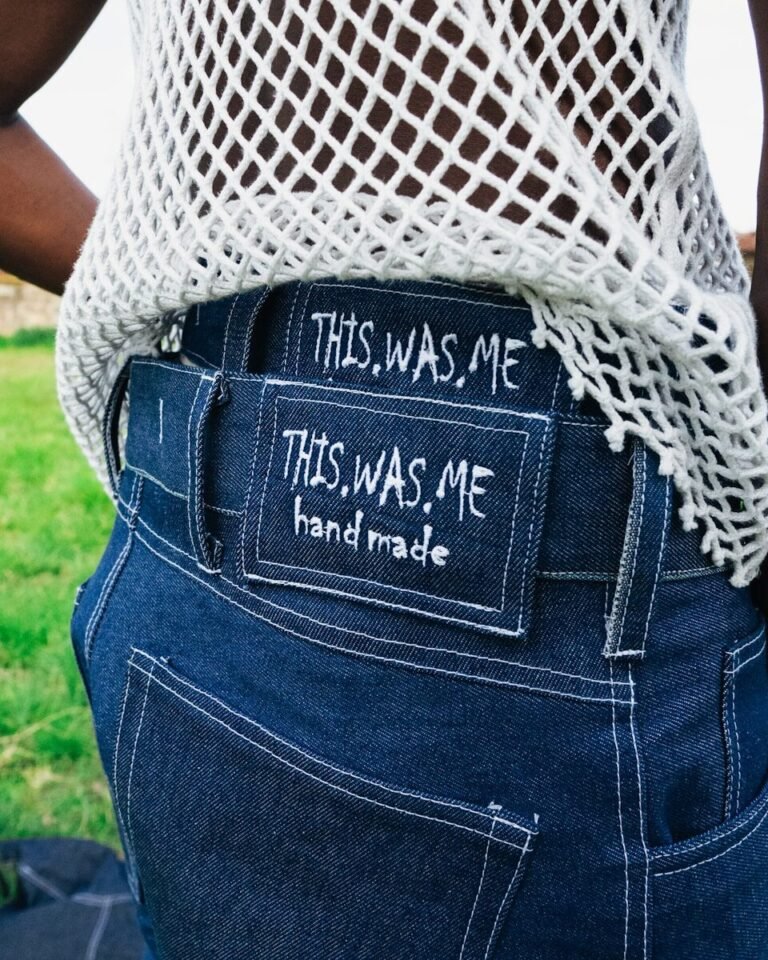
Artistic or experimental brands can use expressive fonts, hand-lettering, or custom type. The challenge is keeping it consistent. Random fonts every collection makes your brand look unfocused.
Playful or youthful brands use rounded sans-serifs or friendly fonts. They feel warm, approachable, energetic. Works for lifestyle brands targeting younger audiences.
Use Your Typography Consistently
Once you pick your fonts, use them everywhere. Your website, your Instagram graphics, your TikTok videos, your email campaigns, your product tags, your thank you cards.
Consistency builds recognition. People should see your typography and immediately think of your brand.
Nike has used the same type treatment for decades. Adidas has a consistent typographic system across all touchpoints. That’s why their branding feels strong.
Common Typography Mistakes
Using too many fonts. Stick to one or two. More than that feels messy.
Picking trendy fonts. That retro 80s font might look cool now, but it’ll feel dated in two years. Choose fonts with longevity.
Ignoring readability. If people can’t read your text, the font doesn’t work. Test it at small sizes before committing.
Not matching your brand. A luxury brand using a comic-style font feels off. A streetwear brand using elegant script feels fake. Your typography should support your brand story, not fight it.
Forgetting about production. Fonts with super thin lines or intricate details don’t always translate well when embroidered or screen printed. Test your fonts on actual products before you commit to a full collection.
What To Do Next
Pick one or two fonts that match your brand identity. Test them on mockups of your website, packaging, and products. Make sure they’re readable at all sizes and work across all platforms.
Then commit. Use them consistently across everything you create. Your brand assets, your social media content, your product designs.
Typography doesn’t build your brand by itself. But it makes everything else feel more cohesive, intentional, and professional.