12 Nigerian Clothing Brands Worth Knowing (2026)
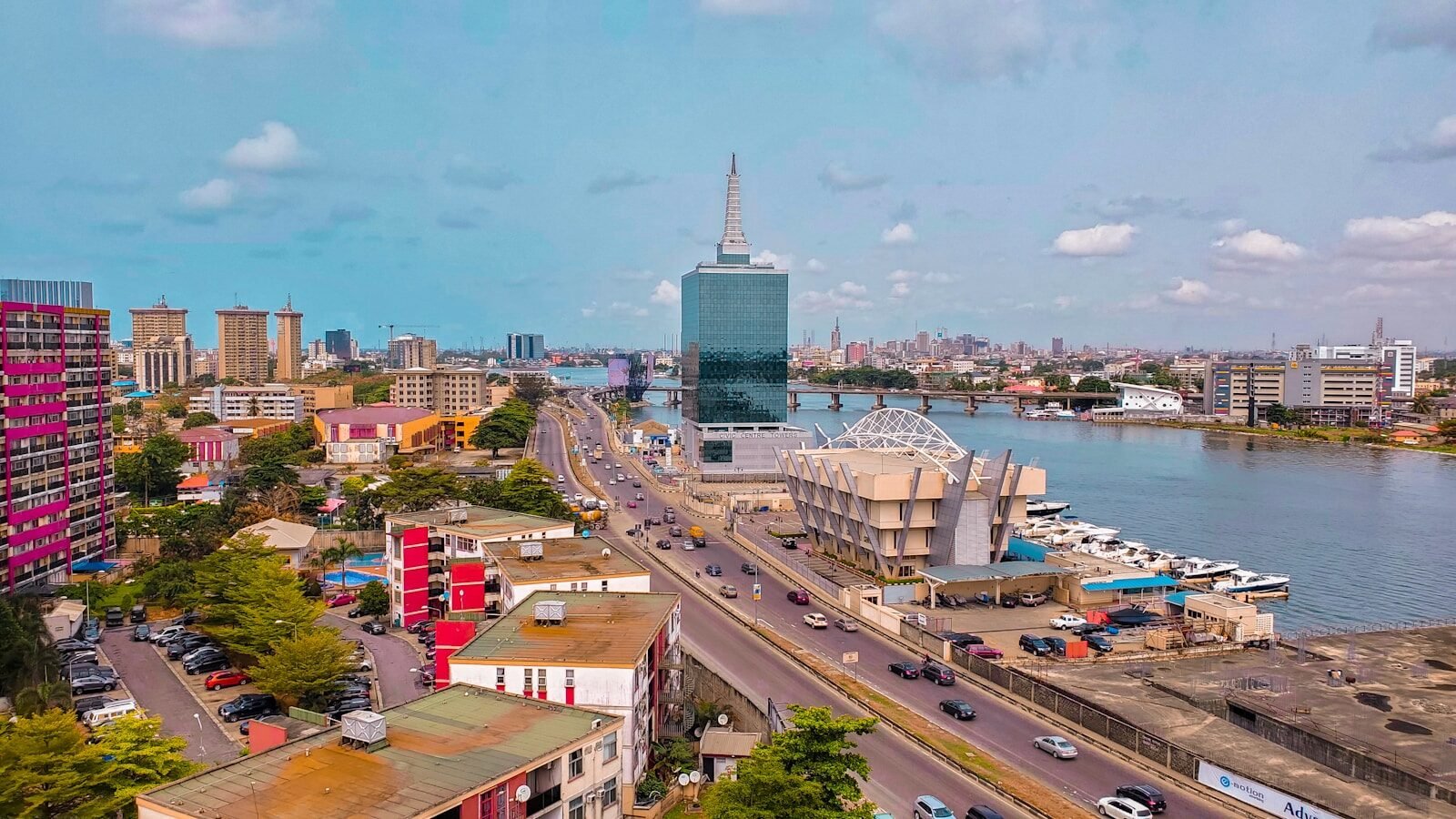
Nigeria’s fashion story gets flattened into a single mood board too often: loud prints, louder nightlife, celebrity styling. That shortcut misses what actually makes the scene serious. Lagos is a retail pressure cooker where taste moves fast and infrastructure moves slow. Brands there learn to build desire while navigating import costs and supply friction, for a customer base that is status literate but trend allergic.
The clearest proof is the ecosystem built around Lagos Fashion Week, founded in 2011 by Omoyemi Akerele. It has grown into more than a runway moment, and it won a 2025 Earthshot Prize in the Build a Waste-Free World category. Compared with Ghana or South Africa, Nigeria’s gap is rarely creativity. It is repeatable production and distribution, and the strongest labels design around that reality instead of ignoring it.
12 Nigerian Clothing Brands Overview
Here’s a quick overview of the twelve Nigerian brands featured in this guide, spanning conceptual menswear, couture occasionwear and Lagos streetwear.
- Orange Culture – Lagos-founded label using sculptural silhouettes and gender-fluid design to challenge conventional Nigerian masculinity.
- Maki Oh – Textile-driven womenswear brand blending traditional Nigerian craft techniques with structured, contemporary silhouettes.
- Kenneth Ize – Vienna-trained designer reviving traditional Aso-Oke weaving through colorful, tailored ready-to-wear.
- Lagos Space Programme – Genderless luxury label exploring African futures through Yoruba textile traditions and conceptual tailoring.
- Tiffany Amber – Pioneering Nigerian ready-to-wear house known for polished, occasion-ready glamour since 1998.
- Lanre DaSilva Ajayi – Couture house built on dramatic eveningwear, lace and vintage-inspired Lagos glamour.
- Emmy Kasbit – Heritage-driven label pairing Nigerian textile storytelling with sharp modern tailoring.
- WafflesnCream – Nigeria’s first skate brand, turning Lagos youth and skate culture into a recognizable streetwear uniform.
- Andrea Iyamah – Lagos and Toronto swimwear label known for sculptural cuts and bold, editorial resortwear.
- NKWO – Sustainable label turning post-consumer textile waste into upcycled, artisanal collections.
- IAMISIGO – Wearable-art label rooted in ancestral African craft techniques and sculptural, ritual-inspired silhouettes.
- ATAFO – Precision tailoring house specializing in menswear, bridal and red-carpet-ready occasionwear.
Nigerian Clothing Brands
Orange Culture
Location: Lagos, Nigeria
Founded: 2011
Price level: high
Product type: menswear, ready-to-wear
Style: narrative design, sculptural silhouettes
Website: orangeculture.com.ng
Instagram: @orangecultureng
Adebayo Oke-Lawal founded Orange Culture in 2011. He treats clothing as a tool for identity and emotion, not a postcard version of Nigerian style, and his silhouettes feel controlled but never polite. The label became a 2014 LVMH Prize semi-finalist, an early signal that a sharp point of view from Lagos could travel internationally.
What keeps the brand relevant is consistency. It behaves like a company built for repeat customers and long-term collections, not one viral moment. That mix of storytelling and discipline made Orange Culture a clear reference point for gender-fluid design out of West Africa.
Maki Oh
Location: Lagos, Nigeria
Founded: 2010
Price level: high
Product type: womenswear, ready-to-wear
Style: textile-driven craft, sculpted forms
Website: makioh.com
Instagram: @maki.oh
Designer Amaka Osakwe launched Maki Oh in 2010. She built the brand around the hand-dyed Adire process and traditional West African motifs, treating them as the foundation rather than decoration. The label built genuine celebrity reach, with pieces worn by Michelle Obama, Solange Knowles and Lupita Nyong’o.
Maki Oh also became an LVMH Prize semi-finalist the same year as Orange Culture. The clothes read soft and even romantic on the surface, but real structure sits underneath. That balance between technique and restraint helped it earn sustained international attention.
Kenneth Ize
Location: Lagos, Nigeria
Founded: 2013
Price level: luxury
Product type: ready-to-wear
Style: textile-forward luxury, bold color
Website: kennethize.net
Instagram: @kennethize
Kenneth Ize launched his namesake label at Lagos Fashion Week in 2013, after graduating from the University of Applied Arts Vienna. He later relaunched it with a sharper focus on Aso-Oke, a traditional Yoruba woven textile. He works from a studio in Sabo Yaba, collaborating directly with local weavers.
That approach earned him a spot as an LVMH Prize finalist in 2019, plus stockists including Ssense and Browns. The work reads confident rather than nostalgic. Fabric and repetition carry the design, instead of logos or obvious status signaling.
Lagos Space Programme
Location: Lagos, Nigeria
Founded: 2018
Price level: luxury
Product type: genderless ready-to-wear
Style: conceptual minimalism, cultural research
Website: lagosspaceprogramme.com
Instagram: @lagosspaceprogramme
Non-binary designer Adeju Thompson founded Lagos Space Programme in 2018, after building capsule collections while working with Maki Oh. Thompson describes the label as a movement rather than a brand. The clothes are built as arguments about identity and power, rooted in Yoruba tradition and adire dyeing.
That work gets pushed through a genderless, futurist lens Thompson calls “post adire.” The approach won the 2023 International Woolmark Prize and an LVMH Prize semi-finalist nod in 2021. It refuses the loud pattern shorthand often expected of African fashion, pushing meaning through cut instead.
Tiffany Amber
Location: Lagos, Nigeria
Founded: 1998
Price level: high
Product type: womenswear, ready-to-wear
Style: polished glamour, occasion dressing
Website: tiffanyamber.africa
Instagram: @tiffanyamberng
Founder Folake Coker built Tiffany Amber into a pillar brand rather than a trend cycle. She helped define modern Nigerian ready-to-wear at a time when local buyers still saw it as a compromise. The brand became the first African label to show at New York Fashion Week in consecutive years.
That milestone opened doors for the labels that followed. The aesthetic stays confident and grown, with clean lines and rich fabric choices that work at a wedding, a work event, or a front row. That sense of longevity as a design choice keeps Tiffany Amber relevant more than two decades in.
Lanre DaSilva Ajayi
Location: Lagos, Nigeria
Founded: 2005
Price level: high
Product type: couture, ready-to-wear
Style: dramatic elegance, lace and metallics
Website: lanredasilvaajayi.com.ng
Instagram: @lanredasilvaajayi
Lanre DaSilva Ajayi operates with the confidence of a fashion house. The pieces aim for impact but stay crafted rather than noisy: controlled drama, shine, texture, and silhouettes built to be watched. The signature is a throwback glamour filtered through Lagos taste rather than costume.
The label occupies a lane in Nigerian fashion that often gets underplayed in global summaries. It offers high-finish occasionwear with couture instincts, rather than streetwear or minimalism. That discipline has kept it a fixture of Nigerian bridal and red-carpet dressing for two decades.
Emmy Kasbit
Location: Lagos, Nigeria
Founded: 2014
Price level: high
Product type: womenswear and menswear, ready-to-wear
Style: heritage textiles, modern tailoring
Website: emmykasbit.com
Instagram: @emmykasbit
Emmy Kasbit sits where craft is not a gimmick and heritage is not costume. The brand builds modern silhouettes with clear respect for Nigerian textile traditions, while keeping the finish sharp and contemporary. Texture, weaving and detail work do the talking inside a clean structure.
That structure reads strong in both a lookbook and in motion. The brand functions as a complete identity rather than a single good idea, balancing mood, consistency and everyday wearability. That combination built a following among people who want meaning without sacrificing ease.
WafflesnCream
Location: Lagos, Nigeria
Founded: 2012
Price level: accessible
Product type: streetwear, skate lifestyle
Style: skate-rooted graphics, community-led drops
Website: wafflesncream.com
Instagram: @wflsncrm
Jomi Marcus-Bello founded WafflesnCream in 2012 as Nigeria’s first skateboarding company. That gave Lagos skate culture a uniform specific to the city, instead of one copied from elsewhere. The brand later opened Nigeria’s first concrete skatepark, and it became the first Nigerian label to collaborate with adidas.
That collaboration pushed the brand from a skate collective into genuine streetwear territory. Graphics, jerseys and caps function as a living archive of a subculture that rarely gets taken seriously until it turns profitable. It captures how Lagos youth culture actually moves, without letting the community-first spirit dissolve into noise.
Andrea Iyamah
Location: Lagos, Nigeria and Toronto, Canada
Founded: 2011
Price level: high
Product type: swimwear, resortwear
Style: sculptural swim, bold color
Website: andreaiyamah.com
Instagram: @andrea_iyamah
Dumebi “Andrea” Iyamah launched her label at 17, while still a student. Growing up, she wondered why there were not more African names on the racks of her mother’s Lagos boutique. The brand builds sculptural pieces that look editorial while still functioning as genuine swimwear, which is harder than it looks.
Celebrities including Michelle Obama, Kate Hudson and Gabrielle Union have worn the pieces. That exposure helped the label build a global outlook that runs between Lagos and Toronto. It broadens the frame beyond Lagos runway language, pointing to Nigerian designers who build international wardrobes with travel culture as the canvas.
NKWO
Location: Abuja, Nigeria
Founded: 2012
Price level: high
Product type: ready-to-wear
Style: upcycled textiles, artisanal craft
Website: nkwo.design
Instagram: @nkwo_official
Nkwo Onwuka first launched her label in the UK in 2007. She relaunched it in Nigeria in 2012, with a sharper focus on preserving craft and reducing textile waste. The brand treats post-consumer denim, cutting-table waste and local natural fibers as raw material, not marketing copy.
Onwuka invented the hand-woven Dakala cloth to give that waste a signature texture. Building this sustainable clothing brand earned her a spot representing Nigeria at the Commonwealth Fashion Exchange Exhibition at Buckingham Palace in 2018. The aesthetic lands between utilitarian and poetic, staying modern because the silhouettes stay controlled.
IAMISIGO
Location: Lagos, Nigeria
Founded: 2009
Price level: high
Product type: wearable art, ready-to-wear
Style: conceptual craft, sculptural form
Website: iamisigo.com
Instagram: @iamisigo
Bubu Ogisi founded IAMISIGO in 2009. She treats clothing as cultural technology, building pieces through handwork and material research pulled from multiple African craft lineages, without flattening them into one aesthetic. The label now works between Lagos, Nairobi and Accra.
That footprint mirrors its dedication to preserving traditional garment production across West and East Africa. Silhouettes lean sculptural and expressive, but texture, layering and proportion do the actual storytelling. IAMISIGO’s strength is staying uncompromising while remaining wearable, proving conceptual fashion can be tactile rather than purely intellectual.
ATAFO
Location: Lagos, Nigeria
Founded: 2007
Price level: luxury
Product type: menswear, womenswear, bridal
Style: precision tailoring, occasion dressing
Website: atafo.africa
Instagram: @atafo__
Mai Atafo launched the label in 2007, while still working full-time in marketing. He built it on tailoring as a standard, not a selling point. The brand’s cuts stay clean and the proportions intentional, with a finish that reads expensive before anyone checks a label.
ATAFO added a dedicated bridal line in 2011 as the business expanded. It has since dressed a long list of African celebrities, with features in Forbes, CNN and The Guardian. Bridal, red-carpet and formalwear all sit under the same design logic, and the craft keeps even dramatic looks from tipping into costume.
Other Notable Nigerian Clothing Brands
- Kíléntár – Womenswear label built on bold prints, sharp color and modern silhouettes rooted in Lagos glamour.
- Banke Kuku – Print-led luxury brand known for silk-driven glamour and nature-inspired storytelling.
- CLAN – Minimalist occasionwear label focused on clean tailoring and body-confident silhouettes.
- Cute Saint – Contemporary ready-to-wear brand built around cultural storytelling and elevated everyday pieces.
- Ashluxe – Polished streetwear label treating Lagos street culture with clean, elevated staples.
- Severe Nature – Experimental streetwear brand pushing past basics into fabric-focused, engineered pieces.
Frequently Asked Questions about Nigerian Clothing Brands
Orange Culture and Maki Oh are among Nigeria’s most internationally recognized labels. Both are LVMH Prize semi-finalists, known for sculptural gender-fluid menswear and textile-driven womenswear. Tiffany Amber was the first African brand to show at New York Fashion Week in consecutive years.
Lagos Fashion Week, founded in 2011 by Omoyemi Akerele, built the infrastructure that turned individual designers into a recognized scene. It won the 2025 Earthshot Prize for reducing textile waste. Lagos also rewards brands that build genuine desire despite import costs and supply chain friction.
NKWO is the clearest example, built around upcycling post-consumer textile waste and local natural fibers into artisanal collections. Founder Nkwo Onwuka invented the hand-woven Dakala cloth to give repurposed denim a distinct texture. Lagos Space Programme also treats each collection as a deliberate, non-seasonal statement.
Lanre DaSilva Ajayi and ATAFO both specialize in high-finish occasionwear, from red-carpet dressing to bridal, built on couture-level tailoring. Tiffany Amber has held a similar pillar-brand position since 1998. Emmy Kasbit sits closer to modern heritage luxury, pairing textile storytelling with sharp tailoring.
WafflesnCream was Nigeria’s first skate brand, turning Lagos skate and youth culture into a recognizable streetwear uniform since 2012. Ashluxe and Severe Nature represent the more polished and experimental ends of the current scene. All three show how Nigerian streetwear grew into an export-ready category.