Who Owns Your Favorite Clothing Brands? The Surprising Family Trees
You probably think of Zara, Massimo Dutti and Bershka as rivals fighting for the same shoppers. In reality, they all report to the same headquarters in Spain. The same goes for Gucci and Balenciaga, The North Face and Vans, or Reebok and Guess. Behind many logos you know sits a parent company you have never thought about.
That hidden structure is one of the most fascinating parts of the fashion industry. Some brands were bought, others were built in house, and a few changed owners more than once. Below, we map out the biggest clothing brand families in 2026, plus the plot twists that make most people say “wait, really?” If you love these stories, our overview of iconic clothing brands goes even deeper into the labels that shaped fashion.
Why So Many Clothing Brands Share an Owner
Big fashion groups rarely put all their money on one label. Instead, they build a portfolio of brands that each target a different customer. One brand covers budget shoppers, another covers premium buyers, and a third chases young streetwear fans. As a result, the group wins no matter which style is trending.
Sharing an owner also brings practical benefits. The brands can use the same factories, logistics and store locations. Meanwhile, each label keeps its own name, look and story. That is exactly why most shoppers never notice the connection.
The Luxury Groups Behind the Labels
Luxury fashion is controlled by a surprisingly small number of groups. Most of them are based in France or Italy, and they compete fiercely with each other.
LVMH
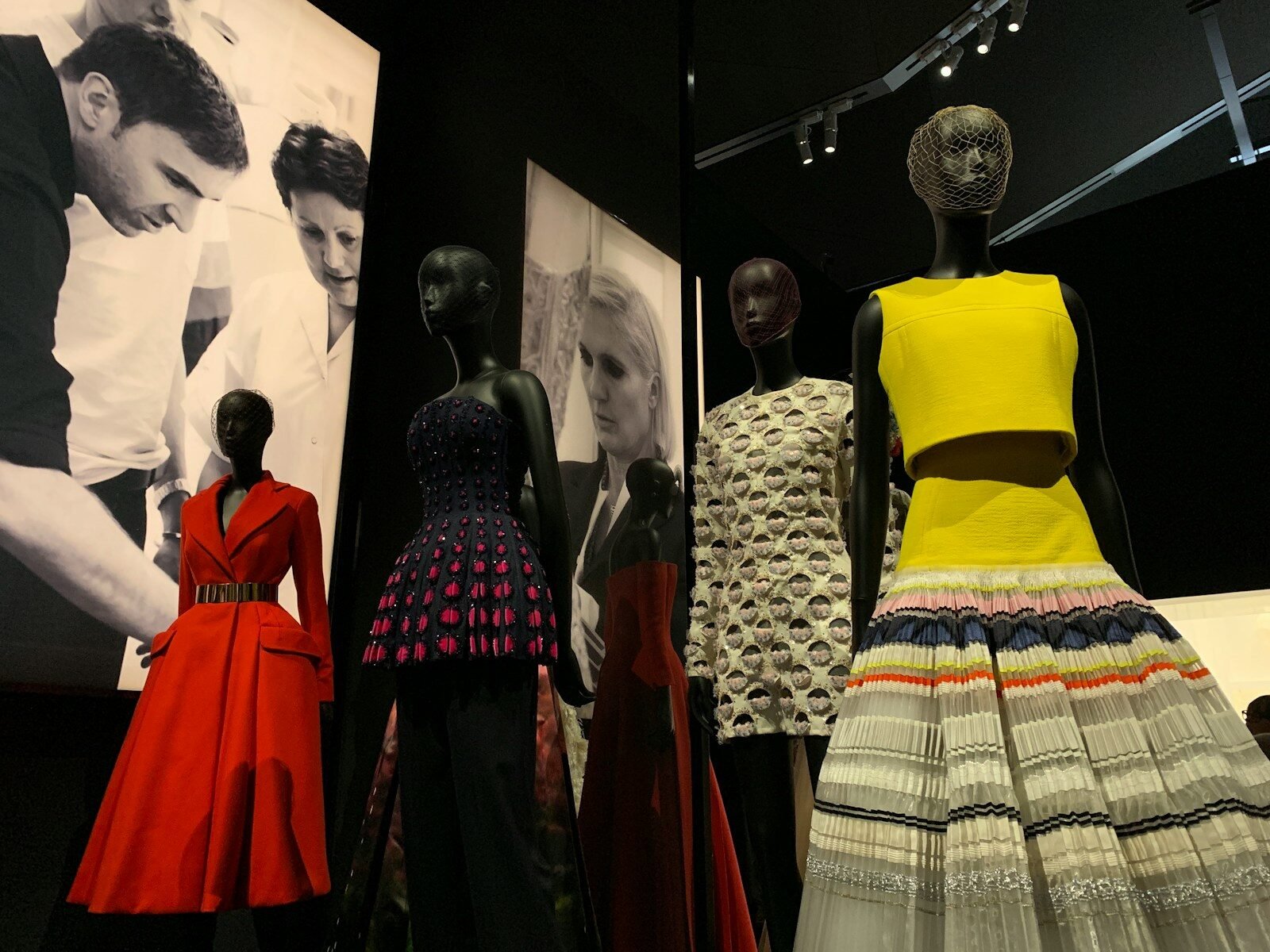
LVMH is the biggest luxury group in the world. Its fashion houses include Louis Vuitton, Dior, Celine, Loewe, Fendi, Givenchy, Kenzo and Loro Piana. So the Dior bag and the Loewe sweater in the same shop window come from the same family.
However, LVMH has also started letting brands go. It sold Off-White in 2024 and divested its stake in Stella McCartney in January 2026. In May 2026, it even agreed to sell Marc Jacobs after nearly 30 years of ownership.
Kering
Kering is LVMH’s biggest French rival. It owns Gucci, Saint Laurent, Bottega Veneta and Balenciaga. On top of that, it bought a 30% stake in Valentino in 2023, with the option to buy the rest later.
Here is a fun detail. Kering, once called PPR, also owned Puma for years. In other words, the same group sold you luxury handbags and running shoes at the same time.
Prada Group
Prada and Miu Miu have always been siblings. Few people know that the group also owns Church’s, the British shoemaker. The biggest surprise came in December 2025, when Prada completed its takeover of Versace for 1.25 billion euros.
That means two Milan rivals with opposite styles now share one owner. Prada stands for quiet, intellectual fashion. Versace stands for gold, glamour and bold prints.
Moncler Group
Moncler is famous for its luxury puffer jackets. Yet it also owns Stone Island, the Italian label with the compass badge. Moncler announced the deal in late 2020, uniting two of the biggest names in premium outerwear.
The Fast Fashion Families
High street shopping feels like a choice between many stores. In practice, a few groups own most of the shops in your local mall.
Inditex
Inditex is the Spanish group behind Zara. It also owns Pull&Bear, Massimo Dutti, Bershka, Stradivarius, Oysho, Zara Home and Lefties. Each brand speaks to a different age group or budget, but they share the same fast supply chain.
So when you walk from Zara to Bershka to Massimo Dutti, you never actually leave the same company. That is the portfolio strategy working perfectly.
H&M Group
Many shoppers who avoid H&M happily buy from COS or ARKET. Both are part of H&M Group, together with & Other Stories and Weekday. Weekday now also carries Monki and Cheap Monday, after the group folded those labels into it.
This is a clever trick. COS looks minimal and premium, so it attracts a customer that the red H&M logo would never reach.
Fast Retailing
Fast Retailing is the Japanese parent of Uniqlo. It also runs GU, a cheaper sister brand that is huge in Japan. Furthermore, it owns Theory, the American workwear label, and the French brands Comptoir des Cotonniers and Princesse tam.tam.
Sportswear and Outdoor Siblings
Sportswear has some of the most surprising family ties. Several brands that feel independent are actually part of a much bigger machine.
Nike
Nike owns Jordan Brand, which started as a single shoe deal with Michael Jordan in 1984. It also owns Converse, the home of the Chuck Taylor. So the classic canvas sneaker and the latest Air Max come from the same company.
VF Corporation
VF Corporation owns The North Face, Vans and Timberland. Those three brands feel like they belong to completely different worlds. Still, they share one American parent.
VF used to own even more. It sold Supreme in 2024 and completed the sale of Dickies to Bluestar Alliance in late 2025. As a result, VF is now focused on outdoor and active brands.
Anta Sports
Anta Sports might be the most underrated name on this list. The Chinese group runs Fila in China and owns Descente and Jack Wolfskin. It is also the largest shareholder of Amer Sports, the owner of Arc’teryx and Salomon.
In January 2026, Anta agreed to buy a 29% stake in Puma from the Pinault family. Once the deal closes, it will become Puma’s largest shareholder. That makes Anta one of the quiet giants of global sportswear.
The Brand Managers You Have Never Heard Of
Some of the largest fashion owners do not design clothes at all. Instead, they buy famous brand names and license them to partners who make and sell the products.
Authentic Brands Group
Authentic Brands Group owns more than 50 brands. Its fashion list includes Reebok, Champion, Guess, Dockers, Brooks Brothers, Ted Baker, Nautica, Quiksilver, Billabong and Hunter. It bought Reebok from Adidas in 2022 and took Guess private in January 2026.
Think about that for a second. Your Reebok sneakers, Champion hoodie and Guess jeans all earn money for the same company.
WHP Global
WHP Global is a New York brand management firm. Its fashion portfolio includes Vera Wang, Rag & Bone and G-Star, the denim label from Amsterdam that we also feature among Dutch clothing brands. In May 2026, WHP and G-III agreed to buy Marc Jacobs from LVMH, with the founder staying on as creative director.
Bluestar Alliance
Bluestar Alliance specializes in reviving heritage and hype brands. It bought Off-White from LVMH in 2024 and Dickies from VF in a 600 million dollar deal. So the brand Virgil Abloh built and the classic American workwear label now share an owner.
PVH, Tapestry and Capri
A few more American groups are worth knowing. PVH owns both Calvin Klein and Tommy Hilfiger. Tapestry owns Coach and Kate Spade, while Capri Holdings owns Michael Kors and Jimmy Choo.
Plot Twists You Did Not See Coming
Some ownership stories are stranger than fiction. These are our favorite ones.
- Supreme belongs to the Ray-Ban company. Supreme started as a small skate shop in New York. Today it is owned by EssilorLuxottica, the eyewear giant behind Ray-Ban and Oakley.
- Adidas and Puma are a family feud. Brothers Adolf and Rudolf Dassler ran one shoe company together. After they split, Adolf founded Adidas and Rudolf founded Puma in the same small German town.
- Reebok was part of Adidas for 16 years. Adidas bought its American rival in 2006. It finally sold Reebok to Authentic Brands Group in 2022.
- Prada and Versace went from rivals to roommates. For decades they competed on the same Milan streets. Now they report to the same boardroom.
- Zara’s owner runs eight brands at once. Most shoppers can name Zara, yet very few realize that Bershka and Massimo Dutti are its siblings.
Many of these names also have great stories behind them. You can read how they got them in our guide to clothing brand name origins.
What This Means for Your Own Clothing Brand
These family trees hold a clear lesson for founders. Every brand on this list kept its own identity, even after a takeover. Stone Island still feels like Stone Island, and Converse still feels like Converse. That is the power of a strong brand identity.
Big groups do not buy factories or fabric. They buy a name that people already love. So if you build a brand with a clear story, a loyal community and a recognizable look, you are building something with real value. Who knows, maybe one day a parent company will come knocking on your door too.
Frequently Asked Questions about Clothing Brand Parent Companies
Authentic Brands Group owns more than 50 brands, including Reebok, Champion, Guess and Brooks Brothers. In luxury, LVMH is the largest group, with houses like Louis Vuitton, Dior and Celine.
Yes. Both are owned by Inditex, the Spanish group that also owns Pull&Bear, Massimo Dutti, Stradivarius, Oysho, Zara Home and Lefties.
Yes. COS is part of H&M Group, together with ARKET, & Other Stories and Weekday.
Both brands are owned by VF Corporation, which also owns Timberland.
Supreme is owned by EssilorLuxottica, the eyewear group behind Ray-Ban and Oakley. It bought Supreme from VF Corporation in 2024.
Yes, by family. Adidas and Puma were founded by the brothers Adolf and Rudolf Dassler after they split their shared shoe company. Today they are separate companies.