Wool for Clothing Brands: Types, Pros and Cons and Best Uses
Wool is one of the oldest fabrics in fashion, and it is still one of the most loved. It keeps you warm without overheating, it rarely smells and it lasts for years. For a clothing brand, wool can lift a collection from basic to premium.
In this guide, we explain the main types of wool, their strengths and weaknesses and what to consider before you use wool in your collection. It is part of our guide to fabrics for clothing brands.
What Wool Is
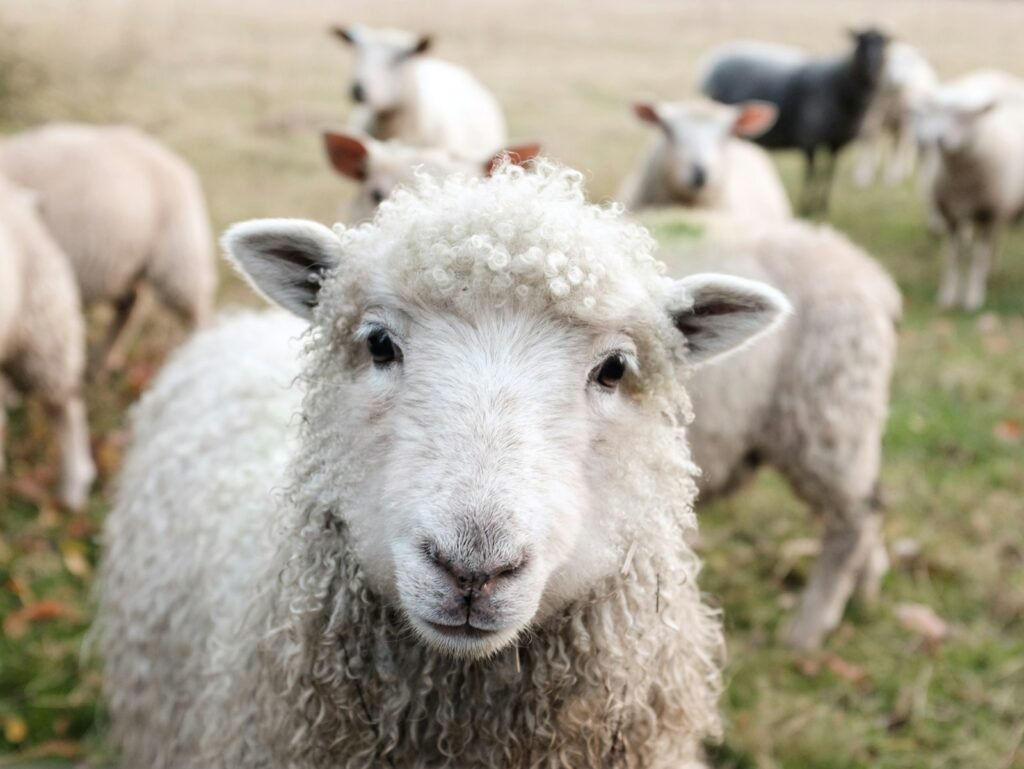
Wool is a natural fiber that comes from the fleece of sheep and some other animals. The fibers have a natural crimp that traps air. That is what makes wool warm, springy and comfortable.
Types of Wool
- Merino wool: very fine and soft, comfortable against the skin and popular for base layers and knitwear.
- Lambswool: wool from a young sheep’s first shearing, soft and warm.
- Shetland and other coarse wools: sturdier and more textured, great for rugged knits.
- Recycled wool: made from old garments or offcuts, a lower impact option.
- Specialty fibers: such as cashmere and alpaca, which are softer and more expensive.
Pros and Cons of Wool
| Pros | Cons |
|---|---|
| Warm, even when slightly damp | Can feel itchy if the fiber is coarse |
| Breathable and temperature regulating | More expensive than cotton or polyester |
| Naturally resists odors | Needs careful washing to avoid shrinking |
| Durable and long lasting | Can pill with friction |
Where Wool Works Best
Wool is ideal for sweaters, coats and other outerwear. Fine merino also works for T-shirts and base layers. Many brands use wool blends with nylon or polyester to make garments stronger and easier to care for.
Fabric weight matters here as well. Our guide to GSM explains how weight affects warmth and feel.
What to Consider as a Brand
- Ask for the micron count, because finer fibers feel softer.
- Check animal welfare standards, such as mulesing-free merino.
- Give clear care instructions on your care labels.
- Label the fiber content correctly. In the US, the FTC explains the rules for wool products in its clothing and textiles guidance.
Recycled wool is also worth a look if you work on sustainable materials.
Frequently Asked Questions about Wool
Wool is a natural fiber from the fleece of sheep and some other animals. It is warm, breathable, odor resistant and durable.
Merino wool has much finer fibers than most regular wool, so it feels softer and less itchy against the skin.
Coarse fibers poke the skin. Finer wools like merino are much less likely to itch.
Yes, especially for knitwear, outerwear and premium basics. It is more expensive, but it allows higher prices and long lasting products.
Usually on a gentle wool cycle in cold water or by hand, and dried flat. Always follow the care label.
Recycled wool is made from old wool garments or production offcuts that are broken down into fibers and spun into new yarn.