DTF Printing: The Complete Guide for Clothing Brands
DTF printing has become one of the most popular ways to decorate clothing in recent years. It combines full-colour detail with the freedom to print on almost any fabric. For small clothing brands, that flexibility can be a game changer.
DTF stands for direct-to-film. Instead of printing straight onto a shirt, the design goes onto a film first. It is then pressed onto the garment. This guide explains how it works, where it shines and when another method makes more sense.
What Is DTF Printing
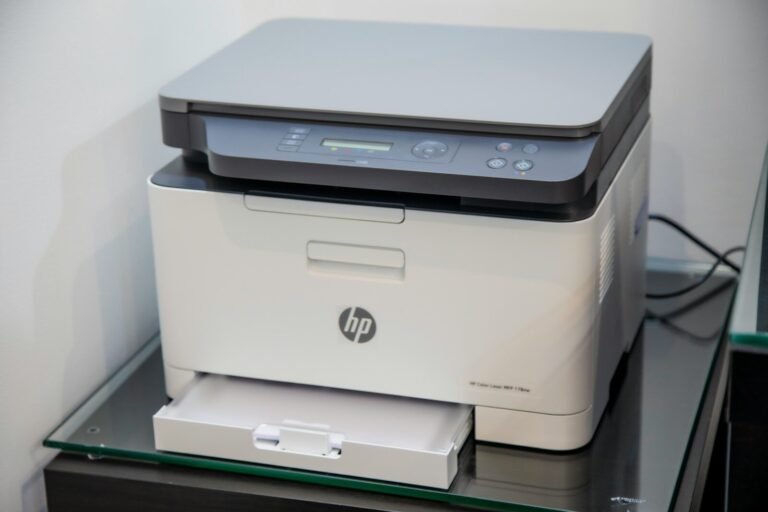
DTF printing is a transfer method. A special printer applies water-based pigment ink to a clear PET film. Next, the film is coated with a hot-melt adhesive powder and cured with heat. Finally, a heat press transfers the design from the film onto the fabric.
It sits between two familiar techniques. Like direct-to-garment printing, it prints full-colour images digitally. However, like heat transfer vinyl, it uses a heat press to apply the design.
How DTF Printing Works
The process takes only a few steps. Most DTF setups follow this order:
- The printer prints the design in reverse onto PET film, with a white ink layer on top of the colours.
- Hot-melt adhesive powder is applied to the wet ink.
- Excess powder is shaken off, so the glue only sits on the design.
- The film is cured in an oven or under a heat press, which melts the powder.
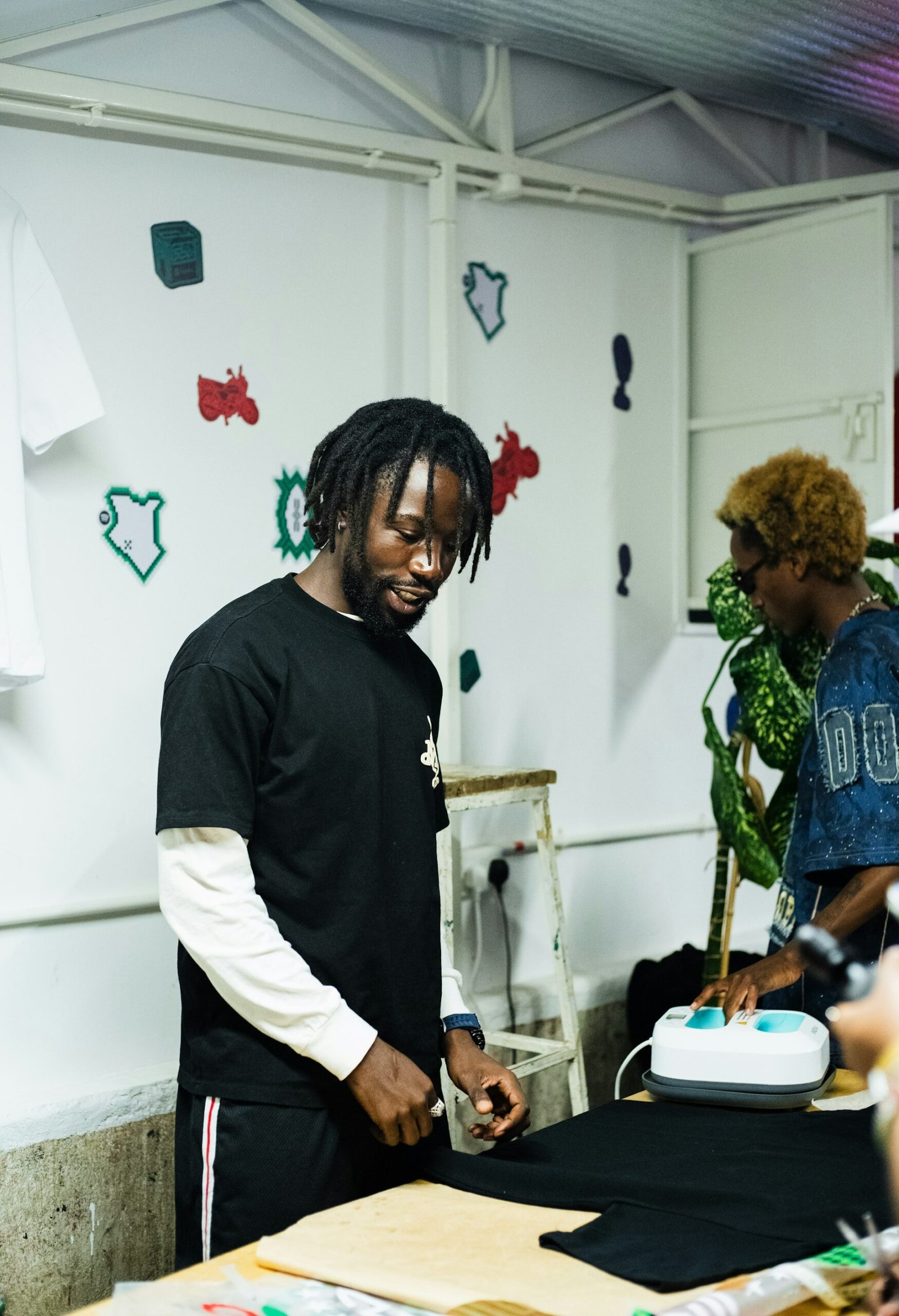
- The cured transfer is pressed onto the garment, and the film is peeled away.
According to Printful, the final press typically takes 15 to 20 seconds at around 165°C. Exact settings depend on the film, powder and fabric, so always follow your supplier’s guidelines.
Advantages of DTF Printing
DTF solves several problems that small brands often run into. The biggest benefits are:
- Works on many fabrics: cotton, polyester, nylon and blends can all be printed
- No pretreatment: unlike DTG, dark garments do not need a pretreatment spray
- Full colour: photos, gradients and fine details print without extra cost per colour
- Low minimums: you can print a single piece, which suits small runs and samples
- Easy storage: transfers can be printed in advance and pressed when orders come in
As a result, DTF is popular with brands that test many designs or sell on demand.
Limitations of DTF Printing
DTF is not perfect for every design. The print sits on top of the fabric as a thin layer, rather than soaking into the fibres. That affects how the garment feels and breathes.
Hand Feel on Large Prints
Small logos and chest prints feel fine. However, large solid areas can feel slightly plastic and less breathable. For big back prints, consider breaking up solid shapes or choosing another technique.
Cost is another factor. For large runs of a simple design, screen printing usually becomes cheaper per piece. Poorly cured transfers can also crack or peel after washing.
DTF vs DTG vs Screen Printing
Each method fits a different stage of your brand. Here is a quick comparison:
- DTF: best for full-colour designs on mixed fabrics in small to medium runs
- DTG: best for soft, detailed prints on cotton, with no layer on top
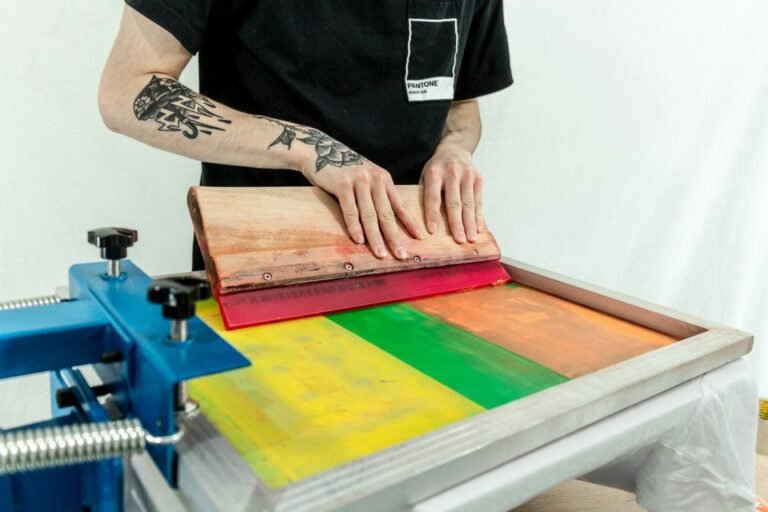
- Screen printing: best for large runs of designs with few colours and a durable finish
In short, DTF offers the most flexibility, DTG the softest feel and screen printing the lowest cost at scale. Our overview of printing techniques for clothing brands compares every option in more detail.
When to Use DTF for Your Clothing Brand
DTF works especially well in a few situations. It suits brands that are still testing designs and do not want large minimums. It also helps when you print on polyester or blends, where DTG struggles.
Many print on demand suppliers now offer DTF as well. That makes it an easy way to add full-colour designs to your range without buying equipment.
Design Tips for DTF Prints
- Use high-resolution files, ideally 300 DPI at print size
- Avoid very thin lines and tiny text, which may not transfer cleanly
- Break up large solid areas to keep the print flexible and breathable
- Order a test print and wash it several times before a full run
Most suppliers sell transfers on gang sheets, where you fill one large sheet with several designs. Therefore, combining logos, sleeve prints and neck prints on one sheet keeps costs down.
Frequently Asked Questions about DTF Printing
DTF stands for direct-to-film. The design is printed onto a PET film first and then transferred onto the garment with a heat press.
It depends on your needs. DTF works on more fabrics and needs no pretreatment, while DTG gives a softer print because the ink soaks into the fabric.
Yes. DTF works on cotton, polyester, nylon and blends, which makes it more flexible than DTG.
A well-cured DTF print can last many washes. Wash garments inside out on a cool cycle to extend their life.
For small runs and full-colour designs, DTF is often cheaper. For large runs with few colours, screen printing usually costs less per piece.