How to Create a Modest Clothing Brand (+ Examples)
Modest clothing gives people a way to dress with more coverage without giving up on style. Think of loose cuts, longer hemlines, higher necklines and fabrics you cannot see through. For many customers, it is a daily choice linked to faith, culture or simply personal comfort.
The market is large and still growing. Yet many shoppers feel that mainstream labels treat them as an afterthought. That gap is exactly where a focused brand can win, as with many other types of clothing brands.
This guide shows you how to build a modest clothing brand that feels authentic and looks modern. You will learn how to define your audience, design for coverage and market with respect.
Modest Clothing Branding Strategies
Every strong modest brand starts with a few clear decisions. Before you design a single piece, work through these steps:
- Choose who you design for and why they dress modestly.
- Decide how much coverage your collections will offer.
- Pick one core category, such as abayas, everyday wear or swimwear.
- Build an identity that feels modern rather than old-fashioned.
- Plan your marketing around the moments your audience cares about.
Each step narrows your focus. As a result, your brand becomes easier to recognise and easier to recommend.
Define Your Modest Audience
Modest fashion is not one single market. According to DinarStandard, Muslim consumers spent about $347 billion on modest fashion in 2024. That figure is projected to reach $444 billion by 2029. Christian, Jewish and secular customers also buy modest clothing, so the audience is wider than one faith.
Because the market is so broad, a clear target audience matters more than ever. Most successful brands focus on one of these groups:
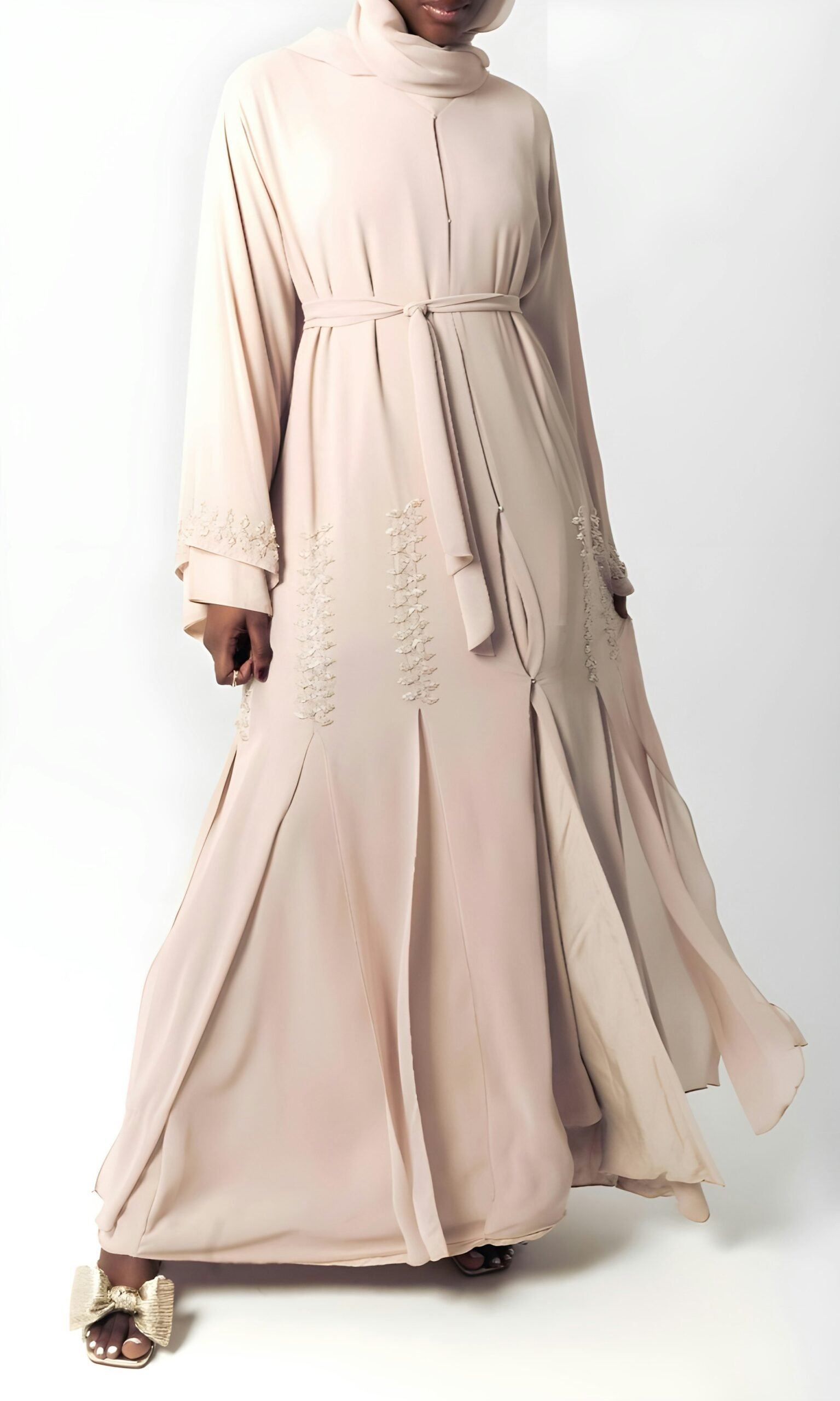
- Abaya and hijab wear: traditional garments with a modern cut, fabric or colour palette
- Everyday modest wear: tops, dresses and trousers that work for office and weekend
- Modest activewear and swimwear: full-coverage pieces for the gym, pool or beach, close to a swimwear clothing brand
- Occasion wear: kaftans, gowns and Eid outfits for weddings and celebrations
Your choice shapes everything else. For example, an activewear label needs technical fabrics, while an occasion brand needs rich textures and careful finishing.
Designing Modest Clothing
Good modest design is about more than adding length. Customers want pieces that cover well, move easily and still feel current. Keep these principles in mind:
- Coverage: check necklines, sleeve lengths and hemlines in every pose, not just standing still
- Opacity: choose fabrics that stay opaque in daylight and when wet
- Fit: favour relaxed silhouettes that skim the body rather than cling to it
- Layering: design pieces that work together, such as slip dresses with open kimonos
Test Coverage, Not Just Looks
A dress can look perfect on a hanger and still fail in real life. Therefore, ask testers to sit, bend and raise their arms in your samples. Small fixes, like a longer sleeve cuff or an extra lining, make a big difference.
Fabric choice plays a key role here. Our guide to fabrics for clothing brands explains how weight and weave affect drape and sheerness.
Craft a Strong Brand Identity
Modest brands often struggle with outdated visuals. A clear brand identity helps you look fresh and confident instead. Focus on these elements:
- Name: short, easy to say in several languages and free of clichés
- Colours: a palette that reflects your style, from soft neutrals to bold jewel tones
- Imagery: models who actually wear modest clothing in daily life
- Tone of voice: warm and respectful, never preachy or judgmental
In addition, your imagery should show real situations. Campaigns set at work, at family dinners or on holiday feel more relatable than studio shots alone.
Modest Clothing Brand Examples
Some of the strongest modest labels come from countries with large Muslim populations. Among Indonesian clothing brands, Dian Pelangi has been a modest fashion pioneer since 2007. Buttonscarves, meanwhile, made hijabs easier to style with button attachments instead of pins.
In Malaysia, Naelofar became known for its instant shawls, while Poplook has sold everyday modest wear online since 2009. You can read more about both in our overview of Malaysian clothing brands.
The Gulf offers further inspiration. Bahraini brand AKS The Label reworks the abaya with oversized tailoring. In Kuwait, Emanmoon has designed affordable modest womenswear since 2006, while Xaia makes swimwear with different levels of coverage.
Marketing Your Modest Clothing Brand
Modest customers often discover brands through people they trust. That’s why influencer marketing works so well in this niche. Many modest fashion creators have loyal audiences who value honest recommendations.
- Creator partnerships: work with modest fashion influencers who already wear similar styles
- Community: share styling tips, customer photos and behind-the-scenes content
- Lookbooks: show how pieces layer and combine across seasons
- Seasonal drops: release collections around key cultural and religious moments
Plan Around Ramadan and Eid
For many Muslim customers, Ramadan and Eid are the biggest shopping moments of the year. Start planning your Eid collection months ahead, because production and shipping take time. Clear delivery deadlines also help you avoid disappointed customers.
Growing Your Modest Clothing Brand
Once your first collection sells, build on what works. Expand your best sellers into new colours before launching new categories. Moreover, listen closely to feedback about fit and coverage.
Strong community building turns early customers into ambassadors. In the long run, that trust helps a modest brand grow from a niche label into a lasting name.
Frequently Asked Questions about Modest Clothing Branding
A modest clothing brand designs clothing with more coverage, such as longer hemlines, higher necklines, longer sleeves and looser fits. Many brands serve Muslim customers, but Christian, Jewish and secular shoppers buy modest clothing too.
According to DinarStandard, Muslim consumers spent about $347 billion on modest fashion in 2024. The market is projected to reach $444 billion by 2029.
Start by choosing a clear audience and one core category, such as abayas, everyday wear or swimwear. Then test your samples for coverage and opacity before you launch.
Well-known examples include Dian Pelangi and Buttonscarves from Indonesia, Naelofar and Poplook from Malaysia, and AKS The Label from Bahrain.
Ramadan and Eid are the biggest shopping moments for many Muslim customers. Plan these collections months ahead so production and shipping are finished in time.