12 Portugese Clothing Brands Worth Knowing (2026)
Portuguese fashion runs on a synthesis of craft heritage and contemporary ambition. Centuries-old textile traditions and shoemaking expertise now inform brands built for international markets. The industry gained an edge through specialized manufacturing, especially in footwear, denim, and quality textiles. That expertise attracts European brands seeking production, while also supporting domestic labels using the same capabilities. As a result, Portuguese fashion functions as both a production hub and a creative origin, where technical skill and design innovation work together instead of staying separate.
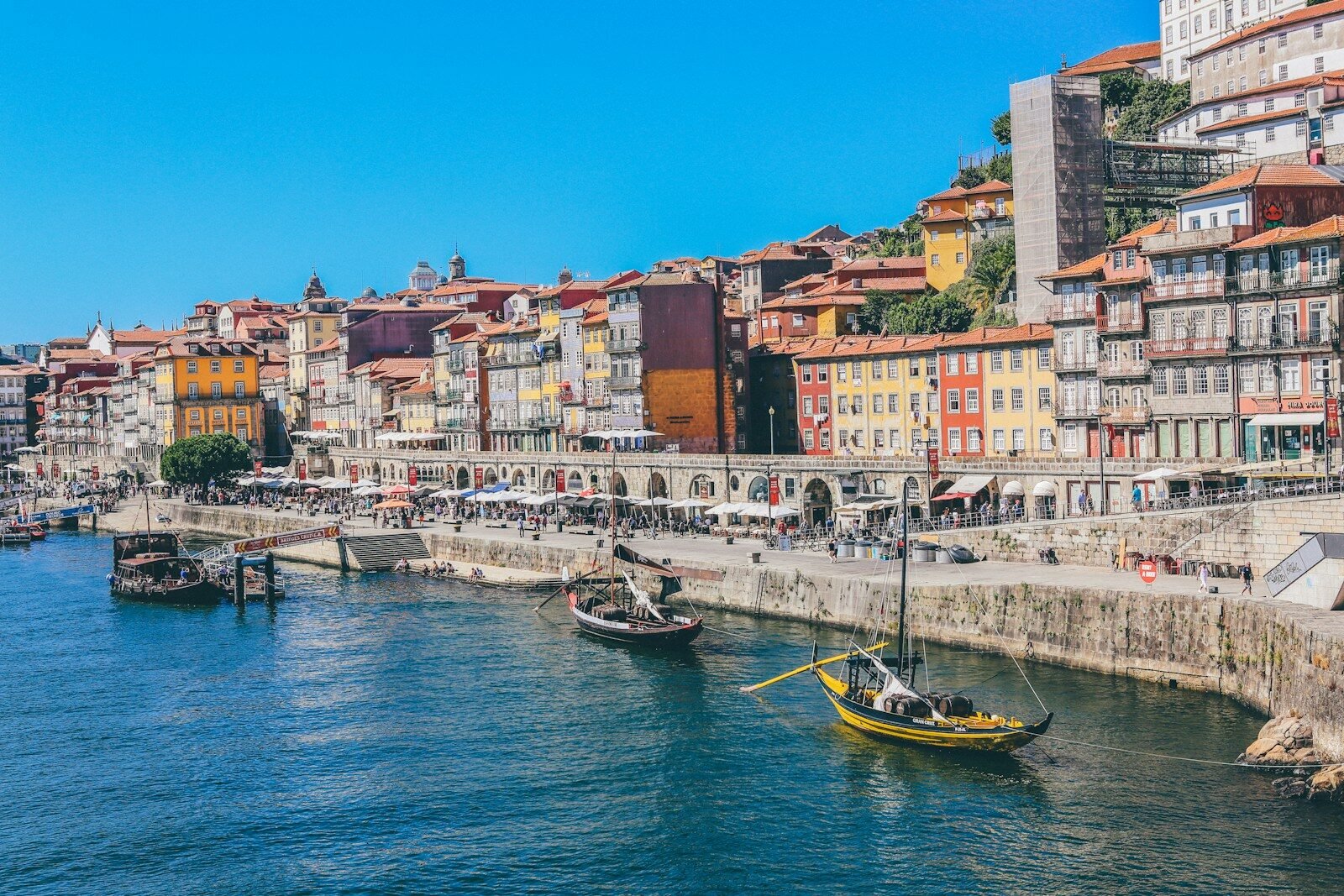
Lisbon and Porto anchor the industry through complementary strengths. Lisbon serves as the creative and commercial center, hosting ModaLisboa since 1991. Porto’s northern region, meanwhile, concentrates textile and footwear manufacturing that supports both local brands and international production. Technical schools train skilled craftspeople, family-owned factories blend traditional techniques with modern equipment, and a younger generation of designers is translating Portuguese identity into contemporary fashion. If you compare Portugal with Spain or Italy, the difference becomes clear: Italy leans on established luxury heritage, Spain on retail giants like Zara, while Portugal builds recognition through craft quality and emerging designers rooted in manufacturing expertise.
Portuguese Clothing Brands Overview
Here’s a quick overview of the 12 Portuguese brands featured in this guide, from luxury footwear to commercial denim.
Josefinas – Luxury footwear brand founded in 2013, known for ballerina flats rooted in Portuguese shoemaking heritage
Béhen – Minimalist contemporary label established in 2013, built on Portuguese fabrics and sustainable practices
Isto – Radically transparent brand founded in 2018, producing sustainable clothing with open-book pricing
Salsa Jeans – Portugal’s most internationally successful denim brand, founded in 1994 on body-conscious fit
Fly London – Comfort-driven footwear brand since 1994, blending Portuguese craft with technical innovation
Tiffosi – Accessible fast fashion label since 1986, mixing trend pieces with wardrobe basics
Storytailors – Contemporary label founded in 2010, weaving Portuguese tiles and heritage into modern design
Maria Gambina – Feminine, romantic label launched in 2014, referencing Portuguese architecture and culture
Taranta Creations – Artisanal accessories brand founded in 2016, working with cork and traditional textiles
Nuno Gama – Portugal’s longest-running contemporary designer label, founded in 1989
Katty Xiomara – Feminine, expressive label established in 2004, known for prints and embellishment
Lanidor – Accessible-premium womenswear brand since 1995, serving Portuguese and Spanish markets
Portuguese Clothing Brands
Josefinas
Location: Porto, Portugal
Founded: 2013
Price level: high
Product type: footwear
Style: luxury, Portuguese
Website: https://www.josefinas.com/
Instagram: @josefinas
Josefinas built its brand around luxury ballerina flats that celebrate Portuguese shoemaking heritage. Founders Filipa Júlio and Miguel Santiago produce every pair using traditional craftsmanship and quality materials made in Portugal. This focus on cultural authenticity turned the brand into an internationally recognized name. Josefinas also treats each pair as a craft object, using packaging and storytelling that communicate heritage rather than just function. That transparency about production has become central to how the brand earns trust at a premium price point.
Béhen
Location: Porto, Portugal
Founded: 2013
Price level: high
Product type: clothing
Style: contemporary, minimal
Website: https://www.behen.pt/
Instagram: @behen_clothing
Béhen builds minimalist fashion for a sophisticated international customer using Portuguese fabrics and local manufacturing. The brand focuses on essentials done exceptionally well instead of trend-driven novelty. Pieces are designed as wardrobe foundations, so quality materials and thoughtful construction matter more than seasonal styling. Béhen also puts Portuguese production and sustainable practices at the center of its identity rather than treating them as an afterthought. That consistency has made the brand a reference point for quiet, quality-first contemporary fashion.
Isto
Location: Porto, Portugal
Founded: 2018
Price level: medium
Product type: clothing
Style: sustainable, contemporary
Website: https://www.isto.pt/
Instagram: @isto.store
Isto built its identity around radical transparency, breaking down exactly how prices are calculated for every product. The brand produces clothing from recycled materials using Portuguese manufacturing throughout. Instead of treating sustainability as a marketing angle, Isto makes it the foundation of the business model itself. The brand also treats customers as partners, explaining trade-offs honestly rather than claiming perfect solutions exist. That approach influenced other emerging Portuguese labels to rethink how they talk about responsibility and cost.
Salsa Jeans
Location: Vila Nova de Gaia, Portugal
Founded: 1994
Price level: medium
Product type: clothing
Style: denim, contemporary
Website: https://www.salsajeans.com/
Instagram: @salsajeans
Salsa Jeans became Portugal’s most internationally successful commercial fashion brand through denim expertise and body-conscious fit. The company develops proprietary construction methods and fabric treatments that improve comfort across different body types. That focus on real product performance, rather than pure trend-chasing, drove its commercial dominance. Salsa also built an extensive retail network across Europe through owned stores and wholesale partnerships. The brand proves Portuguese manufacturing can support global scale, not just serve as a production line for other countries’ labels.
Fly London
Location: São João da Madeira, Portugal
Founded: 1994
Price level: medium
Product type: footwear
Style: contemporary, comfort
Website: https://www.flylondon.com/
Instagram: @fly_london
Fly London built an international footwear brand around comfort technology and contemporary design. The company uses Portuguese manufacturing expertise combined with construction methods that improve the wearing experience without sacrificing style. That balance of function and aesthetics helped the brand move beyond pure craft positioning into global retail. Fly London now sells through owned stores and partnerships across Europe, Asia, and the Americas. The brand shows Portuguese footwear can compete on innovation, not just heritage.
Tiffosi
Location: São João da Madeira, Portugal
Founded: 1986
Price level: affordable
Product type: clothing
Style: contemporary, casual
Website: https://www.tiffosi.com/
Instagram: @tiffosi
Tiffosi represents Portuguese fast fashion, offering trend-aware denim and casual wear at accessible prices. The brand mixes Portuguese and international manufacturing to keep supply chains efficient and pricing competitive. That commercial positioning shows the Portuguese fashion industry includes mass-market players alongside designer labels and craft brands. Tiffosi also expanded across Southern Europe and Portuguese-speaking markets through retail and e-commerce. The brand proves regional understanding can drive growth just as effectively as premium positioning.
Storytailors
Location: Lisbon, Portugal
Founded: 2010
Price level: medium
Product type: clothing
Style: contemporary, Portuguese
Website: https://www.storytailors.pt/
Instagram: @storytailors
Storytailors builds contemporary fashion around Portuguese tiles, traditional patterns, and cultural heritage. The label translates these references into prints, embroidery, and design details without losing everyday wearability. That approach made Portuguese identity central to the brand rather than just a production detail. Storytailors also built a strong domestic following before pursuing international growth. This patient strategy shows how cultural authenticity can anchor a sustainable business model.
Maria Gambina
Location: Lisbon, Portugal
Founded: 2014
Price level: high
Product type: clothing
Style: feminine, romantic
Website: https://www.mariagambina.com/
Instagram: @mariagambina
Maria Gambina channels Portuguese cultural references into feminine, romantic collections. The designer draws on Portuguese tiles and architecture through delicate fabrics and detailed silhouettes. This makes Portuguese identity visible through design itself, rather than through production origin alone. Maria Gambina also built visibility through ModaLisboa presentations and strategic retail placement. The brand proves distinctive creative vision can succeed without requiring an immediate international breakthrough.
Taranta Creations
Location: Lisbon, Portugal
Founded: 2016
Price level: high
Product type: accessories
Style: artisanal, Portuguese
Website: https://www.tarantacreations.com/
Instagram: @tarantacreations
Taranta Creations produces bags and accessories using cork, traditional Portuguese textiles, and artisanal techniques. Each piece is treated as a craft object rather than just a commercial product. That focus on authentic materials and making processes helped the brand build a premium, culturally grounded identity. Taranta also educates customers on Portuguese craft traditions through transparent storytelling. The brand shows how heritage techniques can translate into contemporary, exportable design.
Nuno Gama
Location: Lisbon, Portugal
Founded: 1989
Price level: high
Product type: clothing
Style: contemporary, sophisticated
Website: https://www.nunogama.com/
Instagram: @nunogama_official
Nuno Gama is Portugal’s longest-established contemporary designer, with over three decades of consistent output. His work balances commercial wearability with creative vision, using Portuguese production throughout. That sustained career shows how design consistency and brand integrity build lasting customer loyalty. Gama also mentors younger designers and takes part in ModaLisboa’s ongoing development. His involvement reflects a mature fashion culture that invests in the next generation, not just individual success.
Katty Xiomara
Location: Lisbon, Portugal
Founded: 2004
Price level: high
Product type: clothing
Style: feminine, elegant
Website: https://www.kattyxiomara.com/
Instagram: @kattyxiomara
Katty Xiomara builds feminine, expressive fashion around prints and embellishment that feel celebratory rather than restrained. The designer embraces decoration and personality instead of minimalist reduction. That joyful approach shows Portuguese fashion covers more than just quiet, pared-back design. Katty Xiomara also achieved international visibility through strategic retail and fashion week participation. The brand proves emotional, expressive design can hold its own in a market dominated by minimalism.
Lanidor
Location: Santo Tirso, Portugal
Founded: 1995
Price level: medium
Product type: clothing
Style: contemporary, feminine
Website: https://www.lanidor.com/
Instagram: @lanidor_official
Lanidor serves Portuguese and Spanish customers with feminine contemporary fashion at accessible-premium pricing. The label focuses on versatile pieces that move between professional and casual settings. This regional focus, rather than aggressive global expansion, has kept the brand closely aligned with local taste. Lanidor proves smaller regional brands can compete against international labels through genuine value and cultural fit. That disciplined strategy has sustained the business for nearly three decades.
Other Notable Portuguese Clothing Brands
Alves/Gonçalves – Sophisticated contemporary label founded in 2012, known for structure and material quality over decoration.
Miguel Vieira – Elegant womenswear brand established in 2007, built on refined tailoring and Portuguese fabrics.
Ricardo Preto – Established contemporary label since 2002, serving professional women with timeless, quality-first design.
Dino Alves – Menswear brand founded in 2000, focused on precise tailoring and fabric quality.
Eduardo Rivera – Minimalist menswear label founded in 2012, built on clean lines and material restraint.
Maria Clè – Feminine contemporary label established in 2015, growing internationally through digital-first strategy.
Luís Carvalho – Experimental designer founded in 2008, known for conceptual, artistic collections.
Aleksandar Protic – Avant-garde label founded in 2013, working at the intersection of fashion and contemporary art.
Frequently Asked Questions about Portuguese Clothing Brands
Josefinas is one of Portugal’s most recognized exports, known for luxury ballerina flats rooted in traditional Portuguese shoemaking. Salsa Jeans built the country’s most commercially successful international brand through denim expertise and body-conscious fits, while Fly London turned Portuguese footwear manufacturing into a globally distributed comfort-focused label. Together they show Portuguese fashion succeeding across very different positions, from craft luxury to commercial denim to functional footwear.
Portugal built a reputation for specialized manufacturing in footwear, denim, and quality textiles, concentrated mostly around Porto’s northern industrial region. That infrastructure combines technical schools, family-owned factories, and modern equipment, giving both Portuguese labels and international brands access to skilled production without requiring massive domestic market scale. Proximity to manufacturing also lets designers stay closely involved in construction and quality control, something harder to achieve when production happens far from the design studio.
Isto built its entire identity around radical transparency, using recycled materials and openly explaining how its pricing breaks down. Béhen also centers Portuguese production and sustainable practices as part of its brand story rather than treating them as a marketing afterthought. Both brands represent a growing segment of Portuguese fashion that ties sustainability directly to local manufacturing, arguing that shorter supply chains and closer quality control naturally support more responsible production.
Josefinas leads on the luxury end, producing leather ballerina flats that lean on traditional Portuguese shoemaking craft. Fly London takes a more technical approach, combining comfort engineering with contemporary design for a broader international audience. Both brands demonstrate how Portugal’s shoemaking heritage, concentrated around São João da Madeira and Porto, supports footwear labels at very different price points and positioning.
Tiffosi operates in fast fashion territory, offering trend-aware casual wear and denim at accessible prices across European markets. Lanidor serves a similar accessible-premium space, focused mainly on Portuguese and Spanish customers seeking reliable contemporary fashion without an international brand markup. Both show that Portugal’s fashion industry supports commercial, price-conscious labels alongside its better-known luxury and craft-driven brands.