Bamboo Fabric for Clothing Brands: What It Really Is and How to Label It
Bamboo clothing is often sold as soft, natural and eco-friendly. The reality is more complicated. Most “bamboo” clothing is not made of bamboo fiber at all, but of a type of rayon made from bamboo. For a clothing brand, knowing the difference is essential, both for your product and for how you describe it.
In this guide, we explain how bamboo fabric is made, how to label it correctly and how it compares to other fibers. It goes deeper into one part of our guide to viscose.
How Bamboo Fabric Is Made
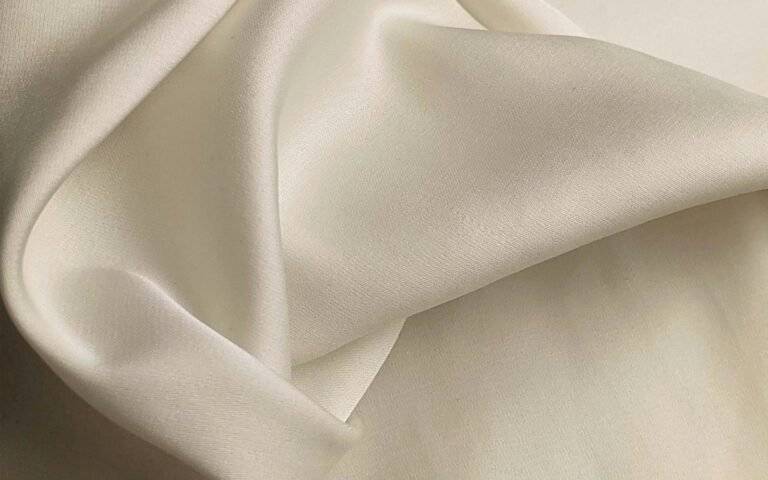
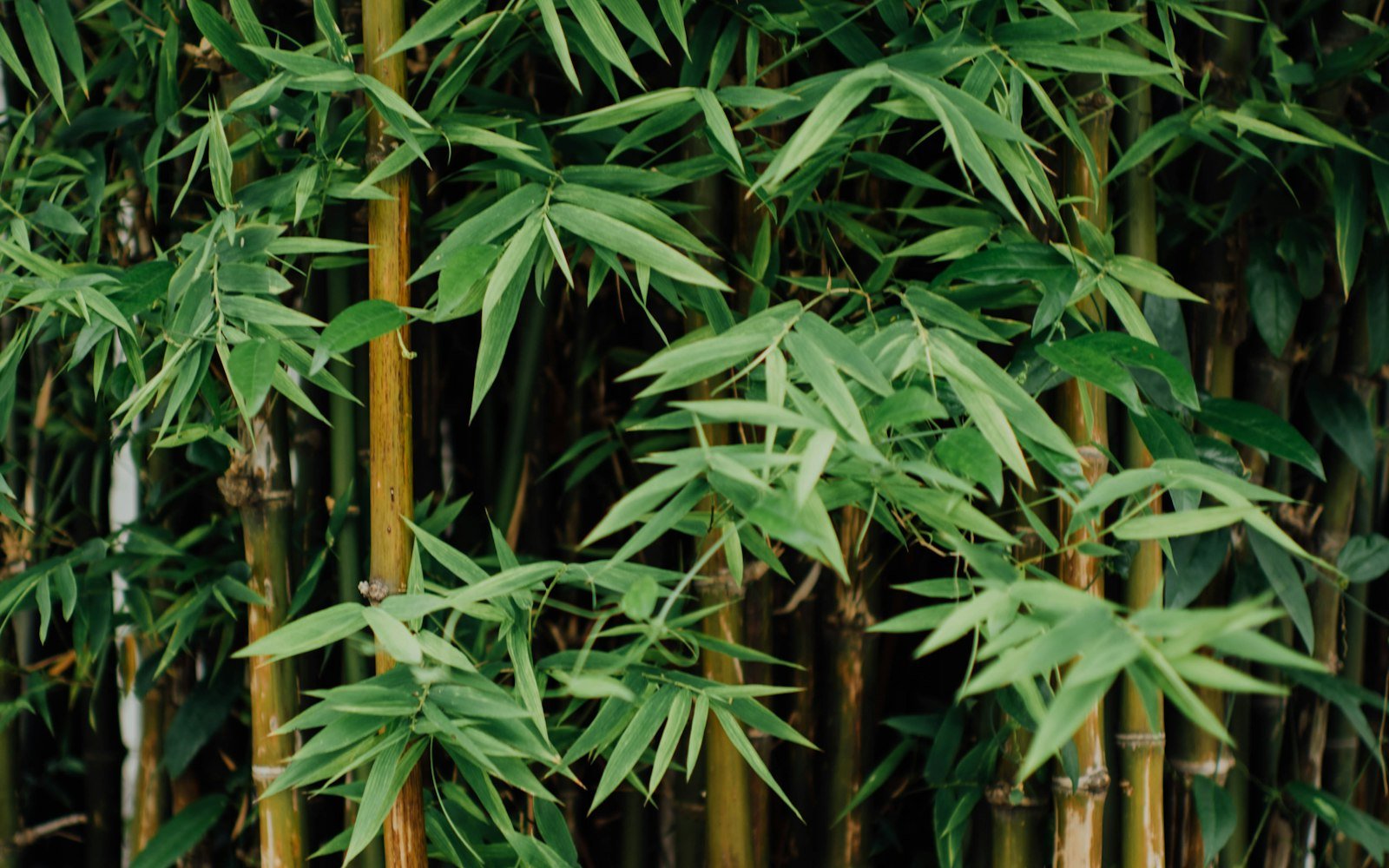
There are two ways to turn bamboo into fabric. Mechanically processed bamboo is made by crushing the plant and combing out the fibers. It is rare and expensive. Far more common is bamboo viscose, where bamboo pulp is dissolved with chemicals and turned into a regenerated fiber, just like regular viscose.
How to Label Bamboo Clothing
Labeling rules matter here. In the US, the FTC says textiles can only be called bamboo if they are made directly from bamboo fiber. If bamboo is used as the source for rayon or viscose, it should be described as “rayon made from bamboo” or “viscose made from bamboo”. The FTC explains this in its guide How to Avoid Bamboozling Your Customers.
The FTC has also fined well-known retailers for mislabeling rayon as bamboo. In the EU, vague green claims are now banned too, as we explain in our article on the EU greenwashing ban.
Properties of Bamboo Viscose
| Pros | Cons |
|---|---|
| Very soft with a silky feel | Production uses chemicals, like other viscose |
| Absorbs moisture well | Weaker when wet |
| Drapes nicely | Can shrink if washed hot |
| Comfortable for sensitive skin | Often oversold as eco-friendly |
Bamboo vs Other Soft Fabrics
Bamboo viscose behaves much like regular viscose. If you want a soft wood-based fiber with a cleaner production process, Tencel lyocell is usually the stronger choice. For extra softness, modal is another option.
What to Consider as a Brand
- Ask your supplier exactly how the fabric is made.
- Label it correctly, for example as “viscose made from bamboo”.
- Avoid vague claims like “eco-friendly bamboo”. Our article on avoiding greenwashing explains why.
- Add gentle washing instructions to your care labels.
Frequently Asked Questions about Bamboo Fabric
Most bamboo fabric is bamboo viscose or rayon, a regenerated fiber made from bamboo pulp. True bamboo fiber that is mechanically processed is rare.
If the fiber is rayon or viscose made from bamboo, label it as such, for example “viscose made from bamboo”. Only call it bamboo if it is made directly from bamboo fiber.
Bamboo grows fast, but turning it into viscose uses chemicals. That is why broad eco claims about bamboo clothing can be misleading.
Yes. Bamboo viscose is very soft and smooth, which is why it is popular for socks, underwear and basics.
Both can be made from plants, but Tencel lyocell is made in a closed loop process that recovers almost all solvent, while most bamboo fabric is made with a regular viscose process.
It can, especially when washed hot. Wash it gently and follow the care label.