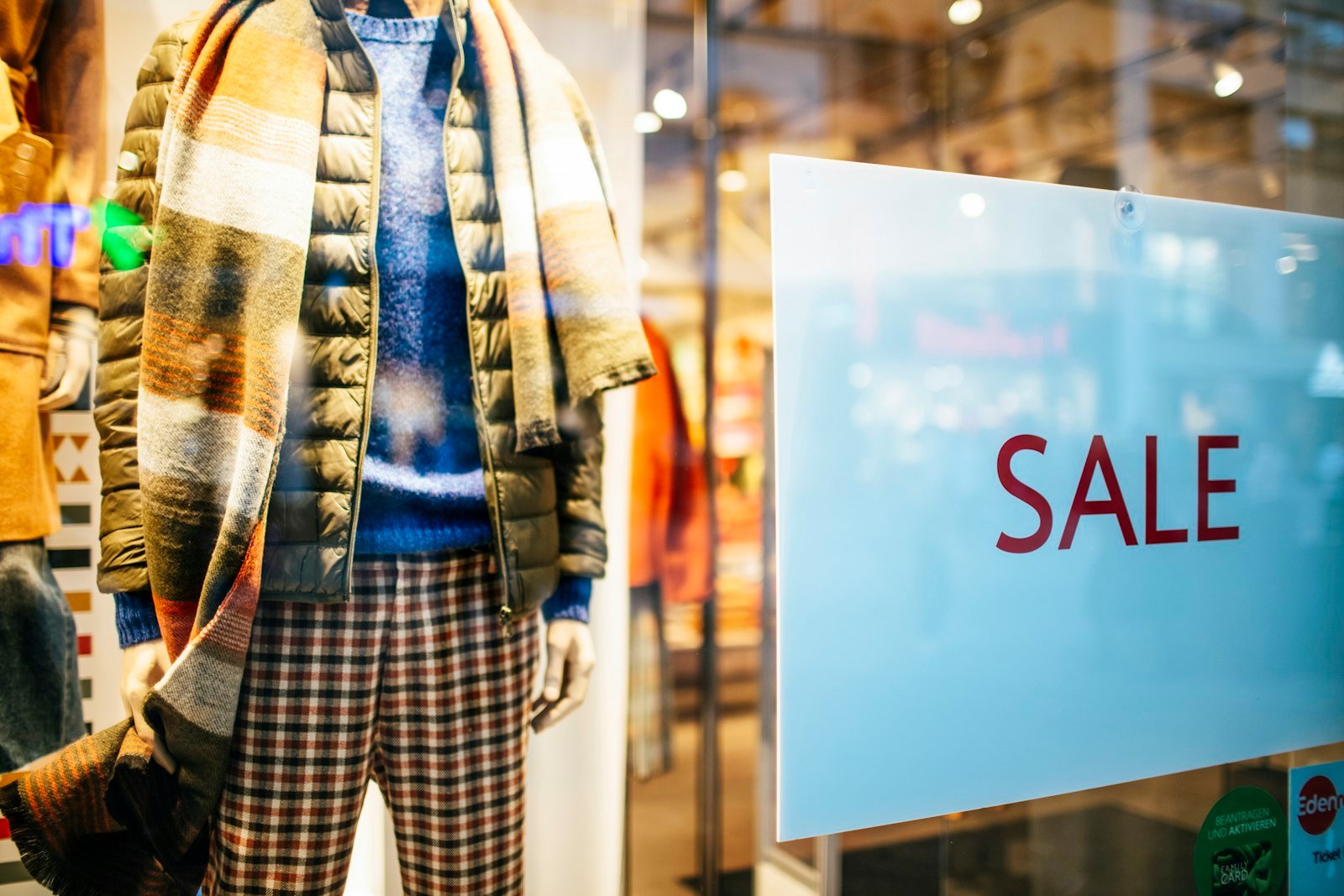
Black Friday for Clothing Brands: To Discount or Not to Discount
Every November, the same question lands in the inbox of almost every clothing brand founder. Should you join Black Friday or not? Your customers expect a deal, your competitors are already counting down, and your email platform keeps suggesting a 30% off campaign. At the same time, you know your margins are thin and your brand is not supposed to feel cheap.
There is no single right answer, but there is a right answer for your brand. In this guide, we look at the numbers, the real cost of a discount, and the alternatives that bigger brands use instead. It all fits into a wider plan for how to promote a clothing brand, so treat Black Friday as one tool rather than the whole strategy.
When Is Black Friday?
Black Friday always falls on the Friday after Thanksgiving in the US. Because Thanksgiving is the fourth Thursday of November, Black Friday lands somewhere between November 23 and November 29. Cyber Monday follows three days later. Together with Thanksgiving and the weekend in between, these five days are often called Cyber Week or BFCM.
The event keeps growing. According to Adobe’s holiday shopping report, Black Friday is one of the two biggest online shopping days of the year in the US, together with Cyber Monday. Clothing is one of the categories that sells most during that week, especially basics. In other words, a lot of people will be shopping for clothes that weekend.
Discounts are part of that picture. In recent years, Adobe has measured apparel discounts of around 25% off list price during the holiday season. That is roughly the level your customers will compare you against.
The Real Cost of a Black Friday Discount
A discount looks small on a banner, but it hits your profit much harder than your revenue. Here is a simple example. Say you sell a t-shirt for €40, and it costs you €12 to produce. That leaves €28 of gross profit per shirt.
Now give 25% off. The shirt sells for €30, but it still costs €12, so your profit drops to €18. To earn the same total profit as before, you need to sell about 56% more shirts. And that is before payment fees, shipping and ads, which do not get cheaper during Black Friday. This is why your pricing needs room for promotions before you ever plan one.
Most Black Friday Buyers Never Come Back
Many founders accept lower margins because Black Friday brings in new customers. However, those customers are often bargain hunters. In one dataset from Ometria, only 4% of new Black Friday customers bought again within 12 months. Bluecore data was more positive, with about 22% returning within roughly 108 days.
Either way, the majority never orders a second time. So the real value of Black Friday depends on what happens in January, not in November. Your plan for repeat customers matters just as much as the sale itself.
Should Your Clothing Brand Do Black Friday?
The answer depends on your business model, your positioning and your stock. Use the two lists below as a quick check.

When Black Friday Makes Sense
- You hold full inventory and have older stock you need to clear
- You sell basics or everyday pieces where shoppers compare prices anyway
- Your margins can absorb 20% to 30% off and still leave profit
- You have a clear plan to turn new buyers into returning customers
When You Should Skip Black Friday
- Your brand runs on limited drops and sold out pieces
- You position yourself as premium or luxury
- You work with pre-order or print on demand and have thin margins per item
- Your regular customers would feel cheated for paying full price last month
Luxury is the clearest example. Houses like Gucci, Chanel, Louis Vuitton and Hermès have long kept Black Friday deals out of their own stores. A luxury clothing brand sells the feeling that the price is the price. One big discount can undo years of that work.
6 Black Friday Alternatives to a Sitewide Discount
You do not have to choose between 30% off everything and total silence. These options let you use the traffic without training customers to wait for a sale.
1. Early Access for Your Email List
Give subscribers first access to a new piece or a small offer before anyone else. Klaviyo has seen repeat purchases grow faster than purchases from new buyers over the Black Friday weekend, and it credits early access drops and VIP offers as part of the reason. It also gives people a reason to join your list, which makes email marketing stronger all year.
2. A Black Friday Drop Instead of a Sale
Launch something new at full price while everyone else is discounting. San Francisco brand California Cowboy, for example, released limited editions of its core flannel shirt throughout Black Friday week. This works especially well if you already use limited drops, because your audience already expects them.
3. A Gift With Purchase
Add a free tote bag, patch or pair of socks above a certain order value. The customer still feels the deal, but your product keeps its price. Plus, the extra item often costs you far less than a 20% discount.

4. Bundles
Offer a hoodie and tee set at a slightly better price than buying both separately. Bundles raise your average order value, so you protect profit per order while still giving shoppers a reason to buy now.
5. Give Back or Offer Repairs
Some brands turn the day into a statement. Belgian label Xandres offered free repairs instead of discounts, while fashion chain Kiabi skipped Black Friday for charity actions. This fits well if sustainability is part of your story.
6. Sit It Out, Loudly
Skipping Black Friday can be a campaign in itself. In 2011, Patagonia ran its famous “Don’t Buy This Jacket” ad on Black Friday, and it still comes up in our Patagonia case study as a turning point for the brand. Kotn has skipped Black Friday sales since 2017, and Haglöfs has closed its shops and online store for the day. The key is to explain why, so your silence reads as a choice and not as absence.
How to Turn Black Friday Buyers Into Repeat Customers
If you do run a sale, plan the follow up before the first order comes in. Start by capturing emails at checkout and on your site. Next, set up email automations that welcome new buyers, show them how to style what they bought, and introduce the rest of your range.
Then wait with your next offer. If Black Friday buyers only hear from you with discounts, they will only ever buy with discounts. Instead, give them a full price reason to come back, such as a new drop in January. Finally, check your numbers around late February. Count how many November customers have ordered again, because that tells you whether Black Friday actually paid off.
Frequently Asked Questions about Black Friday for Clothing Brands
Black Friday is the Friday after US Thanksgiving, so it always falls between November 23 and November 29. Cyber Monday follows on the Monday after.
Adobe has measured apparel discounts of around 25% off list price during recent US holiday seasons. Many small brands stay between 15% and 30%, or avoid sitewide discounts altogether.
It can be worth it if you have stock to clear, healthy margins and a plan to turn new buyers into repeat customers. It is usually not worth it for drop based, premium or print on demand brands with thin margins.
Popular alternatives are early access for your email list, a new limited drop, a gift with purchase, bundles, free repairs or a charity action. You can also skip the day on purpose and explain why.
Luxury brands protect the idea that their price is fixed and their products hold value. Big discounts would weaken that image, so houses like Hermès and Chanel keep Black Friday deals out of their own stores.