Human Made Is the New Selling Point: Why Clothing Brands Are Turning Against AI
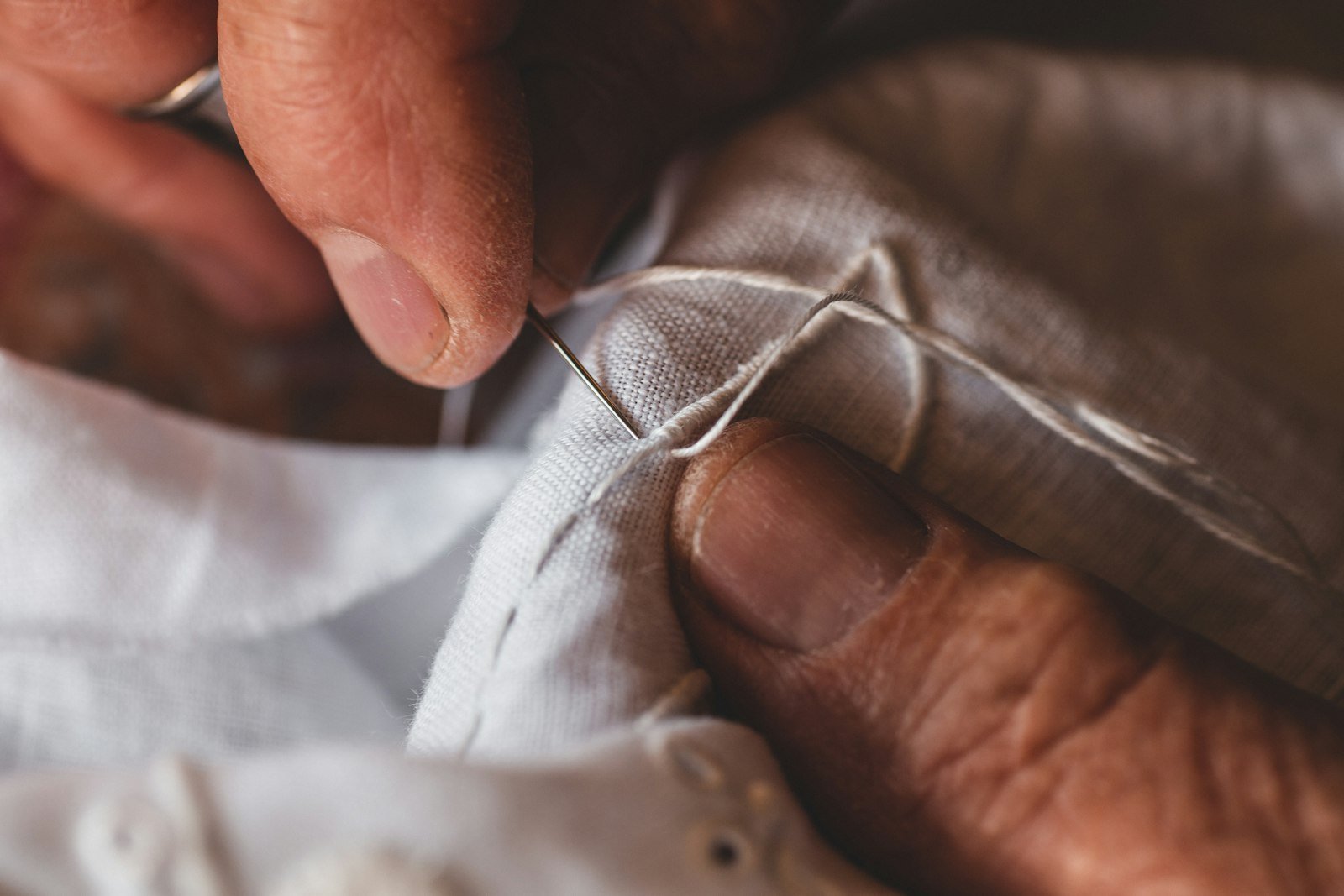
Scroll through any fashion feed right now and you will notice something new. Brands are no longer bragging about how fast they create content. Instead, they are showing how slowly they make it. Hand-drawn graphics, stitching close-ups and messy studio tables are suddenly everywhere.
This shift has a name: human made. It started as a quiet protest against AI-generated images, and it is now turning into one of the strongest selling points a clothing brand can have. In this article, we look at what is driving the trend, what the numbers say and how small brands can use it to their advantage.
What the Human Made Trend Actually Is
Human made is the idea that visible human effort adds value to a product. It is the opposite of the endless stream of AI images that now fills social media. As a result, consumers have started to treat craft as a signal of quality, just like organic became a signal in the food aisle.
The movement gained speed in 2025, when AI-generated action figures went viral. Illustrators responded with the hashtag #StarterPackNoAI and drew their own versions by hand. Since then, the same energy has moved into fashion, marketing and product design.
Big brands are now joining in. For its holiday campaign Let’s Get Fuzzy, Levi’s put 2,000 build hours into a one-minute stop-motion film with handmade sets and characters. Etsy, meanwhile, is running a campaign called “Celebrate Being Human” that puts the makers behind its products front and center. For brands built on handmade clothing, this is the moment they have been waiting for.
The AI Backlash Hitting Fashion Brands
The human made trend did not appear out of nowhere. It grew from a series of public mistakes by fashion brands that leaned too hard on AI. Three cases stand out.
Guess and the AI Model in Vogue
In August 2025, Guess ran an ad in Vogue US featuring two AI-generated models. Readers, photographers and creators reacted strongly. Many saw it as a warning sign for everyone who works in fashion imagery.
Valentino’s DeVain Video
On December 2, 2025, Valentino posted an AI-generated video for its DeVain handbag. The post was clearly labeled as AI. Still, it drew hundreds of critical comments calling it “cheap,” “lazy” and “disturbing.” As Glossy reported, people may enjoy AI for personal use, but they expect more from brands, especially expensive ones.
Gucci’s Primavera Campaign
In February 2026, Gucci posted four AI-generated images ahead of its Primavera show in Milan. It was the first campaign under new creative director Demna. Social media quickly labeled it “AI slop,” and many asked why a luxury house would replace photographers and models with cheaper tools.
The pattern is clear. Labeling AI content does not save a brand. When customers feel that cost cutting is dressed up as innovation, trust disappears fast.
The Numbers Behind the Distrust
The backlash is not limited to a few loud comment sections. Research from 2026 shows that the distrust runs deep.
- 62% of UK consumers say they trust marketing content less since brands started using AI.
- 72% are more likely to engage with content that feels human rather than automated.
- 67% find AI-generated images of people in ads creepy.
- 63% of global consumers say they would be less likely to buy from a brand that uses AI-generated ads.
The first three figures come from a September 2026 Optimizely study of 1,000 UK consumers. The last one comes from research by The Harris Poll, the 4As and Infillion. Together, they tell the same story. People can spot AI content, and they do not like it when brands use it to sell them something.
Why This Is Good News for Small Clothing Brands
For large brands, this trend is a problem. They have scaled their content machines and now need to look human again. Small brands start from the opposite position. You already sketch your own designs, pack your own orders and answer your own DMs.
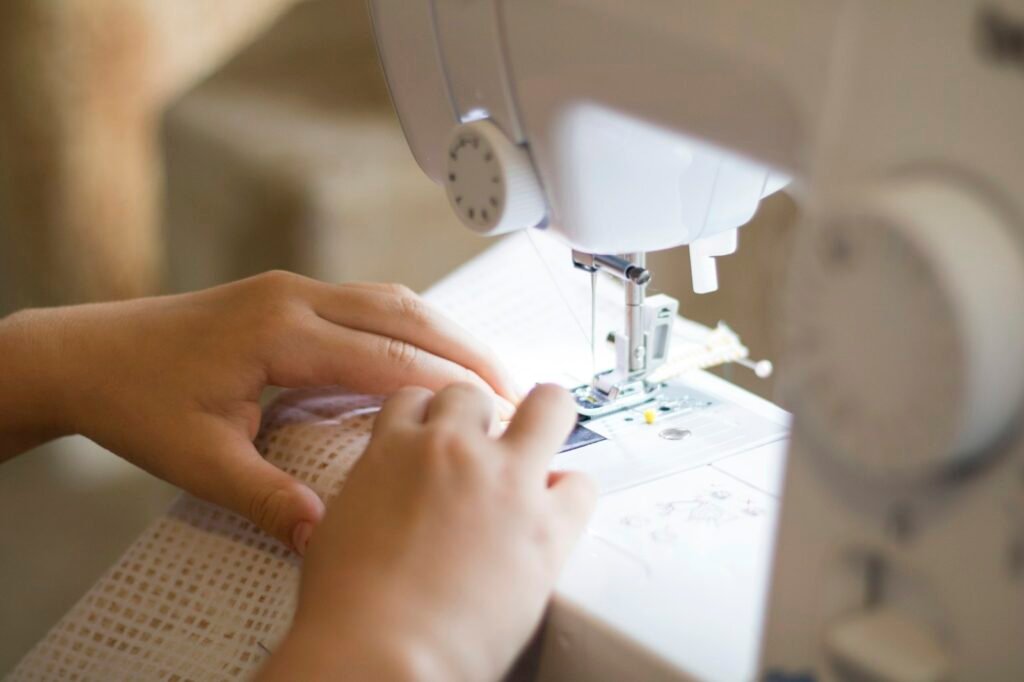
That is a real competitive advantage, as long as people can see it. Take Bode, which built a cult following by turning antique textiles and handwork into one-of-a-kind garments. The craft is not hidden in the back. In fact, it is the whole story.
You do not need to make every piece by hand to benefit. What matters is that customers can feel a real person behind the brand. That starts with a clear brand story that explains who you are and why you make what you make.
How to Make Human Made Visible in Your Brand
Being human is not enough on its own. You also have to show it. These four tactics work well for small clothing brands.
Show the Process, Not Just the Product
Film your hands while you sketch, cut, print or pack. Share the failed samples and the test prints too. This kind of behind the scenes content proves that real work goes into every piece. On top of that, it is cheap to make and performs well on TikTok and Instagram.
Levi’s shows how far you can take this. Its making-of video for Let’s Get Fuzzy turns the craft itself into content.
Use Real People in Your Photos
AI models save money, but they cost trust. Instead, shoot your clothes on real people, even if they are friends or customers. A simple model photoshoot with natural light often beats a perfect synthetic image.
Keep the Hand Visible in Your Designs
Hand-drawn graphics, uneven lines and visible brush strokes are hard for AI to fake convincingly. If you work digitally, consider sharing your sketches next to the final print. That way, customers see the person behind the artwork.
Put Your Name on It
Sign your thank you cards by hand. Mention who made or designed each drop. Small touches like these turn an anonymous product into something with a maker behind it.
Where AI Still Fits In
None of this means you should ban AI from your business. Most consumers do not mind AI that works quietly in the background. Using it to plan content, write product data or create quick mockups for internal testing is perfectly fine.
The line is customer-facing imagery that pretends to be real. Fake models, fake reviews and fake process shots will hurt you once people notice. The same lesson came out of the TikTok rage-bait trend, where staged authenticity worked for a while and then collapsed. So use AI as a tool, but let humans be the face of your brand.
Frequently Asked Questions about Human Made Clothing Brands
Human made means that visible human effort is part of the product and its marketing. Think hand-drawn designs, real models and content that shows how pieces are made. It has become a counter trend to AI-generated content.
Many consumers see AI ads as cheap and less authentic. A 2026 Optimizely study found that 62% of UK consumers trust marketing content less since brands began using AI, and 67% find AI-generated images of people in ads creepy.
Guess was criticized for AI models in a Vogue ad in 2025. Valentino faced backlash for an AI video for its DeVain bag, and Gucci was called out for AI images ahead of its Primavera show in 2026.
Yes. AI works well behind the scenes, for example for planning, product data or quick mockups. Problems start when brands use AI imagery that pretends to be real, such as fake models or fake process shots.
Share your process on social media, photograph your clothes on real people and keep hand-drawn elements in your designs. Personal touches, such as handwritten thank you cards, also help customers feel the person behind the brand.