DTG vs Screen Printing: Which Is Right for Your Clothing Brand?
DTG and screen printing are the two most common ways to print t-shirts and hoodies. Both can produce great results. However, they work in very different ways, and the right choice depends on your order size, design and budget.
This guide compares the two methods side by side. By the end, you will know which one fits your next drop.
The Short Answer
DTG prints your design digitally, straight into the fabric, one garment at a time. Screen printing pushes ink through a separate mesh screen for each colour. As a result, DTG suits small runs and detailed artwork, while screen printing wins on cost and durability at volume.
How Each Method Works
DTG Printing
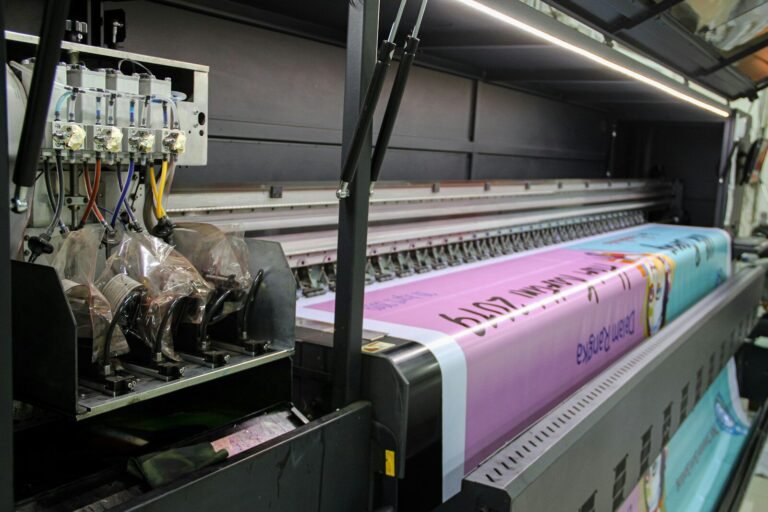
A DTG printer works like an inkjet printer for clothing. It sprays water-based ink into the fibres of the garment. Dark garments first get a pretreatment, so the white ink base sticks properly.
Screen Printing
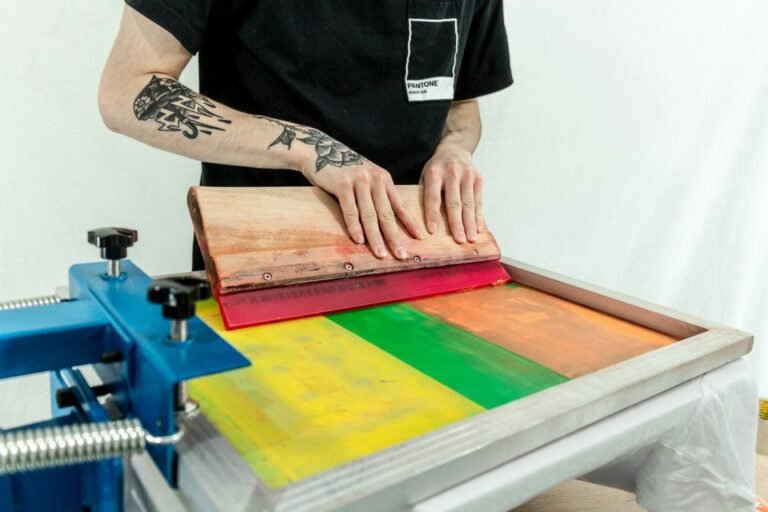
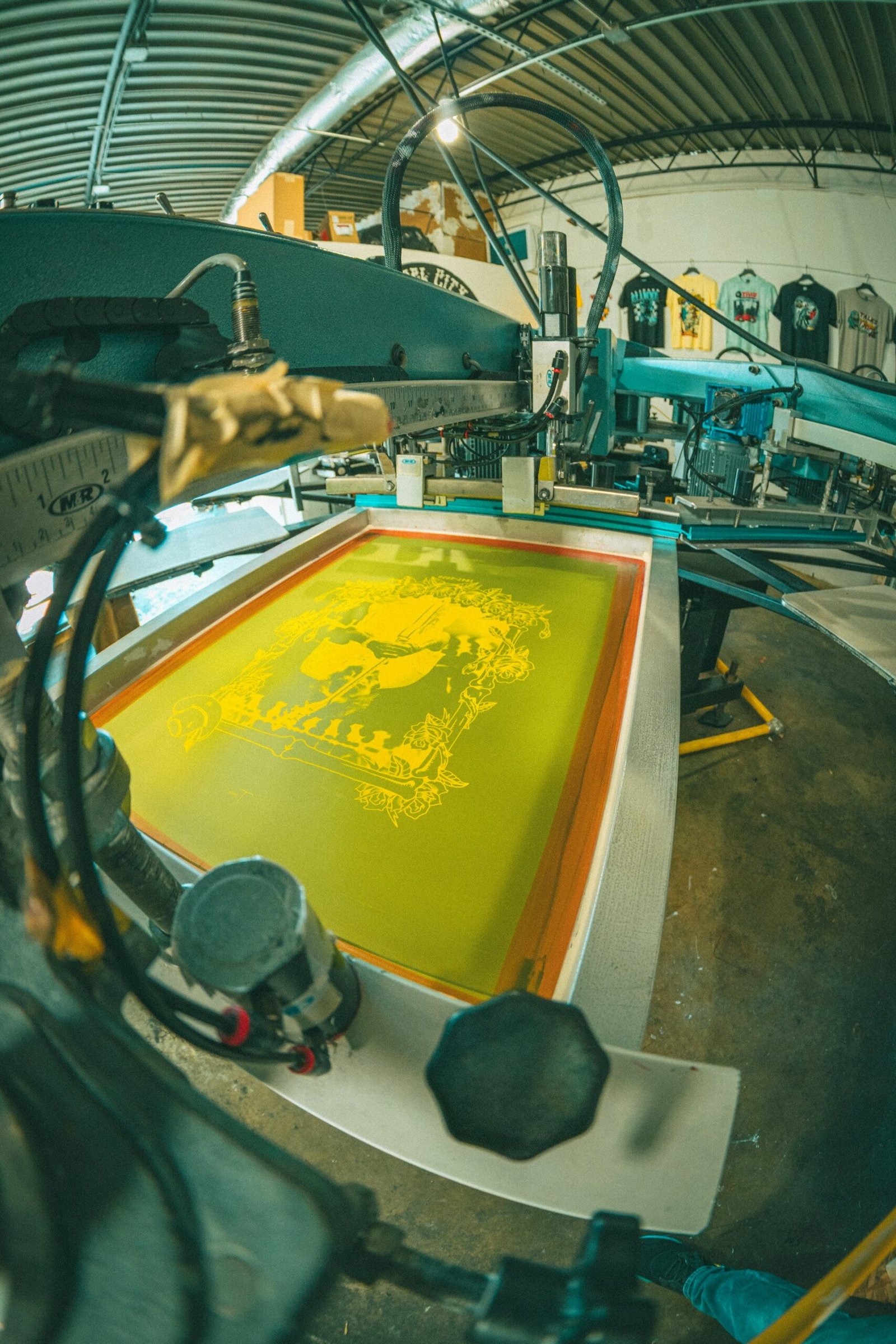
Screen printing starts with a stencil on a fine mesh screen. Each colour in the design needs its own screen. The printer then pushes ink through each screen, layer by layer, onto the garment.
DTG vs Screen Printing Compared
| Factor | DTG | Screen printing |
|---|---|---|
| Setup cost | Very low, no screens needed | Higher, one screen per colour |
| Minimum order | From one piece | Varies by shop, often a few dozen pieces |
| Cost at volume | Stays roughly the same per piece | Drops sharply as quantity rises |
| Colours | Unlimited, including gradients and photos | Each extra colour adds cost |
| Feel | Soft, ink sits in the fabric | Ink sits on top, slightly thicker |
| Durability | Good for everyday wear | Excellent, even after heavy washing |
| Best fabrics | Cotton and high-cotton blends | Most fabrics, including blends |
Cost and Minimum Orders
Cost is usually the deciding factor. Screen printing has a fixed setup cost for every screen. Once those screens are ready, though, each extra shirt costs very little to print.
DTG works the other way around. There is almost no setup, but the price per piece stays fairly flat. Therefore, DTG is usually cheaper for small runs, while screen printing becomes cheaper as your order grows.
Print Quality and Durability
DTG handles detail better. Photos, gradients and many colours print at no extra cost. That makes it ideal for artistic or illustrated designs.
Screen printing, on the other hand, produces bold, opaque colours that last. According to Printful, screen prints generally outlast DTG prints under heavy, repeated washing. For core logos and best sellers, that durability matters.
Which Method Should Your Brand Choose
The answer often changes as your brand grows. Many brands follow a simple path:
- Starting out: use DTG or print on demand to test designs without stock
- Proven designs: move best sellers to screen printing once you can order in larger batches
- Mixed fabrics or full colour: consider DTF printing as a middle ground
In short, let your sales data decide. A design that keeps selling deserves the lower cost and longer life of screen printing. Our guide to test designs explains how to find those winners first.
Frequently Asked Questions about DTG vs Screen Printing
DTG prints a design digitally into the fabric, one garment at a time. Screen printing pushes ink through a separate screen for each colour, which makes it cheaper and more durable at volume.
DTG is usually cheaper for small runs because it needs no screens. Screen printing becomes cheaper per piece as order quantities grow.
Screen printing generally lasts longer, especially after many washes. DTG prints still hold up well for everyday wear when cared for properly.
Technically yes, but it is rarely worth it. The setup cost of the screens makes single pieces expensive, which is why many shops set a minimum order.
Yes, but dark garments need a pretreatment first. This helps the white ink base stick, so colours stay bright.