12 Lebanese Clothing Brands Worth Knowing (2026)
Lebanese clothing brands built something rare: a couture industry that rivals Paris, run almost entirely from Beirut. Elie Saab opened his first atelier during the country’s civil war and still dresses royalty from that same city today. Zuhair Murad and Georges Hobeika followed similar paths, training briefly abroad before building their houses at home. That resilience under repeated crisis, war, economic collapse, and the 2020 port explosion, is what makes Lebanese fashion genuinely distinct rather than just glamorous.
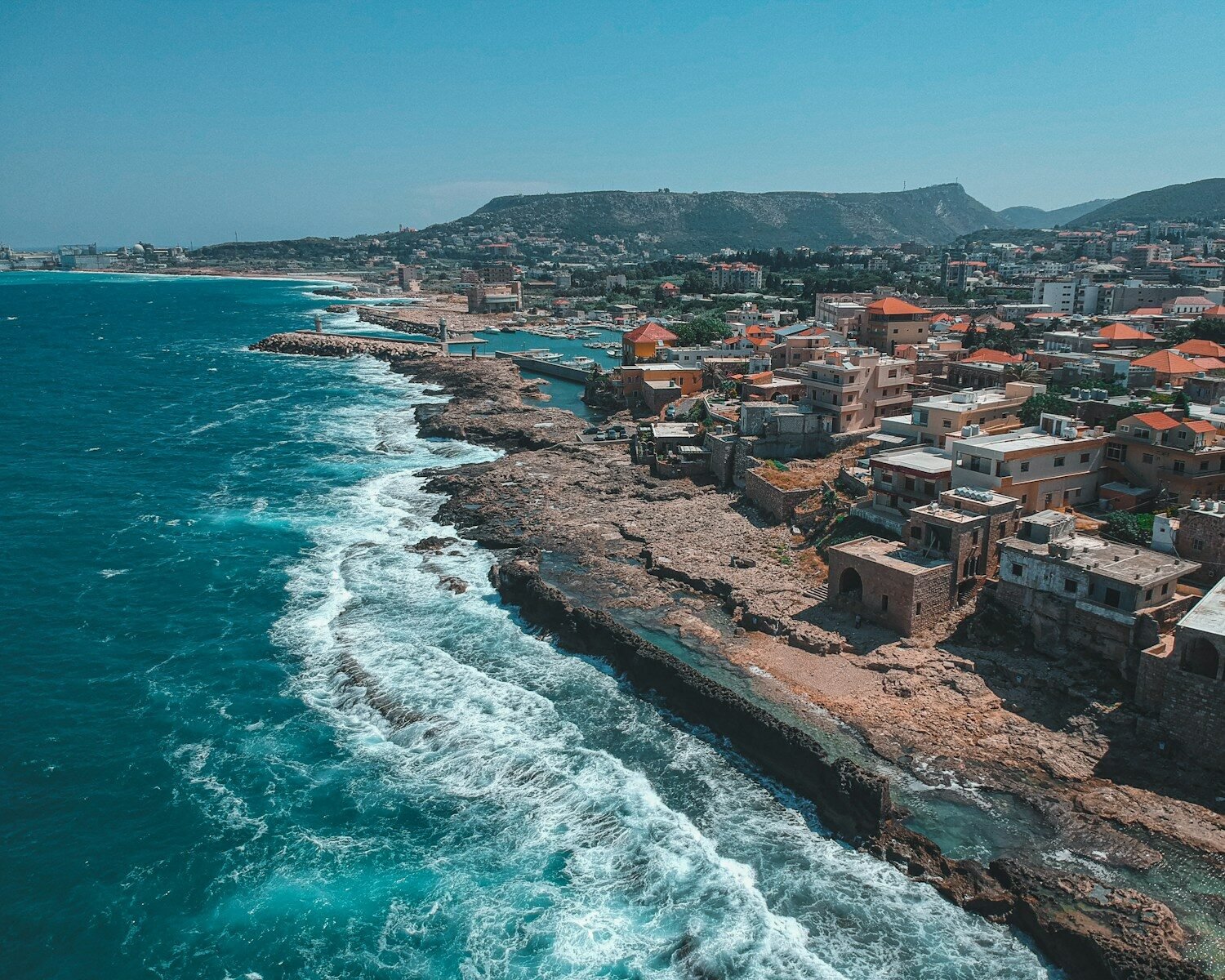
Beirut anchors almost the entire industry, from red-carpet couture houses to a newer generation working in upcycled and sustainable fashion. Compared with Turkey or the UAE, Lebanon’s fashion identity leans almost entirely on couture and eveningwear rather than retail scale or streetwear volume. Many of the country’s biggest names still keep their main ateliers in Beirut even after opening Paris showrooms, a deliberate choice that keeps production and craft close to home.
Lebanese Clothing Brands Overview
Here’s a quick overview of the twelve Lebanese brands featured in this guide, from the country’s most globally recognized couturier to a newer wave of sustainable labels.
- Elie Saab – Beirut couture house since 1982, known worldwide for red-carpet gowns.
- Georges Hobeika – Beirut couture house since 1995, a fixture of Paris Fashion Week for over two decades.
- Zuhair Murad – Beirut and Paris couture house since 1997, known for intricate beadwork and glamour.
- Basil Soda – Beirut couture label since 2000, a red-carpet name whose legacy continues under family leadership.
- Sarah’s Bag – Beirut accessories brand and social enterprise since 2000, training underprivileged women in craft.
- Nemer Saadé – Beirut couture and menswear house since the early 2000s, known for military-inspired tailoring.
- Maison Rabih Kayrouz – Beirut-rooted couture house since 1998, later expanded into an official Paris maison.
- Krikor Jabotian – Beirut couture atelier since 2009, a family-run house known for signature embroidery.
- Rami Kadi – Beirut couture house since 2011, known for bold color and international red-carpet reach.
- Roni Helou – Beirut label since 2017, built on repurposed materials and sustainable ready-to-wear.
- Emergency Room – Beirut slow fashion label since 2018, built on upcycled deadstock and vintage material.
- The Concept – Beirut lifestyle brand since 2019, later spawning a couture label that reached Paris Fashion Week.
Lebanese Clothing Brands
Elie Saab
Location: Beirut, Lebanon
Founded: 1982
Price level: luxury
Product type: haute couture, ready-to-wear
Style: opulent, feminine
Website: eliesaab.com
Instagram: @eliesaabworld
Elie Saab opened his first atelier in Beirut at just 18, in the middle of Lebanon’s civil war, employing around 15 workers to make bridal gowns. His international break came in 1997 with a debut in Rome, followed by global recognition when Halle Berry wore his gown to accept her Academy Award. Saab became the first non-Italian member of Milan’s Camera Nazionale della Moda and later the first Arab admitted to the Chambre Syndicale de la Haute Couture in Paris. His Beirut atelier still employs roughly 250 artisans, preserving embroidery techniques passed down through generations. Elie Saab remains Lebanon’s clearest proof that a couture house built during wartime can still become genuinely global.
Georges Hobeika
Location: Beirut, Lebanon
Founded: 1995
Price level: luxury
Product type: haute couture, bridal
Style: romantic, detailed
Website: georgeshobeika.com
Instagram: @georgeshobeika
Georges Hobeika trained in civil engineering and architecture before the Lebanese Civil War pushed him to Paris, where he interned at several fashion houses. He returned home to open his first atelier in Beirut in 1995, then made his Paris runway debut in 2001. Every biannual Paris Fashion Week since has included a Hobeika couture collection, even as the brand’s headquarters stayed in Beirut. In 2022, his son Jad Hobeika joined as Co-Creative Director, extending the house into a second generation. Georges Hobeika proves a Lebanese couture house can maintain a Paris presence for over two decades without ever relocating its base.
Zuhair Murad
Location: Beirut, Lebanon and Paris, France
Founded: 1997
Price level: luxury
Product type: haute couture, bridal
Style: glamorous, beaded
Website: zuhairmurad.com
Instagram: @zuhairmuradofficial
Zuhair Murad opened his first atelier in Beirut in 1997, building a private client list before making his Paris Haute Couture Week debut in 2001. His signature beading and glamorous gowns caught on fast, leading to a dedicated Paris maison by 2007 alongside the original Beirut studio. In 2012, the Chambre Syndicale de la Haute Couture et de la Mode elected him a guest member of the official couture calendar. The house now runs showrooms and boutiques from Kuwait to Istanbul while keeping design and production rooted in Beirut and Paris together. Zuhair Murad shows how a Lebanese house can build genuinely dual headquarters rather than simply relocating for prestige.
Basil Soda
Location: Beirut, Lebanon
Founded: 2000
Price level: luxury
Product type: haute couture, ready-to-wear
Style: architectural, dramatic
Website: basilsoda.com
Instagram: @basilsodaofficial
Basil Soda trained in architecture before spending four years working under Elie Saab, then launched his own couture label in 2000. His designs deliberately juxtaposed strength and fragility, dressing Hollywood names including Emily Blunt and Marion Cotillard for the red carpet. The brand opened a three-floor Beirut showroom in 2008, built with an in-house atelier of more than 60 employees. Soda passed away in 2015, and the house has continued under family leadership since, still showing ready-to-wear collections regionally. Basil Soda remains a reminder that Lebanon’s couture scene runs on institutional knowledge that outlasts any single designer.
Sarah’s Bag
Location: Beirut, Lebanon
Founded: 2000
Price level: high
Product type: bags, accessories
Style: handcrafted, artisanal
Website: sarahsbag.com
Instagram: @sarahsbagofficial
Sarah Beydoun launched her label after conducting sociology fieldwork at a Beirut NGO that supports women at risk and former prisoners. She built the brand specifically to train and employ the women she met there, turning craft skills into financial independence. Today, more than 200 women hand-bead and hand-embroider every piece, some of whom have worked with the brand since it launched in May 2000. Chloé began collaborating with Sarah’s Bag in 2022, bringing a mainstream luxury partner into a genuinely social enterprise model. Sarah’s Bag shows that a sustainable clothing brand can be built around people first and product second.
Nemer Saadé
Location: Beirut, Lebanon
Founded: 2003
Price level: high
Product type: couture, menswear
Style: tailored, military-inspired
Website: nemersaade.com
Instagram: @nemersaade
Nemer Saadé trained at ESMOD in Beirut before launching his eponymous couture house, quickly gaining attention through fashion shows broadcast on regional television. His menswear leans toward precise, military-inspired tailoring, a style that led the former British Ambassador to Lebanon to purchase a high-fashion uniform piece for himself. That combination of formal couture technique and menswear specificity sets Saadé apart from Lebanon’s mostly womenswear-focused couture scene. In 2021, he expanded into traditional Gulf thob collections, broadening his reach into a garment category most Lebanese houses ignore entirely. Nemer Saadé fills a menswear gap in an industry otherwise built almost entirely around eveningwear and bridal.
Maison Rabih Kayrouz
Location: Beirut, Lebanon (Paris maison since 2008)
Founded: 1998
Price level: luxury
Product type: haute couture
Style: minimalist, fluid
Website: maisonrabihkayrouz.com
Instagram: @rabihkayrouz
Rabih Kayrouz trained at Chanel and Dior in Paris before returning to Beirut in 1998 to build a reputation designing wedding and evening gowns for Lebanese high society. He returned to Paris in 2008 to open his own house, choosing a former theater space that once staged the debut of Waiting for Godot. His minimalist, fluid draping favors seamless construction over heavy embellishment, a deliberate contrast to the beaded maximalism common among his Lebanese peers. Kayrouz also founded the Starch Foundation, a nonprofit that has since launched the careers of designers including Krikor Jabotian and Rami Kadi. Maison Rabih Kayrouz shows how one Beirut-trained designer built both a personal house and an entire pipeline for the next generation.
Krikor Jabotian
Location: Beirut, Lebanon
Founded: 2009
Price level: high
Product type: couture, bridal
Style: embroidered, classical
Website: krikorjabotian.com
Instagram: @krikorjabotian
Krikor Jabotian worked briefly in Elie Saab’s creative department after graduating from ESMOD Beirut, developing a genuine appreciation for embroidery he had previously disliked. The Starch Foundation, founded by Rabih Kayrouz, gave him his first platform to show independent work under his own name. At just 23, Jabotian set up his own atelier in Beirut’s Ashrafieh district, and the business grew into a family-run operation with his parents and sister. His Armenian heritage regularly surfaces in his collections, drawing on legend and traditional Lebanese headdress details reinterpreted through couture technique. Krikor Jabotian represents the generation of Beirut designers who trained under the city’s established houses before building their own.
Rami Kadi
Location: Beirut, Lebanon
Founded: 2011
Price level: high
Product type: couture, bridal
Style: colorful, dramatic
Website: rami-kadi.com
Instagram: @ramikadiofficial
Rami Kadi launched his showroom and first Beirut atelier in 2011 at just 25, then made his official Paris Couture Week debut in 2014. Kendall Jenner wearing his design to a Vanity Fair Oscars party pushed the brand onto a genuinely global stage soon after. The 2020 Beirut port explosion left his atelier shattered with broken glass, yet Kadi responded within weeks by launching feminist-embroidered T-shirts to raise money for affected families. Celebrities including Shakira and Jennifer Lopez bought pieces specifically to support Lebanon’s recovery. Rami Kadi shows how a Beirut couture house can turn a national tragedy into a direct, product-driven response rather than pausing operations entirely.
Roni Helou
Location: Beirut, Lebanon
Founded: 2017
Price level: high
Product type: ready-to-wear
Style: sculptural, sustainable
Website: ronihelou.com
Instagram: @ronihelou
Roni Helou built his label around repurposed materials and powerful, sculptural silhouettes rather than the beaded eveningwear that defines most Lebanese couture. Sustainability and local empowerment sit at the center of the brand’s identity, not as an add-on to an existing luxury formula. That positioning appeals to a younger customer base looking for Lebanese design without the traditional red-carpet gown format. The brand’s forward-thinking construction has built a genuine following among buyers who want statement pieces with a clear point of view. Roni Helou represents Lebanon’s newer generation building fashion around values first, glamour second.
Emergency Room
Location: Beirut, Lebanon
Founded: 2018
Price level: high
Product type: ready-to-wear
Style: upcycled, experimental
Website: emergencyroombeirut.com
Instagram: @emergencyroom_beirut
Eric Mathieu Ritter launched Emergency Room in 2018 out of frustration with fashion’s production model, building the brand entirely around deadstock fabric and vintage material. Every piece gets produced through workshops and cooperatives across Lebanon, deliberately spreading the work across different local artisans rather than one central factory. The brand later added Overworked, a sister label using thrifted and upcycled pieces to make sustainable fashion more affordable. Emergency Room showed a Sursock Palace collection in Beirut and presented at Dubai Fashion Week, proving streetwear-adjacent, upcycled fashion can hold its own next to Lebanon’s couture houses. Ritter also directs the fashion design department at Beirut’s Académie Libanaise des Beaux-Arts, extending his approach into the next generation of designers.
The Concept
Location: Beirut, Lebanon
Founded: 2019
Price level: contemporary
Product type: womenswear, accessories
Style: feminine, artistic
Website: theconceptofficial.com
Instagram: @theconceptofficial
Sisters Aleen and Natalie Sabbagh founded The Concept in 2019 as an everyday luxury lifestyle label, built around hand-drawn printed textiles and locally produced pieces. The brand grew fast enough that the sisters built their own manufacturing facility in Lebanon to keep up with demand. That success gave Aleen Sabbagh the platform to launch a separate couture house under her own name, which debuted at Paris Fashion Week in 2025. The Concept itself stayed focused on wearable, everyday pieces rather than following its founder into full couture. It shows how a contemporary lifestyle brand can function as a launchpad into Lebanon’s couture scene rather than a competitor to it.
Other Notable Lebanese Clothing Brands
- Aleen Sabbagh – Beirut couture house since 2023, an offshoot of The Concept that debuted at Paris Fashion Week.
- Overworked – Beirut and Tripoli streetwear label built on thrifted, upcycled clothing and denim.
- Lebanon Apparel – Heritage-driven streetwear brand built around Lebanese cultural pride and diaspora identity.
- Aquí Beirut – Limited-quantity luxury label producing a handful of pieces per design.
- Boshies – Beirut-based casual wear brand known for youthful, inclusive Arab streetwear.
Frequently Asked Questions about Lebanese Clothing Brands
Elie Saab is Lebanon’s most internationally recognized name, famous for red-carpet gowns and a Beirut atelier running since 1982. Zuhair Murad and Georges Hobeika follow closely behind, both known for beaded couture and regular presence at Paris Fashion Week. All three still keep their main ateliers in Beirut even after opening Paris showrooms.
Beirut developed a couture-focused fashion scene rather than a mass retail one, built around bridal and eveningwear for a wealthy regional clientele. Designers like Elie Saab and Georges Hobeika started by dressing Lebanese and Middle Eastern high society before expanding internationally. That local demand for elaborate occasion wear gave Beirut’s ateliers the training ground that eventually produced globally recognized couture houses.
Emergency Room and Roni Helou both center their work on sustainability, using deadstock fabric, upcycled material, and repurposed pieces instead of new production. Both brands emerged after Lebanon’s economic crisis made sourcing new materials genuinely difficult. Sarah’s Bag applies a related model to accessories, training underprivileged women in craft rather than focusing purely on sustainable materials.
Many ateliers, including Rami Kadi’s, were damaged directly by the blast, which struck central Beirut where much of the fashion industry is based. Kadi responded by launching feminist-embroidered T-shirts within weeks to raise money for affected families. Sarah’s Bag also lost its boutique and artisan homes in the explosion, despite being over a kilometer from the blast site. The event pushed several brands toward faster, more direct community response rather than a typical fashion week rebuild.
Emergency Room and its sister label Overworked represent the clearest streetwear-adjacent presence, both built on upcycled and thrifted material out of Beirut and Tripoli. The Concept and Roni Helou occupy a more contemporary lifestyle space, positioned well outside the country’s traditional couture format. These brands show Lebanon’s fashion identity extends beyond red-carpet gowns into younger, values-driven categories.