Pre-Order vs Full Inventory: Which Business Model Fits Your Brand
You’ve outgrown print on demand. Your designs sell, your margins feel too thin, and you’re ready to order in bulk. Now you face a real decision: let customers fund production through pre-order, or take the leap into full inventory with your own capital.
Both models beat print on demand on margin and quality control. They differ sharply on risk, speed, and how much cash you need up front. This guide compares them directly so you can choose the right one for where your brand actually is right now.
The Core Difference: Who Funds Production
Every business model in clothing comes down to one question: who pays first, you or your customer? Print on demand answers that by producing nothing until an order comes in. Pre-order and full inventory both involve bulk production, but they split the payment timing very differently.
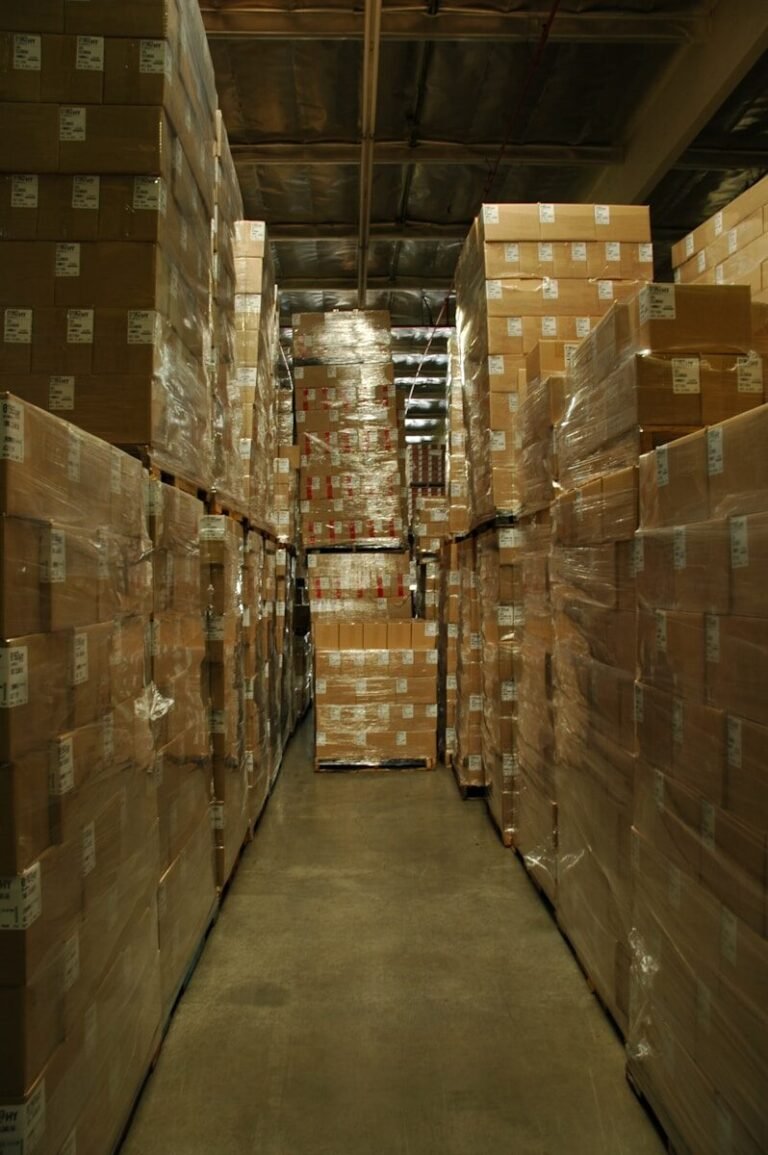
With pre-order, customers pay before you place your bulk order. Their money funds the production run, so you never risk your own capital on stock that might not sell. With full inventory, you pay the manufacturer first, hold finished stock in your own warehouse or fulfillment center, and ship the moment someone buys.
Pre-Order vs Full Inventory at a Glance
- Who funds production: pre-order uses customer payments; full inventory uses your own capital upfront.
- Typical net margin: pre-order runs 35 to 45 percent; full inventory runs 40 to 50 percent once you factor in bulk pricing.
- Customer wait time: pre-order delivers in 6 to 8 weeks; full inventory ships within 1 to 3 days.
- Upfront cash needed: pre-order needs €500 to €2,500 for samples and marketing; full inventory needs €3,000 or more to buy your first stock run.
- Financial risk: pre-order carries almost none, since you only produce what’s paid for; full inventory carries real risk if a design underperforms.
Margins Compared
Full inventory wins on margin, and the reason is simple. Bulk orders placed without a pre-order deadline give you more room to negotiate price with manufacturers. You are not paying for the rush production that pre-order campaigns often require to hit an 8-week promise.
That said, the margin gap between the two models is smaller than most founders expect, usually only 5 to 10 percentage points. If you want the exact formula for calculating your own numbers before committing to either model, our guide on POD profit margins walks through the calculation, and the same logic applies once you move past print on demand.
Speed and Customer Experience
This is where full inventory clearly wins. Shipping within 1 to 3 days keeps customers happy and reduces cart abandonment. Modern shoppers compare your delivery time to same-day and next-day giants, and an 8-week wait feels increasingly out of step with that expectation.
Pre-order asks something different of your customers. It asks them to trust you before they receive anything. That trust has to be earned through consistent communication, clear timelines, and a track record of delivering what you promised. Brands with an engaged, loyal audience can pull this off repeatedly. Brands still building that trust often struggle to convert cold traffic into pre-order buyers.
Risk and Capital Required
Full inventory is where real financial risk enters the picture. You are betting your own money that a design will sell through before it becomes dead stock sitting in a warehouse. Holding unsold inventory is expensive in ways beyond the initial purchase. Carrying costs, including storage, insurance, and the opportunity cost of tied-up cash, typically run 20 to 30 percent of a product’s value per year (Wikipedia).
Pre-order removes almost all of that risk. You only produce what customers have already paid for, so there is no leftover stock to store or discount. The tradeoff is operational: you take on weeks of campaign management, customer communication, and manufacturer coordination that full inventory does not require once your reorder system is set up. Our guide on stock management covers what that ongoing system actually looks like.
Which Model Fits Your Brand Right Now
Choose pre-order if you have an engaged audience but limited savings, and you want to validate bulk demand before risking your own capital. This is the natural next step after proving a design through print on demand.
Choose full inventory if you already have 2 to 3 successful pre-order campaigns behind you, real savings to invest, and customers who consistently mention wanting faster shipping. At that point, the extra margin and the speed both start to matter more than the safety net pre-order provides.
The Hybrid Approach
Most established brands don’t pick one model forever. They hold full inventory for proven, evergreen styles like their core tees and hoodies, then use pre-order for seasonal collections or limited colorways where demand is less certain.
This hybrid setup gives you the best of both. Fast shipping and better margins on the styles you know will sell, and low-risk validation for anything new you’re still testing.
Frequently Asked Questions About Pre-Order vs Full Inventory
Pre-order is usually the better starting point for a new brand, since it removes the financial risk of unsold stock. Full inventory makes more sense once you have proven demand through 2 to 3 successful pre-order campaigns and have the capital to invest without financial stress.
Pre-order typically nets 35 to 45 percent margin, while full inventory nets 40 to 50 percent once bulk pricing is factored in. The gap is usually only 5 to 10 percentage points, so margin alone rarely decides which model is right for a brand.
Most brands need at least 3,000 euros to place a meaningful first bulk order, though this varies with garment type and order size. Compare that against your available savings and your confidence in the design’s proven sell-through before committing.
Yes, and many established brands do exactly this. They hold full inventory for proven, evergreen styles that sell year-round, and use pre-order for seasonal collections or limited colorways where demand is less certain.
The biggest risk is dead stock: unsold inventory that ties up cash and costs money to store while it depreciates in relevance. Carrying costs for unsold inventory typically run 20 to 30 percent of the product’s value per year, which can quickly erase any margin advantage full inventory offers.