
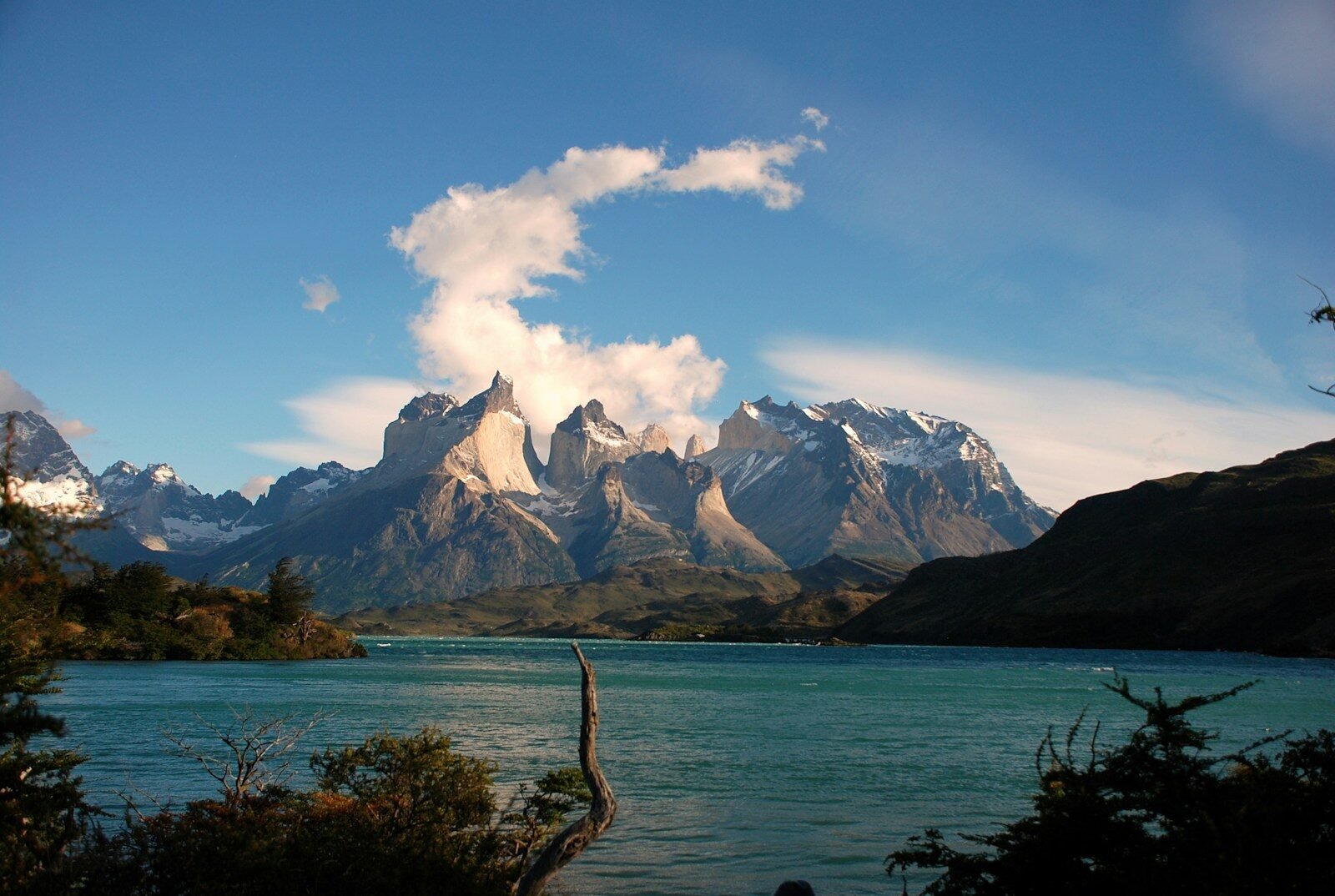
How to Create an Outdoor Clothing Brand
An outdoor clothing brand is more than jackets, boots, or gear. It is about adventure, durability, and connection to nature. Customers want to feel prepared, confident, and inspired when they explore the outdoors.
Building a strong outdoor brand means creating associations with exploration, performance, and environmental respect. That makes it one of the most demanding types of clothing brands to get right. This guide focuses on branding and marketing, with examples and actionable tips for creating those associations.
What Outdoor Brand Development Involves
Outdoor brand development is the process of turning a product idea into a recognizable identity that customers trust before they even see the gear. It moves through a handful of connected stages. You define a strategy, build an identity and shape a story. Then you market that story consistently and grow without losing what made the brand distinct. Each stage in this guide builds on the one before it.
Define Your Brand Strategy
Brand strategy is the foundation of an outdoor brand. It determines the emotions, lifestyle, and identity your audience associates with your products. Every visual, message, and interaction should support this identity.
Here’s how to create that association:
- Product choices: focus on functional, durable, and weather-resistant clothing, such as waterproof jackets, insulated layers, and rugged footwear
- Visual storytelling: use locations like mountains, forests, and trails to showcase the adventurous lifestyle
- Lifestyle context: highlight activities such as camping, kayaking, or trail walks, the everyday world of a hiking clothing brand
- Community engagement: collaborate with outdoor influencers, guides, and adventure enthusiasts to build credibility and trust
Patagonia is a strong example. The brand does not just sell outerwear garments. It conveys adventure, environmental responsibility, and a connection to nature. Every campaign, product, and initiative reinforces that promise.
Craft a Strong Brand Identity
Outdoor brand identity communicates reliability, performance, and connection to the natural world.
Visual Identity
- Logo designs: simple, rugged, and nature-inspired to reflect the outdoor lifestyle
- Color palettes: natural tones such as greens, browns, blues, and earth shades
- Packaging: functional and eco-friendly, reflecting the brand’s environmental values
Tone of Voice
- Messaging: authentic, encouraging, and adventurous
- Social captions and descriptions: focus on exploration, performance, and inspiration
- Language: reinforces durability, environmental respect, and the adventurous lifestyle
Build Your Brand Story
A compelling brand story connects your brand to the outdoor lifestyle and inspires exploration.
- Origin: share the founding story, for example a personal love for nature or the desire to create better outdoor gear
- Mission: highlight the brand’s commitment to adventure, sustainability, and community
- Lifestyle promise: communicate the feeling customers get from your products, such as confidence, safety, and inspiration
Brands like The North Face use storytelling to connect with audiences. Their campaigns emphasize real adventures, exploration, and the emotional experience of outdoor activity.
Marketing Your Outdoor Brand
Marketing should immerse your audience in the world of adventure and exploration.
- Social media presence: showcase real outdoor activities, user-generated content, and adventure storytelling
- Influencer and ambassador partnerships: collaborate with outdoor guides, explorers, and athletes who embody your brand
- Content marketing: provide guides, tips, and stories to educate and inspire customers
- Events and experiences: organize hikes, camping trips, or bouldering sessions, the way a climbing clothing brand builds community
- Limited editions and collaborations: create special collections that reinforce performance and adventure values
Sustainability in Outdoor Branding
Sustainability carries more weight in outdoor branding than in most other categories, because your customers spend time in the environments your products claim to respect. Vague eco-friendly language does not hold up under that scrutiny. Independent certifications like bluesign audit fabric mills and chemical suppliers. They give outdoor brands a way to back up claims with proof customers can verify.
Responsible sourcing, recycled or certified materials, and transparent supply chain communication should be brand pillars, not marketing afterthoughts. Outdoor brands that think like a true sustainable clothing brand from the start earn more credibility than those that add a green campaign later.
Creating a Cohesive Experience
Consistency across all touchpoints builds trust and strengthens the association with outdoor exploration.
- Store and product presentation: reflect ruggedness and adventure through imagery and product storytelling
- Packaging and unboxing: functional, durable, and eco-conscious packaging reinforces brand values
- Customer interactions: communicate authentically, providing support and encouragement for outdoor activities
Rebranding and Building Brand Awareness for Outdoor Companies
Established outdoor companies sometimes need to rebrand. The identity may feel outdated, or the brand may have grown beyond its founding niche, for example into city-focused techwear. A rebrand should keep the core promise customers already trust, while updating the visual identity, tone, or product focus. Rebranding without preserving that trust risks alienating the loyal customers who built the brand.
Arc’teryx shows how that balance can work. The brand kept its technical credibility while its designs found a second life as everyday city style.
Brand awareness for an outdoor company grows fastest when it is tied to a clear brand positioning. That is the distinct place a brand holds in the customer’s mind. Repeating one clear position is what turns impressions into recognition over time, rather than trying to appeal to every type of outdoor customer at once.
Growing Your Outdoor Brand
Focus on reliability, adventure, and environmental commitment as you expand.
- Collaborations: align with ethical influencers, outdoor communities, and relevant brands
- Storytelling: remain consistent, emphasizing exploration, performance, and environmental care
- Seasonal collections: winter capsules keep excitement high and are the backbone of any ski clothing brand
An outdoor clothing brand is about inspiring exploration, building trust, and connecting people to nature. When done well, your brand becomes more than gear. It becomes a lifestyle, a community, and a trusted companion for adventure.
Frequently Asked Questions about Outdoor Clothing Brand Development
Outdoor brand development is the process of building a recognizable identity for an outdoor clothing brand. It moves through brand strategy, visual identity, brand story, marketing, and growth, so every touchpoint reinforces the same promise.
Outdoor clothing brands usually focus on one activity or a broader lifestyle. Common specializations are hiking, climbing, and skiing, while lifestyle-driven outdoor brands also sell to people who wear technical gear in the city.
Effective outdoor branding connects product choices, visual storytelling, and messaging to a specific lifestyle association, such as adventure, durability, or environmental respect. It stays consistent across every campaign and touchpoint.
Brand awareness grows fastest when it is tied to a clear brand positioning and repeated consistently across content, partnerships, and campaigns, rather than trying to appeal to every type of outdoor customer at once.
A rebrand should update the visual identity, tone, or product focus while preserving the core qualities customers already trust, so loyal customers are not alienated in the process.
Sustainability carries significant weight in outdoor branding because customers use the products in the environments the brand claims to respect. Independent certifications like bluesign help outdoor brands back up sustainability claims credibly.
Brand positioning is the distinct place a brand occupies in a customer’s mind relative to competitors. For outdoor companies, it usually centers on a specific combination of performance, lifestyle, and values that the brand consistently reinforces.
