Ralph Lauren: From a Bronx Tie Salesman to a Global Lifestyle Empire
Ralph Lauren built one of fashion’s most recognizable empires without ever putting a garment on the runway that screamed for attention. What started in 1967 as a single line of neckties, sold out of a drawer in a showroom in the Empire State Building, grew into a company that today spans apparel, home goods, fragrance and hospitality across nearly every major market in the world.
For clothing brand owners, the interesting part of this story is not the tweed jackets or the polo shirts. It is the decisions behind them: how a designer with no formal training turned a personal aesthetic into a licensing machine, why he refused a deal that would have erased his own name, and how American fashion came to be defined, in large part, by his version of it.
From Bronx Tie Salesman to Founder of an American Icon
Ralph Lauren was born Ralph Lifshitz in the Bronx, the son of a housepainter, and had no design training when he started working as a necktie salesman in Manhattan. What he had instead was a clear, stubborn idea of what he wanted to see on people, and the confidence to bet on it before anyone else agreed with him. According to Britannica, he convinced tie manufacturer Beau Brummell to produce his designs under the name Polo in 1967, and his first year in business brought in roughly half a million dollars in sales.
The Loan and the Showroom Drawer
Lauren funded his first line with a loan from his brother and worked out of a single drawer in a shared Empire State Building showroom, personally delivering ties to the stores that agreed to stock them. It is a useful reminder for any new clothing brand: the operation behind an aspirational label can start extremely small, as long as the product and the point of view are not.
Refusing to Remove His Name
One early moment set the tone for everything that followed. Bloomingdale’s, then the store every young designer wanted to crack, agreed to carry Lauren’s ties on one condition: he had to narrow them and drop his own label in favor of the store’s. Lauren said no. He wanted the buyer badly, but not enough to sell a version of the product that was not really his. Bloomingdale’s came back and stocked the ties his way. That single decision, protecting the brand over the deal, is arguably the most useful lesson in this entire case study.
Building a Lifestyle, Not Just a Wardrobe
Ralph Lauren rarely sold individual products so much as a version of a life: East Coast estates, polo fields, Ivy League campuses, old money leisure. Every collection, advertisement and store interior was built to reinforce that same fantasy, whether the item for sale was a dress shirt, a bath towel or a paint color.
The Polo Shirt as a Cultural Symbol
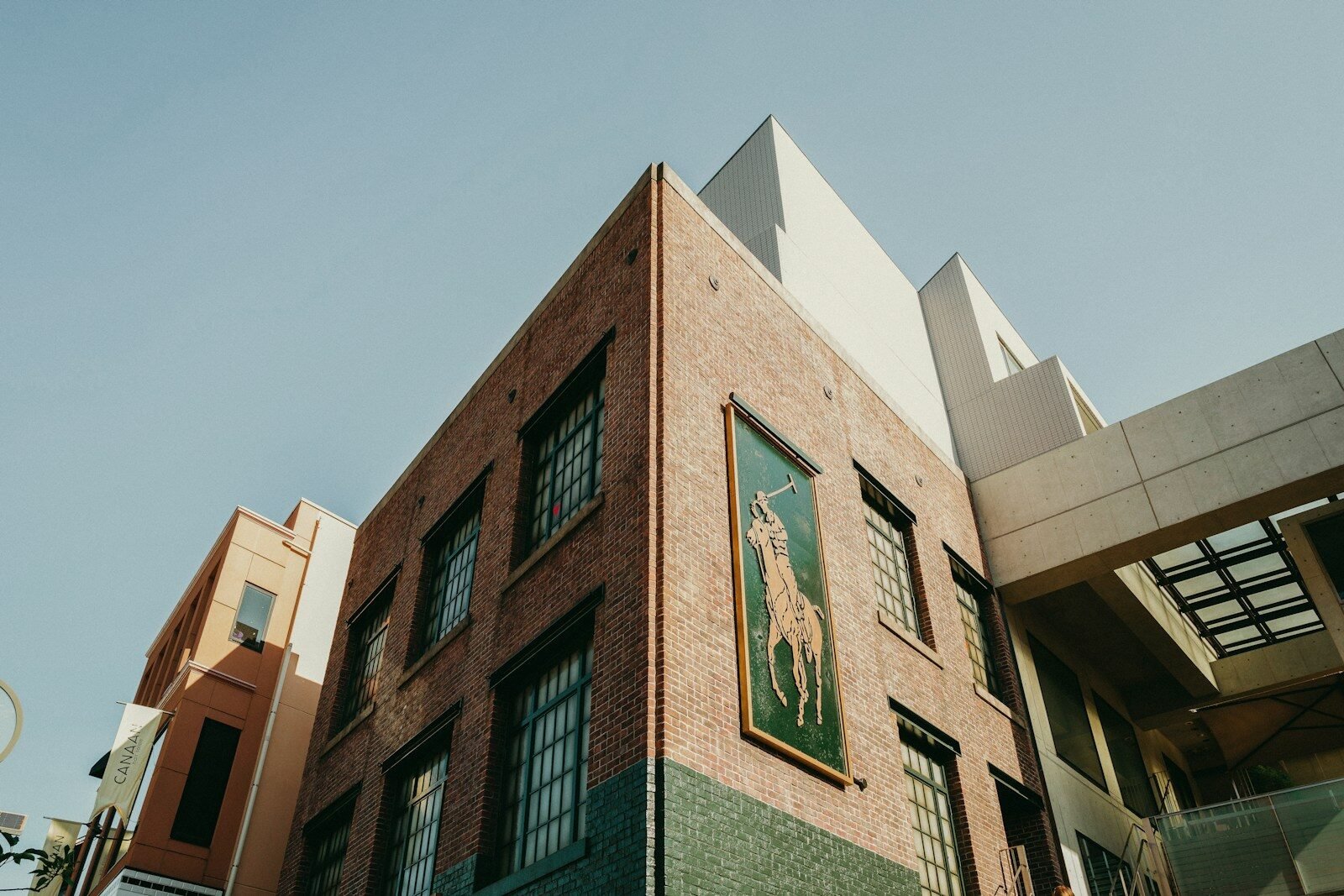
The pony logo first appeared in 1971 on the cuff of a women’s shirt, but it was the 1972 mesh Polo shirt that turned it into a cultural shorthand. The shirt fit better than the plain cotton piqué styles it competed with and came in a wide color range, which helped it become an instant favorite among fans that reportedly included Frank Sinatra. Almost overnight, a small embroidered horse and rider became one of the most recognized logos in American fashion, doing more to sell the Ralph Lauren lifestyle than any single advertising campaign.
Selling a Fantasy of Old Money America
Lauren’s genius was not in inventing this aesthetic but in packaging it and selling it to people who had never set foot on a polo field. His marketing consistently sold access to a world, not a garment, and that emotional promise is what let the brand charge a premium and expand into categories that had nothing to do with clothing at all, from paint to china to hotel suites.
The Power of the Licensing Model
What separates Ralph Lauren from most designer-led labels of its era is how early and how aggressively it embraced licensing. Instead of manufacturing every product in-house, the company partnered with specialist manufacturers and licensees for categories like fragrance, eyewear and home furnishings, each operating under strict design guidelines set by Lauren’s team.
Turning a Design House Into a Licensing Machine
This approach let the brand scale far faster than it could have by building factories and supply chains for every category itself, a business model more clothing founders should study before assuming that growth always means doing everything in-house. The company later brought several of these licenses back under direct control as it matured, but the early licensing years were what funded the expansion beyond neckwear in the first place.
Risks of Licensing: Brand Dilution
Licensing is not free of risk. Handing design or production control to a partner, whether that partner is a licensee or one of the clothing manufacturers a brand works with directly, only works if the guidelines are strict and consistently enforced. Ralph Lauren protected its aesthetic by keeping tight creative oversight over every licensed category, which is the part smaller brands most often skip when they chase quick expansion.
Consistency Across Every Category
Sportswear, formalwear, home textiles, fragrance: on paper these are unrelated product categories with different manufacturing processes and different customers. Ralph Lauren treated them as one continuous story instead, applying the same color palettes, the same references to East Coast heritage and the same level of restraint across all of them.
One Aesthetic, Dozens of Product Lines
That discipline is what makes a Ralph Lauren bath towel instantly recognizable next to a Ralph Lauren blazer, even though the two products share almost nothing in terms of production. For a smaller label, the takeaway is not to copy the aesthetic but to copy the discipline: define a small set of rules for color, materials and tone in your own branding, then apply those rules to every product and every channel without exception.
Going Public and Scaling Globally
Ralph Lauren Corporation listed on the New York Stock Exchange in June 1997, turning a privately held design house into a public company with quarterly earnings to answer for. Going public gave the brand the capital to open flagship stores, expand internationally and acquire licenses it had previously outsourced, while adding the pressure of shareholder expectations to a business that had, until then, run largely on one man’s taste.
What Comes After the Founder
Decades after that IPO, the company is still working through a question every founder-led brand eventually faces: what happens once the founder is no longer running daily operations. Fortune has described this transition as one of the more difficult stretches in the company’s history, as new leadership works to modernize the brand for younger shoppers without losing the heritage identity that built it. Heritage brands like Carhartt and Patagonia face a version of the same tension, and so will most founder-led labels that manage to survive long enough to have the problem.
Ralph Lauren’s path also stands in useful contrast to a brand like Adidas, which grew through sport performance and a family rivalry rather than lifestyle storytelling. Both became global names, but they got there by selling almost opposite ideas: one sold performance, the other sold belonging.
Lessons for Clothing Brand Owners
Ralph Lauren’s history offers a few concrete takeaways for anyone building a label today, whether you are just past the idea stage on your clothing brand or already scaling into new categories.
Protect the Brand Over the Deal
- Turning down the Bloomingdale’s deal in 1967 protected Lauren’s name at a moment when it would have been easy to justify giving it up
- Say no to distribution or licensing deals that require diluting what makes your brand recognizable
- Short-term revenue is rarely worth long-term brand equity
Sell a Lifestyle With a Clear Set of Rules
- Define the world your customer is buying into, not just the product
- Set a small number of non-negotiable rules for color, tone and materials
- Apply those rules to every category before you expand into it, not after
Use Licensing and Partners Deliberately
- Licensing can fund growth into categories you could never build in-house from day one
- Every partner and manufacturer needs written design guidelines, not just a good phone call
- Bring categories back in-house once you have the scale to control them directly
Plan for Life After the Founder
- A brand built entirely around one person’s taste needs documented values before that person steps back
- Bringing in outside leadership works best when the brand’s rules are already written down, not just felt
- Modernizing for a new generation of customers should not mean abandoning what made the brand recognizable in the first place
Frequently Asked Questions about Ralph Lauren
Ralph Lauren, born Ralph Lifshitz in the Bronx, founded the Polo neckwear line in 1967 after convincing tie manufacturer Beau Brummell to produce his designs.
Yes. Polo was the original name of Ralph Lauren’s necktie line launched in 1967, and Polo Ralph Lauren remains one of the company’s core labels alongside Ralph Lauren Collection and Lauren Ralph Lauren.
The polo player and pony logo first appeared in 1971 on a women’s shirt cuff and was carried onto the 1972 mesh Polo shirt, becoming a shorthand for the brand’s East Coast, sporting-leisure aesthetic.
Ralph Lauren Corporation listed on the New York Stock Exchange in June 1997, moving from a privately held design house to a publicly traded company.
Ralph Lauren built its early growth on licensing, partnering with manufacturers for categories such as fragrance, eyewear and home goods under strict design guidelines, while later bringing several of those categories back in-house as the company scaled.
Ralph Lauren spans several price tiers, from the accessible Lauren and Polo lines to the higher-end Ralph Lauren Collection and Purple Label, positioning the company across both premium and true luxury segments rather than in one single tier.