Where Your $150 Jeans Money Really Goes
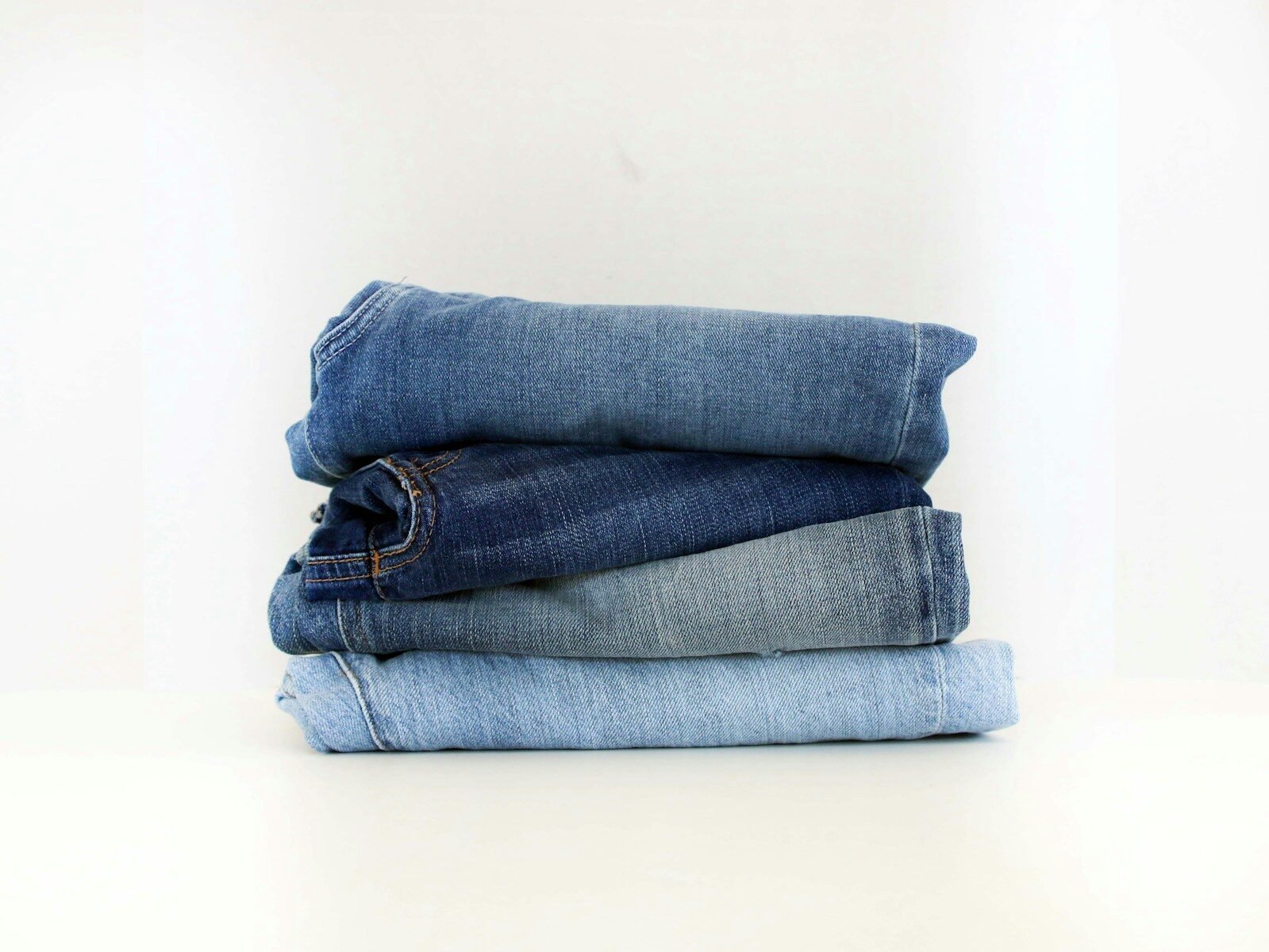
A pair of jeans can cost 20 dollars at a supermarket or 300 dollars at a denim boutique. From a distance, they look almost the same. So what are you really paying for when you buy a 150 dollar pair? The answer involves fabric, washing, rivets and a surprising amount of returns.
In this guide, we break down a realistic 150 dollar pair of jeans from fabric to final sale. You will see what the factory charges, why the wash matters and what the brand keeps in the end. If you want to understand pricing basics first, read our guide to cost price for clothing brands.
The Short Answer
A good quality pair of jeans typically costs a small brand between 25 and 35 dollars to produce and deliver. That includes denim, hardware, sewing, washing and freight. Mass market jeans made in huge volumes can cost less than 10 dollars, while premium selvedge jeans can cost far more.
Jeans are more complex than most garments. They have heavy fabric, metal hardware, many seams and often a wash treatment. As a result, they cost more to make than a hoodie or t-shirt, but they also sell for more.
What Goes Into Making the Jeans
For our example, we use a classic five pocket jean in mid weight cotton denim with a light stone wash. The brand orders 150 pairs from a denim factory. This is a realistic first run for a small premium brand.
| Cost component | Per pair |
|---|---|
| Denim fabric (around 1.5 meters) | $8.00 |
| Trims (rivets, button, zipper, pocket lining, back patch) | $3.00 |
| Cutting and sewing | $7.00 |
| Washing and finishing | $3.00 |
| Factory overhead and profit | $3.00 |
| Factory price | $24.00 |
| Freight, import duties and customs | $4.50 |
| Packaging and hang tag | $1.50 |
| Landed cost | $30.00 |
The Denim Makes or Breaks the Price
Fabric is the biggest cost for most jeans. Standard denim from a large mill is fairly affordable. However, premium Japanese or American selvedge denim can cost several times more per meter. For some high end jeans, the fabric alone costs more than an entire budget pair.
Hardware Adds Up Fast
Each pair needs rivets, a shank button, a zipper and pocket lining. A leather or jacron back patch and woven labels come on top. Generic hardware is cheap. Custom engraved rivets and buttons with your logo cost more, but they make the jeans feel truly yours.
The Wash Is a Hidden Cost
Washing gives jeans their color and character. A simple rinse wash is cheap. Heavy stone washing, bleaching, whiskers and rips take much more time and labor. That is why distressed jeans often cost more to make than clean ones. Our guide to denim washes explains each option.
Unwashed jeans skip this step completely. That is one reason raw denim is popular with small brands that want to keep costs and environmental impact low.
Where the Other 120 Dollars Go
Our example brand sells the jeans for 150 dollars in its own online store. This is how that money is split.
| Where the money goes | Per pair |
|---|---|
| Landed product cost | $30 |
| Marketing and ads to find the customer | $30 |
| Returns and exchanges | $12 |
| Overhead (website, software, samples, photoshoots) | $12 |
| Shipping and fulfillment to the customer | $8 |
| Payment processing fees | $4 |
| Profit before tax | $54 |
Returns Are the Big Jeans Problem
Jeans are one of the most returned items in online fashion. Fit is personal, and sizes differ from brand to brand. Every return costs shipping, handling and sometimes a damaged product. Smart returns logistics can save a denim brand a lot of money.
The best way to cut returns is to help customers pick the right size the first time. A clear size guide with real garment measurements makes a big difference.
VAT and Sales Tax
In the United States, sales tax is added at checkout. In Europe, VAT is already included in the price. With a VAT rate of around 20%, a 150 euro pair only brings in about 125 euros. So European brands keep noticeably less of every sale.
What If the Jeans Are Made in the US or Europe?
Production location changes the numbers dramatically. Sewing jeans is skilled work with special machines. In the United States or Western Europe, labor alone can cost several times more than in Asia.
According to experts interviewed by Marketplace, quality jeans made in the US with fair wages would need to retail for well over 200 dollars. That is why many premium denim brands proudly show where their jeans are made. It explains the price.
Why Some Jeans Cost 300 Dollars
A 300 dollar pair often uses selvedge denim, custom hardware and careful construction. Even so, it rarely costs ten times more to make than our 150 dollar example. The extra price pays for the brand, the craft story and often a smaller production run.
We see the same pattern with every garment. Our breakdowns of what a 100 dollar hoodie costs to make and what a 40 dollar t-shirt costs to make show how the brand itself becomes the most valuable part of the price.
What This Means If You Are Starting a Denim Brand
Denim is rewarding, but it is not a cheap category to enter. Minimums are often higher, and getting the fit right can take several rounds. Plan time and money for at least one fit sample before you go into production.
Also, price your jeans with returns in mind. Aim for at least four to five times your landed cost if you sell direct to consumers. Our guide to jeans for clothing brands helps you choose the right fits and styles to start with.
Frequently Asked Questions about Jeans Production Costs
For a small brand, a good quality pair of jeans usually costs between 25 and 35 dollars to make and deliver. Mass market jeans can cost under 10 dollars, while premium selvedge jeans can cost much more.
The denim fabric is usually the biggest cost. Washing and distressing can also add a lot, especially for heavily treated styles.
In our example, a direct to consumer brand keeps around 54 dollars before tax. High return rates and marketing costs can lower that number quickly.
Rips, whiskers, bleaching and heavy stone washing require extra labor and processing time. This can make distressed jeans noticeably more expensive than clean or raw styles.
Aim for at least four to five times your landed cost when selling direct to consumers. Jeans have high return rates, so you need extra margin to stay profitable.