
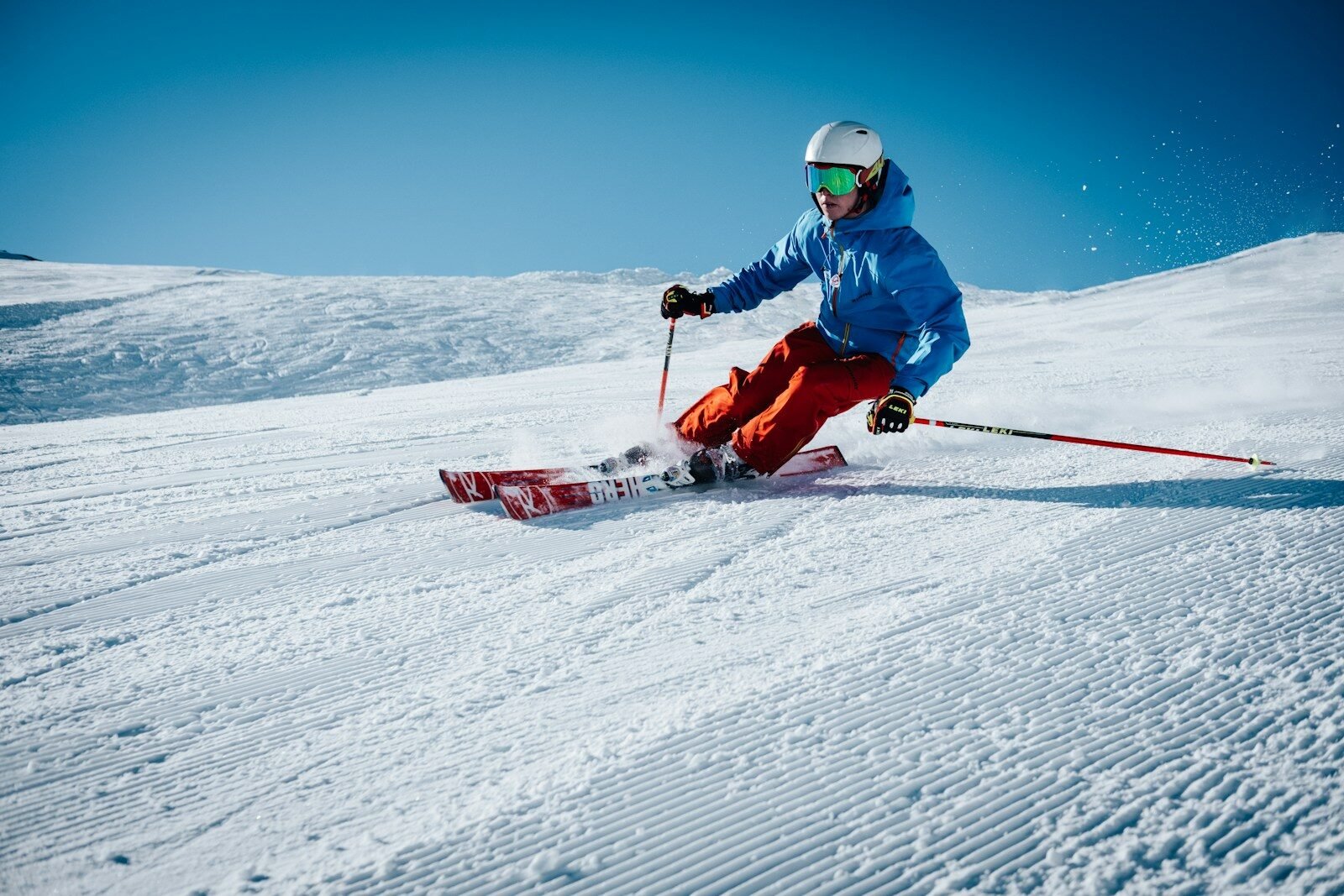
Best Ski Clothing Brands: The Complete Style & Performance Guide
There’s a particular magic to standing at the top of a mountain, the crisp alpine air filling your lungs, powder beneath your skis, and the knowledge that you’re wearing gear that performs as well as it looks. Ski clothing has evolved far beyond purely functional outerwear. Today’s best brands marry technical innovation with genuine style, creating pieces that work just as hard on the slopes as they do in the lodge.
Whether you’re carving down black runs in Chamonix, exploring backcountry powder in Hokkaido, or learning to parallel turn in the Rockies, what you wear matters. The right ski clothing keeps you warm, dry, and comfortable through changing conditions while making you feel confident and put-together. The wrong choices leave you cold, clammy, and counting down the minutes until you can retreat indoors.
This guide breaks down the best ski clothing brands across every category. From luxury icons that define alpine elegance to sustainable champions pushing the industry forward, from performance powerhouses trusted by professional athletes to budget-friendly options that don’t compromise on the essentials. We’ll explore what makes each brand special, recommend specific pieces worth your investment, and help you build a ski wardrobe that matches your skill level, budget, and personal style.
The Luxury Icons
Moncler Grenoble
When you think of luxury ski wear, Moncler Grenoble likely comes to mind first. This isn’t just expensive outerwear. It’s a statement of refined taste backed by genuine technical prowess. Born from Moncler’s heritage of creating down jackets for extreme conditions, the Grenoble line represents the intersection of Italian craftsmanship and alpine performance.
What sets Moncler Grenoble apart is their obsessive attention to down insulation technology. Their premium goose down offers exceptional warmth-to-weight ratio, meaning you stay toasty without feeling like the Michelin Man. The cuts are distinctly European: tailored, elegant, flattering. This is a stark contrast to the boxy silhouettes common in purely technical brands. You’ll spot Moncler on the slopes of St. Moritz, Courchevel, and Aspen, worn by people who appreciate quality and aren’t afraid to show it.
Must-have pieces: The Grenoble Hintertux jacket exemplifies their approach with sleek lines, premium materials, and technical features like sealed seams and strategically placed ventilation. For women, the Bruche jacket offers a feminine silhouette without sacrificing weather protection. Expect to invest €1,200-2,500 for jackets, with pants ranging €800-1,500.
Best for: Skiers who view their outerwear as an investment piece, appreciate refined aesthetics, and frequent high-end resorts where style matters as much as performance. If you’re interested in how luxury brands build their prestige, Moncler offers valuable lessons in maintaining exclusivity while expanding market reach.
Bogner
Founded in Munich in 1932 by Willy Bogner, this German brand literally invented the modern ski pant. Bogner brought athletic elegance to the mountains, transforming ski wear from purely utilitarian gear into fashion statements. Nearly a century later, they remain synonymous with alpine sophistication.
Bogner’s strength lies in their understanding of European style sensibilities. Their pieces feature clean lines, quality construction, and subtle luxury details rather than loud branding. The Fire + Ice line brings a more contemporary, sport-focused approach while maintaining Bogner’s commitment to quality. These aren’t clothes that scream for attention. They whisper refined taste.
Standout products: The men’s Linus jacket combines classic styling with modern technical features, while the women’s Sassy jacket offers a flattering fit that works beautifully both on-piste and après-ski. The Team T pants are legendary for their perfect blend of stretch, durability, and silhouette.
Price point: Jackets typically range €600-1,400, pants €400-800. It’s a significant investment, but Bogner pieces last for years and maintain their style relevance.
Best for: Intermediate to advanced skiers who appreciate timeless design, European aesthetic sensibilities, and gear that transitions seamlessly from slope to lodge.
Fusalp
If Bogner represents classic alpine elegance, Fusalp embodies French sophistication on the slopes. Founded in 1952 in Annecy, France, Fusalp gained legendary status when Jean-Claude Killy won three Olympic gold medals wearing their gear in 1968. Today, the brand appeals to those who want slim, tailored fits with serious technical capabilities.
Fusalp specializes in pieces that hug the body without restricting movement. This is a difficult balance they’ve perfected through decades of pattern development. Their signature stretch fabrics move with you while maintaining clean silhouettes. The aesthetic is distinctly Gallic: understated, refined, with attention to cut and proportion that flatters the human form.
Technical meets chic: The Clemence jacket for women demonstrates their design philosophy. It’s body-conscious without being restrictive, technical without looking overly sporty. Men’s pieces like the Fusalp ski pants offer a European slim fit that’s becoming increasingly popular even among American skiers tired of baggy silhouettes.
Price range: Expect €800-1,800 for jackets, €500-900 for pants. The investment buys you French craftsmanship, flattering fits, and pieces that look expensive without being ostentatious.
Best for: Style-conscious skiers with athletic builds who prefer fitted silhouettes, appreciate French design sensibility, and want technical performance wrapped in elegance.
Performance Powerhouses
Arc’teryx
Canadian brand Arc’teryx has achieved cult status among serious outdoor enthusiasts, and their ski line represents some of the most technically advanced outerwear available. Founded in North Vancouver in 1989, Arc’teryx obsesses over details that most brands overlook: seam placement, articulation, zipper quality, hood adjustment systems. Every element serves a purpose.
Their mastery of Gore-Tex construction sets industry standards. Arc’teryx uses different Gore-Tex variants throughout a single jacket, placing the most robust materials where you need maximum weather protection and more breathable versions where you generate heat. Their patterning allows genuine freedom of movement. You can reach, stretch, and move dynamically without fabric pulling or binding.
Best jackets & pants: The Sabre AR jacket represents their sweet spot for advanced recreational performance with features that serious skiers demand. The Rush jacket takes things further for backcountry and extreme conditions. For pants, the Sentinel offers the perfect blend of durability, weather protection, and comfort. Women should look at the Sentinel LT jacket for a slightly lighter, more packable option.
Why serious skiers choose Arc’teryx: Because when conditions turn genuinely nasty (when it’s dumping snow, wind is howling, and you’re still on the mountain) Arc’teryx performs. The quality is tangible. Zippers glide smoothly even with gloves on. Hoods stay put in high wind. Seams never leak. It’s gear you trust completely.
Investment pieces worth buying: Expect €500-900 for jackets, €400-600 for pants. This isn’t cheap, but Arc’teryx gear lasts for years and maintains impressive resale value. Their warranty and repair program also add long-term value.
Best for: Advanced skiers, backcountry enthusiasts, anyone who skis in challenging conditions, and those who appreciate engineering excellence over fashion trends.
Patagonia
Patagonia brings environmental consciousness to high-performance ski wear without compromise. Founded by climber Yvon Chouinard in 1973, the brand has spent decades proving that sustainability and technical excellence aren’t mutually exclusive. Their ski line reflects this philosophy: gear built to last, designed for repair, and increasingly made from recycled materials.
Beyond environmental credentials, Patagonia creates genuinely excellent ski clothing. Their understanding of layering systems, developed through decades of alpine climbing, translates perfectly to ski mountaineering and resort skiing. The cuts tend toward practical rather than fashion-forward, but they work exceptionally well for active skiing.
Top products: The Powder Bowl jacket is legendary among powder hounds with bomber construction designed for deep days. The SnowDrifter line offers lighter, more packable options for backcountry touring. The Capilene baselayers set the standard that other brands chase. For women, the Insulated Snowbelle jacket balances warmth, weather protection, and a flattering fit.
Sustainability credentials: Patagonia uses recycled polyester and nylon extensively, treats fabrics with PFC-free water repellents, and actively encourages customers to repair rather than replace through their Worn Wear program. You can trade in used Patagonia gear for credit and buy refurbished pieces at significant discounts. Learn more about how Patagonia built their brand around environmental purpose.
Resale value: Patagonia maintains better resale value than virtually any other outdoor brand. Well-maintained pieces sell for 40-60% of retail years after purchase. This is testament to both quality and brand loyalty.
Price point: Jackets range €400-700, pants €300-500. The investment is moderate for this quality level, and the lifetime warranty adds significant value.
Best for: Environmentally conscious skiers, backcountry enthusiasts, anyone who values durability and repair culture, and those who appreciate practical design over fashion trends.
The North Face
The North Face bridges performance and accessibility better than perhaps any other major brand. While they make technical gear that serious mountaineers trust in extreme conditions, they also create approachable products for everyday skiers at reasonable price points. This range makes them incredibly versatile.
Summit Series explained: This is The North Face’s pinnacle. It’s expedition-grade gear tested in the world’s harshest environments. Summit Series jackets and pants feature premium materials, advanced construction techniques, and design details refined through professional athlete feedback. If you’re skiing in genuinely extreme conditions, Summit Series delivers.
Steep Series for advanced terrain: Positioned between their mainline and Summit offerings, Steep Series provides advanced features for expert skiers tackling challenging terrain without the expedition-level price tag. These pieces work beautifully for aggressive resort skiing and backcountry access.
Best sellers: The men’s Apex Flex jacket offers waterproof protection with excellent breathability at a reasonable price. Women love the Osito fleece as a versatile midlayer. The Freedom pants are best-sellers for good reason: solid waterproofing, comfortable fit, and durability at an accessible price point.
Athlete collaborations: The North Face’s partnerships with ski athletes influence product development meaningfully. When you see features from athlete-edition gear trickle down to consumer products, you benefit from real-world testing in demanding conditions.
Price range: Entry-level pieces start around €150-250, mid-tier products run €300-500, and Summit Series tops out at €600-1,000. This range lets you buy precisely the performance level you need.
Best for: Wide range of skiers from beginners to experts, those seeking proven reliability, families outfitting multiple people, and anyone who values versatile gear that performs across conditions.
Salomon
When a brand has been making skis since 1947, they understand mountain sports intimately. Salomon’s apparel division benefits from this deep heritage, creating clothing that works seamlessly with their boots and skis. The result is outerwear designed by people who actually ski: frequently, seriously, and in varied conditions. This is a true sports clothing brand built on athletic performance.
Ski racing heritage: Salomon’s connection to ski racing informs their design philosophy. Features prioritize function over fashion, with careful attention to mobility, durability in high-wear areas, and weather protection during extended time outdoors. The cuts accommodate athletic movement with no binding, no restriction.
Motion Fit technology: Salomon’s proprietary Motion Fit patterning articulates key movement areas, particularly in the shoulders, elbows, and knees. This allows natural range of motion whether you’re in a racing tuck or stretching for a wide parallel turn. Once you experience truly articulated outerwear, it’s hard to go back to straight-cut alternatives.
Outerwear that matches your equipment: There’s something satisfying about a coordinated setup: Salomon skis, Salomon boots, Salomon outerwear. Beyond aesthetics, the brand’s holistic approach to ski gear means everything is designed to work together as a system.
Best for serious mountain athletes: The Icemania jacket represents Salomon’s technical apex. It’s designed for resort skiing in challenging conditions with features like a removable powder skirt, helmet-compatible hood, and strategic insulation placement. The Brilliant pants offer excellent weather protection with a fit that suits athletic skiers.
Price point: Jackets range €250-550, pants €200-400. Excellent value for the technical features and build quality.
Best for: Serious skiers who prioritize performance, ski instructors, frequent skiers who log significant days each season, and those who appreciate gear designed by skiing experts.
The Style Leaders
Perfect Moment
If Instagram had a favorite ski brand, Perfect Moment would be it. Founded by extreme sports filmmaker Thierry Donard (who literally invented the helmet camera), Perfect Moment combines genuine mountain credentials with an aesthetic that photographs beautifully. Their signature rainbow stripes and retro-inspired designs dominate social media feeds from Verbier to Aspen.
Chamonix heritage: Perfect Moment was born in the French Alps, and that mountain culture permeates every piece. The brand understands that après-ski is as important as on-piste performance, creating clothing that transitions seamlessly from chairlift to cocktails. Technical features ensure you stay comfortable during a full day of skiing, while cuts and colors guarantee you’ll look good doing it.
Celebrity fans: Spot Perfect Moment on everyone from Bella Hadid to Kendall Jenner. This celebrity endorsement isn’t paid partnership. Celebrities genuinely choose these pieces for their ski vacations. The brand has achieved that rare balance of being genuinely cool while remaining functionally excellent.
Signature designs: The Super Day jacket features their iconic chest stripe in various colorways. It’s instantly recognizable and endlessly versatile. The Aurora Flare pants offer a flattering high-waisted fit with a slight flare that’s both retro and modern. For men, the Chamonix jacket provides classic styling with contemporary technical features.
Best pieces for looking good on and off piste: The Polar Flare pants work as well for walking through Courchevel village as they do on the slopes. The various fleece options layer beautifully and look stylish enough for après-ski. The brand excels at pieces you’ll actually want to wear beyond the mountain. If you want to understand how to use Instagram to build brand awareness like Perfect Moment does, their social strategy offers valuable lessons.
Price point: Jackets range €500-900, pants €400-700. You’re paying for design cachet alongside technical performance, but the pieces genuinely deliver on both fronts.
Best for: Style-conscious skiers who care about aesthetics, social media enthusiasts, those who frequent fashionable resorts, and anyone building a ski wardrobe that photographs well.
Goldbergh
Dutch luxury ski brand Goldbergh proves that performance gear can embrace femininity without sacrificing function. Founded by former Dutch Olympic skier Lieke van den Berg, Goldbergh creates pieces specifically for women who want to look unmistakably feminine on the slopes. Think fitted waists, flattering cuts, and elegant details alongside serious weather protection.
Feminine, fitted silhouettes: While many ski brands offer unisex designs or simply shrink men’s patterns for women’s lines, Goldbergh designs exclusively for women’s bodies. The result is outerwear that follows natural curves, nips in at the waist, and creates a silhouette that’s both sporty and elegant.
Statement pieces: The Strong jacket lives up to its name with bold color blocking, premium fabrics, and construction that ensures you stand out in the lift line. The Freestyle pants feature clever details like decorative zippers and contrast panels that elevate them beyond basic ski pants.
Après-ski versatility: Goldbergh pieces transition beautifully from slope to lodge. The cuts are refined enough to wear for lunch without looking overly technical or sporty. Many pieces feature removable faux fur trim on hoods, allowing you to adjust the look from mountain performance to village chic.
Price range: Expect €600-1,200 for jackets, €400-700 for pants. This is luxury pricing, but you’re investing in pieces designed by a former Olympian who understands both performance demands and style desires.
Best for: Women who embrace feminine aesthetics, those who appreciate European luxury, skiers who value wardrobe versatility, and anyone who wants to look elegant while skiing.
Erin Snow
Minimalist aesthetic meets Japanese fabric innovation in Erin Snow’s refined ski wear. Designer Erin Fetherston brings fashion industry expertise to technical outerwear, creating pieces that showcase understated luxury rather than loud branding. If you appreciate The Row or Lemaire, you’ll understand Erin Snow’s design philosophy. This is minimalistic design applied to mountain sports.
Japanese fabric innovation: Erin Snow sources advanced technical fabrics from Japanese mills known for exceptional quality. These materials offer superior performance (better waterproofing, enhanced breathability, impressive durability) with refined hand feel that sets them apart from typical ski outerwear.
Understated luxury: No logos scream from Erin Snow pieces. The luxury is internal: in the quality of fabrics, the precision of construction, the thoughtfulness of design details. Small touches like custom hardware, contrast stitching, and considered color palettes signal refined taste to those who notice such things.
Celebrity following: You’ll find Erin Snow in the closets of celebrities who prefer quiet luxury. People like Gwyneth Paltrow who appreciate quality over flash. The brand has cultivated a devoted following among women who value sophistication and performance equally.
Best pieces: The Joni jacket exemplifies the brand’s aesthetic with clean lines, premium materials, and technical features integrated seamlessly. The Suki pant offers a flattering straight-leg cut in various colors beyond basic black and navy.
Price point: Jackets range €600-1,100, pants €400-650. Premium pricing for premium materials and design.
Best for: Minimalist aesthetics enthusiasts, those who prefer quiet luxury, skiers who value fabric quality, and women seeking sophisticated alternatives to branded athletic wear.
Toni Sailer
Named after the legendary Austrian ski racer who won three gold medals at the 1956 Olympics, Toni Sailer embodies sleek European styling with Austrian heritage. The brand creates outerwear that looks distinctly Continental (refined, fitted, and elegant) while delivering the technical performance expected from a company rooted in alpine skiing culture.
Austrian heritage: Austria’s ski culture emphasizes both performance and presentation. Toni Sailer reflects this dual focus, creating pieces that perform during aggressive skiing while maintaining elegant silhouettes. It’s gear designed for people who care how they look on the mountain.
Sleek European styling: Toni Sailer favors clean lines, thoughtful color combinations, and cuts that flatter without excessive bulkiness. Their designs trend more fitted than typical American ski wear, appealing to those who prefer tailored aesthetics.
Performance meets fashion: The Noa jacket for women offers premium materials, excellent weather protection, and a silhouette that looks beautiful whether you’re skiing or having lunch in Kitzbühel. Men’s pieces like the Tobi jacket provide similar blend of style and substance.
Price range: Jackets typically run €500-900, pants €350-600. Mid-luxury pricing for Austrian quality and design.
Best for: Skiers who appreciate European design sensibilities, those seeking fitted rather than baggy silhouettes, and anyone who values the blend of alpine heritage and contemporary style.
Sustainable Champions
Picture Organic Clothing
Picture Organic Clothing proves that sustainability and performance can coexist without compromise. This French brand holds B-Corp certification, commits to transparency throughout their supply chain, and continuously pushes to reduce environmental impact. All while creating technical ski wear that genuinely performs.
B-Corp certified: Picture meets rigorous standards for social and environmental performance, accountability, and transparency. This certification isn’t marketing spin. It’s third-party verification that the company operates according to its stated values.
Recycled & bio-sourced materials: Picture uses recycled polyester extensively, sources Responsible Down, employs bio-sourced materials where possible, and treats fabrics with PFC-free water repellents. They’re transparent about what percentage of each product comes from sustainable sources, allowing informed purchasing decisions.
Style without compromise: Picture’s commitment to sustainability doesn’t mean sacrificing aesthetics or performance. Their designs are contemporary, their color palettes are vibrant, and their technical features match or exceed conventional brands. The Object jacket, for example, offers excellent waterproofing and breathability in a modern silhouette, all while being made from 64% recycled polyester.
Best eco-friendly pieces: The Zephir jacket uses recycled materials and bio-sourced insulation while providing serious weather protection. The Naikoon pants offer excellent durability and performance with reduced environmental impact. Their organic cotton fleeces work beautifully as midlayers.
Price-to-performance ratio: Jackets range €300-500, pants €200-350. This is remarkable value considering the sustainable materials and solid technical specifications. You’re not paying a premium for environmental consciousness. You’re getting fair pricing for quality gear.
Best for: Environmentally conscious skiers who won’t compromise on performance, those who value transparency in supply chains, and anyone seeking alternatives to fast-fashion ski wear.
Patagonia (Sustainability Focus)
While we covered Patagonia’s technical prowess earlier, their environmental leadership deserves deeper exploration. No major outdoor brand takes sustainability more seriously or pushes the industry harder toward meaningful change.
Worn Wear program: Patagonia actively encourages you to buy less by making repair easy and accessible. Their Worn Wear program repairs damaged gear, sells refurbished pieces at significant discounts, and even publishes repair guides so you can fix items yourself. This stands in direct opposition to planned obsolescence that drives most apparel businesses.
Recycled materials: Patagonia has used recycled polyester since 1993 and recycled nylon since 2020. Currently, 87% of their fabrics are made from recycled materials. They’re transparent about challenges (recycling has environmental costs too) but they’re committed to continuously improving processes.
Repair culture: Patagonia’s Worn Wear repair trucks tour ski resorts offering free repairs. They’ve trained thousands of people in basic gear maintenance. Their website includes detailed repair guides. This commitment extends product life significantly, reducing overall environmental impact.
Investment value: Beyond environmental benefits, this focus on durability and repairability means Patagonia gear lasts exceptionally long. Many skiers report wearing the same Patagonia shell for 10-15 years. That’s remarkable value regardless of your environmental priorities.
Wearcolour
Swedish brand Wearcolour brings Scandinavian design sensibility to sustainable ski wear with an emphasis on unisex pieces, bold colors, and environmental consciousness. Founded in 2008, the brand has built a loyal following among younger skiers who appreciate both their aesthetic and their values.
Swedish sustainable brand: Wearcolour uses recycled materials extensively, partners with factories that meet strict environmental and labor standards, and maintains transparency about their production processes. They’re members of the Fair Wear Foundation and continuously work to reduce their environmental footprint.
Unisex designs: Most Wearcolour pieces are designed to work for all genders, challenging the traditional binary approach to ski wear. This philosophy reduces production complexity, broadens appeal, and reflects contemporary attitudes toward gendered clothing.
Bright, bold colors: Wearcolour rejects the muted earth tones common in outdoor apparel, instead embracing vibrant hues and color-blocking. Their pieces stand out on the slopes: easy to spot in your group, visually exciting, and genuinely fun.
Accessibility: Despite using sustainable materials and manufacturing processes, Wearcolour maintains relatively accessible pricing. Jackets range €250-400, pants €150-300. This makes sustainable choices available to younger skiers and those with moderate budgets.
Best pieces: The Wear Jacket offers excellent weather protection in bold colorways. The Tilt Pant provides solid performance with a modern fit. Their base layer collections use recycled fabrics and come in fun patterns beyond basic black.
Best for: Younger skiers, those who appreciate Scandinavian design, environmentally conscious buyers on moderate budgets, and anyone who wants colorful, fun ski wear.
Holden
Portland-based Holden brings streetwear sensibility and progressive sustainability to technical outerwear. Founded by snowboarder Mikey LeBlanc in 2002, the brand has always emphasized style alongside function, creating pieces that look as good in urban environments as they do on the mountain. If you’re interested in streetwear branding approaches, Holden offers insights into bridging mountain performance and street style.
Progressive sustainability: Holden uses recycled polyester and down, employs PFC-free DWR treatments, and partners with bluesign® approved fabric suppliers. They’re not perfect (they acknowledge ongoing challenges) but they’re transparent about their journey toward greater sustainability.
Streetwear-influenced: Holden’s designs feature clean lines, contemporary cuts, and aesthetic details that appeal to those who follow street fashion. The brand bridges mountain performance and urban style more successfully than most ski-specific companies.
Technical performance: Despite the style focus, Holden doesn’t compromise on technical features. Their proprietary Weather Defense technology provides serious weather protection. Construction quality is solid. These pieces perform during full days of skiing in challenging conditions.
Price range: Jackets typically run €300-500, pants €200-350. Fair pricing for the combination of style, sustainability, and performance.
Best for: Snowboarders, younger skiers who value street style, those seeking sustainable options with contemporary aesthetics, and urban dwellers who want technical outerwear that doesn’t look overtly sporty.
Best Value Brands
Protest
Dutch brand Protest delivers impressive technical specifications at mid-range prices, making quality ski wear accessible to broader audiences. Founded in 1993, Protest has built a reputation for reliable performance, contemporary styling, and family-friendly pricing.
Dutch brand punch: Protest understands European ski markets intimately, creating gear that performs in Alpine conditions while maintaining style standards expected by Continental consumers. The brand successfully balances technical requirements with aesthetic appeal.
Technical specs at mid-range prices: Protest jackets typically offer 10,000-20,000mm waterproofing and comparable breathability ratings. These are specifications that match much more expensive brands. Their use of quality materials and construction techniques delivers performance that exceeds the price point.
Youth appeal: Protest’s contemporary designs, vibrant colors, and accessible pricing make them popular among younger skiers and families outfitting multiple children. The brand stays current with trends without chasing fleeting fads.
Best products under €300: The Prtincredibly jacket offers 20,000mm waterproofing, fully taped seams, and plenty of features for around €200. The Lole snowpants provide excellent protection and durability for €150. These represent exceptional value.
Range: Jackets span €150-300, pants €100-200. This positions Protest perfectly for recreational skiers who want legitimate performance without luxury pricing.
Best for: Families, younger skiers, those seeking solid performance on moderate budgets, and recreational skiers who hit the slopes a few times per season.
Columbia
Columbia has equipped outdoor enthusiasts since 1938, and their ski line reflects decades of experience creating weather-protective clothing at accessible prices. While they lack the cachet of luxury brands or the cutting-edge innovation of premium technical brands, Columbia delivers dependable performance that works for most recreational skiers.
Omni-Heat technology explained: Columbia’s proprietary Omni-Heat reflective lining features tiny metallic dots that reflect body heat back to you while allowing moisture to escape. This provides warmth without bulk, making Columbia jackets surprisingly effective for their weight and price point. Omni-Tech waterproofing offers solid protection in typical ski conditions.
Family-friendly options: Columbia excels at outfitting entire families affordably. They offer extensive size ranges, including plus sizes often neglected by technical brands. Kids’ lines provide the same technologies as adult gear at proportionally lower prices.
Reliable performance: Columbia won’t be the lightest, most breathable, or most stylish option. But their gear works. It keeps you dry, maintains reasonable warmth, and lasts for multiple seasons. For many recreational skiers, this is precisely what they need.
Wide size ranges: Columbia offers more inclusive sizing than most ski-specific brands. If you’ve struggled to find technical ski wear in your size, Columbia likely has options that fit.
Price point: Jackets range €100-300, pants €80-180. Some of the most affordable legitimate ski outerwear available from a reputable brand.
Best for: Families on budgets, occasional skiers, those who prioritize value over style, and anyone seeking inclusive sizing in technical outerwear.
Roxy
Roxy has been creating women’s specific ski and snowboard wear since 1990, bringing beach-to-mountain lifestyle aesthetics to winter sports. As the women’s division of Quiksilver, Roxy benefits from decades of action sports heritage while focusing exclusively on female consumers.
Women’s specific designs: Every Roxy piece is designed specifically for women’s bodies by women designers. This results in better fits, more flattering cuts, and thoughtful details that reflect how women actually ski and what they want from their outerwear.
Fashion-forward options: Roxy’s background in surf culture brings fashion sensibility often missing in technical ski wear. Expect contemporary patterns, thoughtful color palettes, and styling details that reflect current trends while remaining functional.
Beach-to-mountain lifestyle: Roxy embodies active lifestyle branding that extends beyond winter sports. Their pieces work for skiing but also fit into broader wardrobes. This is versatility that appeals to women who value multifunctional clothing.
Affordable style: Roxy proves you don’t need to spend luxury prices for stylish ski wear. Their pieces look good, work well, and come at prices that won’t break the bank.
Price range: Jackets typically run €200-400, pants €150-250. Reasonable pricing for legitimate technical features and contemporary styling.
Best pieces: The Jet Ski jacket offers premium features and stylish design at mid-range pricing. The Backyard pants provide excellent weather protection with a flattering fit. Their ROXY DryFlight technology delivers solid waterproofing and breathability.
Best for: Women seeking stylish ski wear, younger female skiers, those who appreciate lifestyle branding, and anyone wanting fashion-forward options at accessible prices.
Burton
Founded by snowboarder Jake Burton Carpenter in 1977, Burton built the snowboarding industry from the ground up. While primarily known for boards and boots, their outerwear division creates excellent technical clothing that works beautifully for skiing as well as snowboarding.
Snowboard heritage: Burton’s deep roots in snowboarding inform their design philosophy: freedom of movement, durability in high-wear areas, and features that work for active mountain sports. The baggy, skate-inspired aesthetic has evolved toward more versatile cuts that appeal to skiers too.
Crossover appeal: Burton successfully bridges snowboard and ski markets with their outerwear. Modern cuts work for either sport, technical features serve both disciplines, and styling avoids being too specifically snowboard-focused.
DRYRIDE technology: Burton’s proprietary DRYRIDE two-layer and three-layer fabrics offer impressive waterproofing and breathability. Their various DRYRIDE offerings span entry-level to premium performance, allowing you to choose the specifications you need.
Youth & adult lines: Burton excels at kids’ gear, creating miniature versions of adult pieces with the same technical features. As kids grow and progress, upgrading within the Burton ecosystem feels natural.
Price range: Entry-level jackets start around €150, mid-range pieces run €250-400, and premium offerings reach €500-700. Wide price spectrum accommodates various budgets.
Best pieces: The AK Gore-Tex Cyclic jacket represents their technical apex with premium materials and construction. The Covert jacket offers excellent value with DRYRIDE 2L fabric. For women, the Lelah jacket provides style and performance at moderate pricing.
Best for: Snowboarders, skiers who appreciate snowboard-influenced styling, families (especially with kids), and those seeking versatile outerwear that works across winter sports.
Budget Champions
Wedze by Decathlon
French sporting goods giant Decathlon’s ski brand Wedze represents the absolute best value in ski clothing. While certainly not luxury or even mid-range, Wedze proves that legitimate ski outerwear doesn’t require massive investment. For beginners, occasional skiers, or those outfitting children who’ll outgrow everything in a year, Wedze is hard to beat.
Unbeatable entry-level value: Where else can you find a complete ski outfit (jacket, pants, gloves, and base layers) for under €200 total? Wedze makes skiing accessible to people who might otherwise be priced out of the sport.
What you get for €100-200: Wedze jackets at this price point typically offer 5,000-10,000mm waterproofing, taped seams, basic insulation, and essential features like snow skirts and multiple pockets. This genuinely works for typical ski vacation conditions. You won’t have the breathability of premium brands, advanced features, or refined cuts, but you’ll stay dry and reasonably warm.
Good for beginners & occasional skiers: If you’re trying skiing for the first time or only go once every few years, investing in expensive gear makes little sense. Wedze allows you to participate in the sport without significant financial commitment. Once you know you love skiing and want to pursue it seriously, you can upgrade to better equipment.
Product recommendations: The Wedze 500 jacket offers 10,000mm waterproofing for around €100 (remarkable value). The 580 pants provide solid protection for €80. Their base layer sets cost €30-40 and perform adequately for recreational skiing.
Limitations: Understand what you’re not getting. Fabrics won’t breathe as well as premium brands, so you’ll feel clammy during high-exertion activities. Cuts are basic, not optimized for movement or flattering fits. Durability is acceptable but not exceptional. For occasional use, these limitations are perfectly acceptable.
Best for: Absolute beginners, occasional skiers (once or twice per season), families on tight budgets, those outfitting rapidly growing children, and anyone testing whether they enjoy skiing before investing significantly.
Killtec
German brand Killtec delivers no-frills performance at budget-friendly prices. Founded in 1981, the company focuses on providing adequate technical specifications and reliable construction without design frills or marketing hype. For pragmatic consumers who care primarily about function, Killtec offers sensible value.
German reliability: Killtec embodies practical German engineering. Not fancy, not fashionable, but dependably functional. Seams stay sealed, zippers keep working, fabrics hold up through multiple seasons. It’s gear that simply works.
No-frills performance: Don’t expect innovative features, refined aesthetics, or cutting-edge materials. Killtec provides the essentials (weather protection, reasonable warmth, and adequate durability) without extras that drive up costs.
Family packages: Killtec frequently offers family bundle deals, allowing you to outfit multiple people affordably. This makes economic sense for families where everyone needs gear simultaneously.
Price range: Jackets typically run €80-150, pants €60-120. Basic but functional options at the lower end, more feature-rich pieces at the higher end of this range.
Best for: Budget-conscious families, pragmatic consumers who prioritize function over form, occasional skiers who don’t want to invest heavily, and anyone seeking reliable basics without paying for brand prestige.
Niche & Specialist Brands
Kjus
Swiss precision engineering meets athletic innovation in Kjus, a brand founded by former Olympic ski racer Lasse Kjus and entrepreneur Didi Serena. Kjus creates premium technical outerwear developed with input from professional athletes, resulting in pieces that perform at the highest level.
Swiss precision: Kjus embodies Swiss attention to detail: meticulous construction, precise patterning, and quality control that ensures consistency. Each piece reflects the careful engineering expected from Swiss products.
Athlete-developed technology: Kjus collaborates extensively with professional skiers and mountain athletes to develop and test their products. Features like their AC-VENT system (automated climate control) emerge from real needs identified by athletes in demanding conditions.
Premium construction: Kjus uses top-tier materials (premium Gore-Tex, high-quality insulation, robust hardware) and combines them with exceptional tailoring. The result is outerwear that feels notably superior to standard technical gear.
Best for advanced skiers: Kjus designs for people who ski hard and often. If you’re an aggressive skier who demands maximum performance, appreciates refined engineering, and doesn’t mind premium pricing, Kjus delivers.
Price point: Expect €600-1,200 for jackets, €400-700 for pants. This is premium pricing, but the performance, durability, and attention to detail justify costs for serious skiers.
Best for: Advanced to expert skiers, those who appreciate Swiss engineering, anyone seeking top-tier technical performance, and skiers willing to invest significantly in premium gear.
Spyder
Official outfitter of the U.S. Ski Team, Spyder has deep roots in competitive skiing. Founded in 1978 by David Jacobs, the brand built its reputation creating race suits for professional athletes before expanding into consumer markets. That racing heritage continues to inform every product they make.
US Ski Team official: Spyder’s partnership with the U.S. Ski Team isn’t just marketing. It’s genuine collaboration. Technologies developed for racers eventually reach consumer products, bringing professional-level innovation to recreational skiers.
Racing heritage: Spyder understands speed, aerodynamics, and the specific demands of competitive skiing. Even their recreational pieces benefit from insights gained through racing, resulting in thoughtful features and performance-oriented design.
Technical innovations: Spyder’s Dermizax fabric technology offers exceptional waterproofing and breathability. Their PrimaLoft insulation provides warmth without bulk. Features like RECCO avalanche rescue reflectors come standard in many pieces. These are details that reflect serious mountain expertise.
Youth programs: Spyder has extensive youth racing programs and creates scaled-down versions of adult pieces for young skiers. If you have kids in ski racing or aspiring to compete, Spyder offers legitimate performance at junior sizes.
Price range: Jackets run €250-600, pants €200-400. Mid to upper-mid pricing for genuine technical performance.
Best for: Competitive skiers, ski racers of all ages, those who appreciate racing heritage, and families with kids in ski programs.
Helly Hansen
Norwegian brand Helly Hansen has been creating weather-protective clothing since 1877, originally for sailors facing North Sea conditions. Their transition to ski wear brought decades of waterproofing expertise to mountain sports, resulting in gear that excels in wet, challenging weather.
Norwegian sailing-to-skiing crossover: Helly Hansen’s maritime background means they understand wet conditions intimately. Their waterproofing technologies, developed for sailors spending days at sea, translate perfectly to skiing in storms, spring conditions, or maritime climates.
Helly Tech waterproofing: Helly Hansen’s proprietary Helly Tech fabric technology offers excellent waterproofing with solid breathability. Various Helly Tech levels (Helly Tech, Helly Tech Performance, Helly Tech Professional) allow you to choose specifications matching your needs and budget.
Scandinavian durability: Helly Hansen builds gear to last through harsh Scandinavian winters. Extensive testing in genuinely challenging conditions results in proven durability. These pieces hold up through seasons of heavy use.
Professional choice: You’ll see Helly Hansen on ski instructors, patrol members, and others who spend all day, every day on the mountain. This professional adoption speaks to reliability and real-world performance.
Price range: Jackets typically run €250-500, pants €150-350. Fair pricing for the quality and technical performance.
Best for: Skiers in wet climates (Pacific Northwest, maritime mountains), those who ski in challenging weather, professionals who need reliable gear, and anyone seeking proven Norwegian durability.
Mammut
Swiss mountaineering brand Mammut has been making mountain equipment since 1862, bringing over 160 years of alpine expertise to their ski clothing. While primarily known for climbing gear, Mammut’s ski line benefits from their deep understanding of extreme mountain conditions.
Swiss mountaineering legacy: Mammut creates gear for serious mountain pursuits, the kind of conditions where equipment failure could prove dangerous. This safety-first philosophy results in exceptional reliability and thoughtful engineering.
Extreme condition performance: Mammut designs for the worst weather you might encounter. Not typical blue-sky ski days but white-out storms, extreme cold, and challenging alpine environments. If you ski in genuinely demanding conditions, Mammut’s experience shows.
Backcountry crossover: Mammut’s climbing heritage translates beautifully to backcountry skiing and ski mountaineering. Their pieces balance weather protection with weight considerations, include safety features like RECCO reflectors, and incorporate design elements from alpine climbing.
Price point: Jackets range €300-700, pants €250-500. Mid to premium pricing for professional-grade performance.
Best for: Backcountry skiers, ski mountaineers, those who ski in extreme conditions, and anyone who appreciates Swiss mountaineering heritage.
Emerging & Cool Brands
Napapijri
Italian-Norwegian fusion brand Napapijri (Finnish for “Arctic Circle”) creates distinctive outerwear that blends urban-mountain aesthetics with legitimate technical performance. Founded in 1987, the brand has built cult following through recognizable designs and quality construction.
Italian-Norwegian fusion: Napapijri combines Italian design sensibility (attention to aesthetics, understanding of fashion) with Norwegian functional philosophy. The result is gear that looks as good in Milano as it does in Oslo’s mountains.
Urban-mountain aesthetic: Napapijri excels at creating pieces that work equally well in city environments and on slopes. Their designs feature clean lines, contemporary styling, and versatility that appeals to those seeking multi-environment outerwear.
Distinctive branding: The Norwegian flag logo and distinctive design elements make Napapijri instantly recognizable. If you appreciate visible branding and want people to know what you’re wearing, Napapijri delivers.
Price range: Jackets typically run €200-400, pants €150-300. Reasonable pricing for the combination of style and performance.
Best for: Urban skiers, those who value distinctive styling, anyone seeking versatile outerwear for city and mountain, and consumers who appreciate Italian-Scandinavian design fusion.
Rossignol Apparel
Legendary ski manufacturer Rossignol has expanded beyond equipment into apparel, bringing over a century of ski heritage to clothing design. Their deep understanding of skiing informs every piece, creating outerwear that reflects genuine mountain expertise.
Ski brand expansion: Rossignol’s core business is skis. They know the sport intimately. This expertise translates to apparel that addresses real needs identified through decades of working with skiers at all levels.
Heritage credibility: Rossignol has been making skis since 1907. When they create ski clothing, it carries weight that startup brands can’t match. This heritage appeals to traditionalists who appreciate established mountain brands.
Coordinated look with equipment: There’s aesthetic satisfaction in matching Rossignol skis with Rossignol outerwear. Beyond looks, the brand’s holistic approach means everything is designed to work as a system.
Price point: Jackets range €200-500, pants €150-350. Mid-range pricing that reflects their position between budget and luxury options.
Best for: Skiers who ride Rossignol equipment, those who appreciate ski heritage, traditionalists who trust established mountain brands, and anyone seeking coordinated head-to-toe setups.
Dope Snow
Scandinavian newcomer Dope Snow has disrupted ski apparel markets through aggressive social media marketing, bold graphics, and direct-to-consumer pricing. Founded in 2012, the young brand appeals primarily to younger skiers and snowboarders seeking distinctive style. Their approach to community building through social media offers lessons for emerging brands.
Scandinavian newcomer: Dope Snow brings fresh perspective to ski wear, challenging established brands with contemporary designs and marketing that speaks to younger generations. Their rapid growth demonstrates appetite for new approaches.
Bold graphics & colors: Dope Snow rejects subtle design in favor of eye-catching graphics, vibrant color blocking, and pieces that demand attention. If you want to stand out in the lift line, Dope delivers.
Social media presence: Dope Snow built their brand largely through Instagram and other social platforms, creating aspirational content that resonates with younger consumers. Their marketing feels authentic to digital natives. Understanding how to leverage TikTok and other platforms has been crucial to their success.
Affordable style: Despite contemporary designs and social media cachet, Dope maintains accessible pricing. Jackets run €200-350, pants €150-250. This allows younger skiers to access trendy gear without luxury prices.
Technical performance: While primarily style-focused, Dope doesn’t ignore technical requirements. Their pieces offer legitimate waterproofing and breathability adequate for recreational skiing.
Best for: Younger skiers and snowboarders, those who follow ski fashion on social media, anyone seeking bold, distinctive designs, and budget-conscious consumers wanting trendy gear.
What to Buy: Product Recommendations
Best Ski Jackets by Category
Best Overall Performance: Arc’teryx Sabre AR Jacket (€750) – Premium Gore-Tex construction, exceptional breathability, and features that serious skiers demand. Worth every penny for frequent skiers.
Best Luxury: Moncler Grenoble Hintertux Jacket (€1,800) – Italian craftsmanship, premium down insulation, and refined aesthetics that work on and off mountain.
Best Value: Protest Prtincredibly Jacket (€200) – Remarkable 20,000mm waterproofing and full features at budget-friendly pricing.
Best Sustainable: Picture Organic Clothing Zephir Jacket (€400) – 64% recycled materials, excellent technical specs, contemporary design, and B-Corp certification.
Best Style: Perfect Moment Super Day Jacket (€650) – Iconic stripe design, celebrity-approved aesthetics, and legitimate technical performance.
Best for Backcountry: Patagonia Powder Bowl Jacket (€550) – Bomber construction, designed specifically for powder skiing, backed by lifetime warranty.
Best Budget: Wedze 500 Jacket (€100) – 10,000mm waterproofing and essential features at unbeatable price for beginners.
Best Women’s Specific: Goldbergh Strong Jacket (€900) – Feminine silhouette, premium materials, and Dutch luxury design.
Best Ski Pants by Fit & Style
Best Fitted European Cut: Fusalp Ski Pants (€650) – Tailored silhouette, stretch fabrics, and French sophistication.
Best Relaxed Fit: Burton Covert Pants (€180) – Comfortable contemporary cut, DRYRIDE fabric, excellent value.
Best Bib Pants: Arc’teryx Sentinel LT Bib (€500) – Superior weather protection, excellent for deep snow days, premium construction.
Best Women’s High-Waisted: Perfect Moment Aurora Flare Pants (€500) – Flattering high waist, slight flare, and retro-modern styling.
Best Budget: Wedze 580 Pants (€80) – Adequate waterproofing and basic features at entry-level pricing.
Best Technical: Salomon Brilliant Pants (€300) – Motion Fit technology, reinforced high-wear areas, designed by skiing experts.
Best Sustainable: Picture Organic Clothing Naikoon Pants (€250) – Recycled materials, solid performance, fair pricing.
Best Base Layers by Brand
Best Overall: Patagonia Capilene (€50-90) – Industry-standard moisture wicking, durability, and comfort across weight options.
Best Merino Wool: Icebreaker 200 Zone Leggings (€90) – Natural fiber performance, odor resistance, comfortable next-to-skin feel.
Best Budget: Wedze Base Layer Set (€35) – Adequate moisture management for occasional skiers at minimal cost.
Best Luxury: Arc’teryx Rho LT (€120) – Premium fabrics, exceptional construction, optimized for active mountain sports.
Best Sustainable: Picture Organic Clothing Base Layers (€60) – Recycled fabrics, good performance, eco-conscious choice.
Best Accessories
Best Ski Gloves: Hestra Army Leather Heli (€140) – Legendary durability, excellent dexterity, proven cold-weather performance.
Best Mittens: Black Diamond Guide Mittens (€100) – Maximum warmth for extremely cold conditions.
Best Neck Warmer: Smartwool Merino 250 Neck Gaiter (€35) – Natural fiber warmth, comfort, versatility.
Best Beanie: The North Face Dock Worker Beanie (€30) – Classic style, reliable warmth, works under helmet.
Best Ski Socks: Smartwool PhD Ski Socks (€25) – Proper cushioning, moisture management, durability.
Brand Selection Guide
By Skier Type
Beginner Skiers:
- Wedze (Decathlon) – Best budget option
- Columbia – Reliable and affordable
- Protest – Good value with decent specs
- Roxy – Stylish and functional for women
Intermediate Skiers:
- The North Face – Versatile performance
- Salomon – Solid technical features
- Burton – Great value and quality
- Picture Organic Clothing – Sustainable mid-range option
- Protest – Upper tier offerings
Advanced Skiers:
- Arc’teryx – Premium technical performance
- Patagonia – Excellent durability and warranty
- Salomon – Serious skier focus
- Kjus – Swiss precision
- Spyder – Racing heritage
Expert/Professional Skiers:
- Arc’teryx – Industry-leading technology
- Mammut – Extreme condition performance
- Kjus – Athlete-developed features
- Helly Hansen – Professional reliability
- Patagonia – Backcountry excellence
By Budget
Under €300 (Budget):
- Wedze – €100-200 complete outfits
- Killtec – €140-250 reliable basics
- Columbia – €180-300 family-friendly
- Protest – €250-300 best value
- Dope Snow – €200-300 stylish budget option
€300-600 (Mid-Range):
- Salomon – €350-550 performance value
- The North Face – €400-600 versatile quality
- Picture Organic Clothing – €350-500 sustainable choice
- Burton – €300-500 wide selection
- Helly Hansen – €350-550 proven reliability
- Rossignol – €300-500 heritage brand
€600-1000 (Premium):
- Arc’teryx – €600-900 technical excellence
- Patagonia – €500-700 with warranty
- Perfect Moment – €600-900 style leader
- Bogner – €700-1000 alpine elegance
- Fusalp – €650-900 French sophistication
- Goldbergh – €700-1000 feminine luxury
€1000+ (Luxury):
- Moncler Grenoble – €1200-2500 ultimate prestige
- Kjus – €1000-1500 Swiss precision
- Bogner Fire + Ice – €1000-1800 iconic luxury
- Erin Snow – €900-1400 quiet luxury
By Priority
Performance Priority:
- Arc’teryx – Technical excellence
- Patagonia – Proven reliability
- Mammut – Extreme conditions
- Salomon – Ski-specific design
- Kjus – Athlete-developed
Style Priority:
- Perfect Moment – Instagram favorite
- Moncler Grenoble – Luxury icon
- Goldbergh – Feminine elegance
- Fusalp – French sophistication
- Bogner – Timeless alpine style
Sustainability Priority:
- Patagonia – Industry leader
- Picture Organic Clothing – B-Corp certified
- Holden – Progressive approach
- Wearcolour – Swedish sustainability
- Protest – Improving practices
Value Priority:
- Wedze – Unbeatable budget
- Protest – Mid-range sweet spot
- Columbia – Family value
- Burton – Quality for price
- The North Face – Versatile investment
By Destination
European Alps (Chamonix, St. Anton, Zermatt):
- Bogner – Alpine heritage
- Fusalp – French sophistication
- Perfect Moment – Chamonix cool
- Moncler Grenoble – Resort luxury
- Toni Sailer – Austrian elegance
North American Rockies (Aspen, Vail, Jackson Hole):
- Arc’teryx – Canadian precision
- Patagonia – Mountain culture
- The North Face – Versatile American
- Spyder – US Ski Team
- Perfect Moment – Social appeal
Scandinavia (Åre, Hemsedal, Trysil):
- Helly Hansen – Norwegian heritage
- Wearcolour – Swedish design
- Dope Snow – Scandinavian newcomer
- Peak Performance – Nordic style
Japan (Niseko, Hakuba, Furano):
- Arc’teryx – Deep snow performance
- Patagonia – Powder focus
- Burton – Snowboard crossover
- Erin Snow – Japanese fabrics
- Mammut – Backcountry capability
Shopping Smart
When to Buy
End-of-Season Sales (March-April): The absolute best time to buy ski clothing is at the end of the ski season when retailers clear inventory for summer merchandise. Expect 30-50% discounts on current-season gear, sometimes reaching 60-70% on last season’s colors and styles. Major brands participate. Even luxury names like Arc’teryx and Patagonia offer meaningful discounts.
Pre-Season Sales (September-October): Retailers often run promotions before the ski season begins, offering 20-30% off as they try to generate early cash flow. While discounts aren’t as steep as end-of-season, you get first pick of new designs and full size runs.
Black Friday/Cyber Monday: Outdoor retailers participate heavily in Black Friday sales. Expect legitimate discounts on quality brands, though the best deals often sell out quickly. Sign up for email lists from your favorite brands and retailers to get early access.
Off-Season (Summer): Online outlets maintain discounted ski clothing year-round. You won’t find the absolute deepest discounts, but you can often find 40-50% off without competing with crowds of seasonal shoppers.
When to Pay Full Price: If you need gear immediately for an upcoming trip, you’re looking for specific colors/styles, or you want the absolute latest technology, paying full retail makes sense. Current-season gear in popular sizes and colors rarely goes on sale until March at earliest.
Where to Buy
Official Brand Websites:
- Pros: Full selection, latest releases, proper sizing information, manufacturer warranty
- Cons: Rarely discounted, full retail pricing
- Best for: Specific items, latest releases, warranty concerns
Multi-Brand Retailers (REI, Backcountry, Evo):
- Pros: Compare brands directly, knowledgeable staff, return policies, occasional sales
- Cons: Limited selection per brand, prices similar to brand sites
- Best for: Exploring multiple brands, trying on various options, using membership benefits
Outlet Stores (Brand Outlets, Outlet Malls):
- Pros: Significant discounts, previous season gear, legitimate brand merchandise
- Cons: Limited sizes, older styles, picked-over inventory
- Best for: Flexible shoppers, those who don’t need latest designs, bargain hunters
Online Outlets (Sierra Trading Post, The Last Hunt):
- Pros: Deep discounts year-round, wide selection of brands, free returns
- Cons: Inconsistent sizing available, previous seasons, can’t try before buying
- Best for: Online-comfortable shoppers, those who know their size, patient hunters
Ski Resort Shops:
- Pros: Immediate availability, try before buying, local expertise, emergency replacements
- Cons: Limited selection, full or inflated pricing, tourist markup
- Best for: Emergency needs, last-minute purchases, trying specific items
Used/Consignment (Patagonia Worn Wear, eBay, local consignment):
- Pros: Significant savings, sustainable choice, access to discontinued items
- Cons: Limited sizes, wear and tear, no warranty, authentication concerns
- Best for: Budget-conscious shoppers, sustainable values, vintage seekers
How to Spot Fakes
Counterfeit ski clothing has become increasingly sophisticated, particularly for luxury brands like Moncler, Canada Goose, and Arc’teryx. Protect yourself:
Price Reality Check: If it seems too good to be true, it probably is. A genuine Moncler Grenoble jacket won’t sell for $300 new. Legitimate discounts max out around 50-60% off retail, and only during major sales.
Authorized Retailers: Buy from authorized dealers listed on brand websites. If a seller isn’t on that list, proceed with extreme caution.
Quality Details: Genuine premium brands feature flawless stitching, high-quality zippers (often YKK), perfect logo placement, and substantial fabric weight. Counterfeits show inconsistent stitching, cheap hardware, and thinner materials.
Packaging and Tags: Authentic items come with proper tags, care labels with correct information, and quality packaging. Counterfeits often have misspellings, poor printing quality, and generic packaging.
Serial Numbers and Authenticity Features: Many premium brands include holographic tags, serial numbers, or other authentication features. Verify these with the manufacturer if purchasing expensive items.
Rental vs. Purchase for Beginners
When Renting Makes Sense:
- First time skiing (testing if you enjoy the sport)
- Trying ski season once before committing
- Rapid body changes (pregnancy, significant weight fluctuation)
- One-off trip to unusual climate (tropical resident visiting Alps)
- Kids who outgrow everything in one season
Rental Costs: Expect €40-80 to rent jacket and pants for a week, plus additional costs for gloves, helmet, etc. After 2-3 trips, you’ve spent enough to have purchased budget gear.
When Buying Makes Sense:
- Skiing 2+ times per season
- Kids who will wear gear multiple years
- Hygiene preferences (base layers, gloves)
- Specific fit or style preferences
- Building long-term ski wardrobe
Hybrid Approach: Many beginners rent shells (jacket and pants) while purchasing their own base layers, socks, gloves, and accessories for hygiene and fit. This reduces rental costs while avoiding full outfit investment.
Investment Pieces Worth the Splurge
Not all expensive ski clothing justifies its price tag, but certain pieces deliver value that exceeds their cost over time:
Premium Shell Jacket: A high-quality shell from Arc’teryx, Patagonia, or similar brands lasts 10+ years with proper care. Spending €600-800 on a jacket you’ll wear 20+ days per year for a decade works out to just €3-4 per day of use. The improved comfort, reliability, and versatility justify the investment.
Quality Gloves: Your hands suffer most in cold conditions. Investing €100-150 in premium gloves from Hestra or similar provides warmth, dexterity, and durability that cheap alternatives simply can’t match. Well-maintained leather gloves last for years.
Technical Base Layers: While Wedze base layers work adequately, premium options from Patagonia, Icebreaker, or Arc’teryx provide noticeably better moisture management and durability. These pieces see heavy use and washing. Quality materials resist deterioration better.
Proper Ski Socks: Cheap cotton socks cause blisters, retain moisture, and pack down in boots. Spending €20-30 on technical ski socks from Smartwool or Darn Tough transforms comfort and lasts multiple seasons.
Where to Save: Mid-layers (fleeces, insulated jackets) don’t need to be premium brands. A €50 Columbia fleece performs nearly as well as a €150 Arc’teryx equivalent for resort skiing. Save money here to invest in shells and extremity protection.
Styling Tips
How to Look Good on the Slopes
Ski style has evolved significantly from the neon one-pieces of the ’80s or baggy snowboard gear of the ’90s. Contemporary ski fashion emphasizes clean lines, thoughtful color coordination, and pieces that look intentional rather than accidental.
Color Coordination Principles: Start with a neutral base (black, navy, grey, or white pants) and add color through your jacket. This allows flexibility. Multiple jackets work with the same pants. If you prefer colorful pants, pair them with neutral jackets. Avoid competing bold patterns on both top and bottom unless you’re specifically going for ’80s retro vibes.
Monochrome Sophistication: All-black or all-navy outfits look sleek and sophisticated, particularly in fitted cuts. This works especially well for those who prefer understated elegance. Add visual interest through texture contrast: matte shell with shiny pants, or vice versa.
Statement Pieces: One bold item (a bright jacket, patterned pants, or distinctive accessories) creates visual interest without overwhelming. Perfect Moment’s signature stripes or Dope Snow’s bold graphics work best when paired with neutral companions.
Proportions Matter: If wearing fitted pants, balance with a slightly more relaxed jacket. Conversely, slim-fit jackets pair well with regular or relaxed pants. Avoid extremely baggy top and bottom simultaneously unless you’re specifically pursuing park-rider aesthetic.
Mixing High and Low Brands
You don’t need head-to-toe luxury to look good and perform well. Strategic mixing maximizes both style and budget:
Invest High:
- Outer shell jacket (most visible, biggest performance impact)
- Gloves (comfort and warmth critical)
- Quality base layers (worn most often, see heavy washing)
Save Low:
- Mid-layers (fleeces and insulated jackets)
- Pants (less visible under jacket, budget options perform well)
- Accessories like hats and neck warmers
Example Outfits:
Budget-Conscious Style Leader:
- Arc’teryx Sabre jacket (€750) – investment piece
- Protest pants (€150) – solid performance
- Columbia fleece midlayer (€50) – adequate warmth
- Wedze base layers (€35) – basic function
- Hestra gloves (€140) – comfort priority
- Total: €1,125 for outfit that performs excellently and looks premium
Performance on a Budget:
- The North Face jacket (€350) – reliable quality
- Salomon pants (€250) – technical features
- Patagonia base layers (€120) – investment in comfort
- Burton gloves (€60) – adequate protection
- Total: €780 for legitimate performance
Layering for Style and Function
Proper layering provides both warmth management and visual interest:
The Foundation (Base Layer): This stays hidden, so focus purely on function. Merino wool or technical synthetics in neutral colors. No one sees this layer, so save money here if needed.
The Builder (Mid Layer): Your mid-layer might peek out at collar and cuffs, so consider color. A contrasting fleece creates visual interest. Navy jacket with red fleece collar showing adds pop. Lightweight down or synthetic insulation works under shells.
The Statement (Outer Layer): Your shell defines your look. This is where style expression happens. Choose jackets that represent your aesthetic: bold and graphic, refined and minimal, retro and colorful, or technical and understated.
Visible Touches: Small details make outfits feel considered. Match glove color to jacket accent colors. Choose goggles that complement rather than clash. Coordinate hat with overall color palette. These touches show intention.
Après-Ski Versatility
Modern ski clothing increasingly works off-mountain, extending value and versatility:
Transitional Pieces: Brands like Perfect Moment, Goldbergh, and Erin Snow create pieces that work for resort lunch, village shopping, or après-ski drinks without looking overly technical. Clean lines, refined materials, and thoughtful details make this possible.
Removable Elements: Jackets with removable powder skirts, detachable hoods, and hidden technical features transition more easily to casual wear. You can adjust the look from full technical to casual depending on context.
Layering for Town: Your mid-layers and base layers work perfectly for casual wear. A quality Patagonia fleece or merino base layer functions as everyday clothing beyond ski season. This multi-use extends value significantly.
Investment Thinking: When choosing ski gear, consider whether you’d wear it casually. Pieces that work both on and off mountain justify higher prices through extended use. A €600 jacket you wear skiing AND around town delivers more value than one you only wear on-piste.
Future Trends in Ski Apparel
The ski clothing industry continues evolving, with several clear trends emerging:
Sustainability Acceleration: Expect increased use of recycled materials, bio-based fabrics, and circular economy models. Brands face growing pressure from consumers and regulations to reduce environmental impact. Patagonia’s repair culture and Picture Organic’s transparency represent the future.
Technical Innovation: Materials continue advancing with lighter waterproof membranes, more breathable fabrics, and better temperature regulation. Arc’teryx and other premium brands push boundaries that eventually filter down to mainstream products.
Style Convergence: The gap between technical performance and fashion-forward design continues closing. Brands increasingly recognize that consumers want both function and style. Expect more collaborations between ski brands and fashion designers. Understanding how to build strong brand identity will become even more crucial as the market becomes more competitive.
Inclusive Sizing: The outdoor industry has historically neglected plus-size options. Growing consumer demand and social pressure are slowly changing this. Expect better size ranges across brands over coming years.
Direct-to-Consumer Growth: More brands sell directly to consumers, cutting out retail middlemen. This allows better pricing while maintaining quality, though it reduces opportunities to try before buying.
Rental and Subscription Models: Some brands experiment with rental programs and subscription services, allowing consumers to access premium gear without full ownership. This model appeals to occasional skiers and those prioritizing sustainability.
Conclusion
Choosing ski clothing ultimately comes down to balancing your priorities: performance requirements, budget constraints, style preferences, environmental values, and intended use. There’s no universally “best” brand, only the best brand for your specific needs.
For beginners testing the sport, Wedze or Columbia provide adequate performance without significant investment. As you develop as a skier and understand your preferences, you can upgrade strategically. Perhaps investing in an Arc’teryx shell while maintaining budget pants, or choosing Patagonia for their warranty and environmental commitment.
Style-conscious skiers willing to invest should explore Perfect Moment, Moncler Grenoble, or Goldbergh. Those who prioritize technical performance above all else will find Arc’teryx, Patagonia, or Kjus deliver the reliability and features serious skiing demands. Environmentally conscious consumers can feel good about Picture Organic Clothing, Patagonia’s Worn Wear program, or Holden’s progressive practices.
The beauty of today’s ski apparel market is the genuine choice available. Whatever your budget, skill level, style preference, or values, legitimate options exist. Take time to identify what matters most to you, research brands that align with those priorities, and invest in pieces that will serve you well for years.
If you’re inspired by how these ski brands have built their reputations and want to start your own clothing brand, many of the principles discussed here apply. Whether it’s Arc’teryx’s focus on technical excellence, Perfect Moment’s mastery of social media marketing, or Patagonia’s commitment to sustainability, successful brands share common traits: clear positioning, consistent quality, and authentic connection with their audience.
Quick Brand Recommendations
Best Overall: Arc’teryx (premium performance) or Patagonia (value + sustainability)
Best Luxury: Moncler Grenoble (ultimate prestige) or Bogner (timeless elegance)
Best Value: Protest (mid-range sweet spot) or Wedze (budget champion)
Best Style: Perfect Moment (Instagram favorite) or Goldbergh (feminine luxury)
Best Sustainable: Patagonia (industry leader) or Picture Organic Clothing (transparent practices)
Best for Families: Columbia (inclusive sizing, affordable) or The North Face (versatile quality)
Best Technical: Arc’teryx (engineering excellence) or Salomon (ski-specific expertise)
The Ultimate Ski Wardrobe Essentials
To build a complete ski wardrobe that serves you well across conditions and seasons:
- Quality shell jacket – Your biggest investment (€400-800)
- Reliable pants – Prioritize fit and waterproofing (€200-400)
- Two base layer sets – One to wash, one to wear (€80-180)
- Mid-layer fleece or light insulation – Temperature adjustment (€80-150)
- Premium gloves – Comfort is critical (€100-150)
- Technical ski socks – Three pairs minimum (€60-90)
- Neck warmer and beanie – Simple but essential (€40-60)
- Quality goggles – Weather-appropriate lenses (€100-200)
Total investment: €1,060-2,130 for a complete wardrobe that lasts years. Start with essentials and add pieces as budget allows.
Remember that the best ski clothing is what gets you excited to be on the mountain, keeps you comfortable in varying conditions, and makes you feel confident whether you’re learning to turn or charging down black diamonds. Invest thoughtfully, maintain properly, and enjoy the mountains.
