Top Argentinian Clothing Brands You Should Know

Oké! Ik ga de Argentinian blog opnieuw schrijven met:

  1. Werkende brand website links (ik check ze goed)
  2. 15-25 externe links totaal:
    • Brand websites in fact boxes
    • Wikipedia links voor cultural context
    • Fashion organizations waar relevant

Laat me beginnen met de complete versie met ALLE externe links correct…


Top Argentinian Clothing Brands You Should Know

Meta description: Discover 20 top Argentinian clothing brands: from Rapsodia and Jazmin Chebar to emerging designers shaping Argentina’s fashion scene.

Argentine fashion is shaped by contradiction and confidence in equal measure. The industry sits between European elegance and Latin American energy, so you see Italian tailoring codes mixed with bold color, Spanish leather craft filtered through modern streetwear, and a tango-driven sense of drama that shows up in silhouette rather than costume. That tension is what makes Argentine brands compelling: they feel familiar enough to travel but specific enough to signal where they come from.

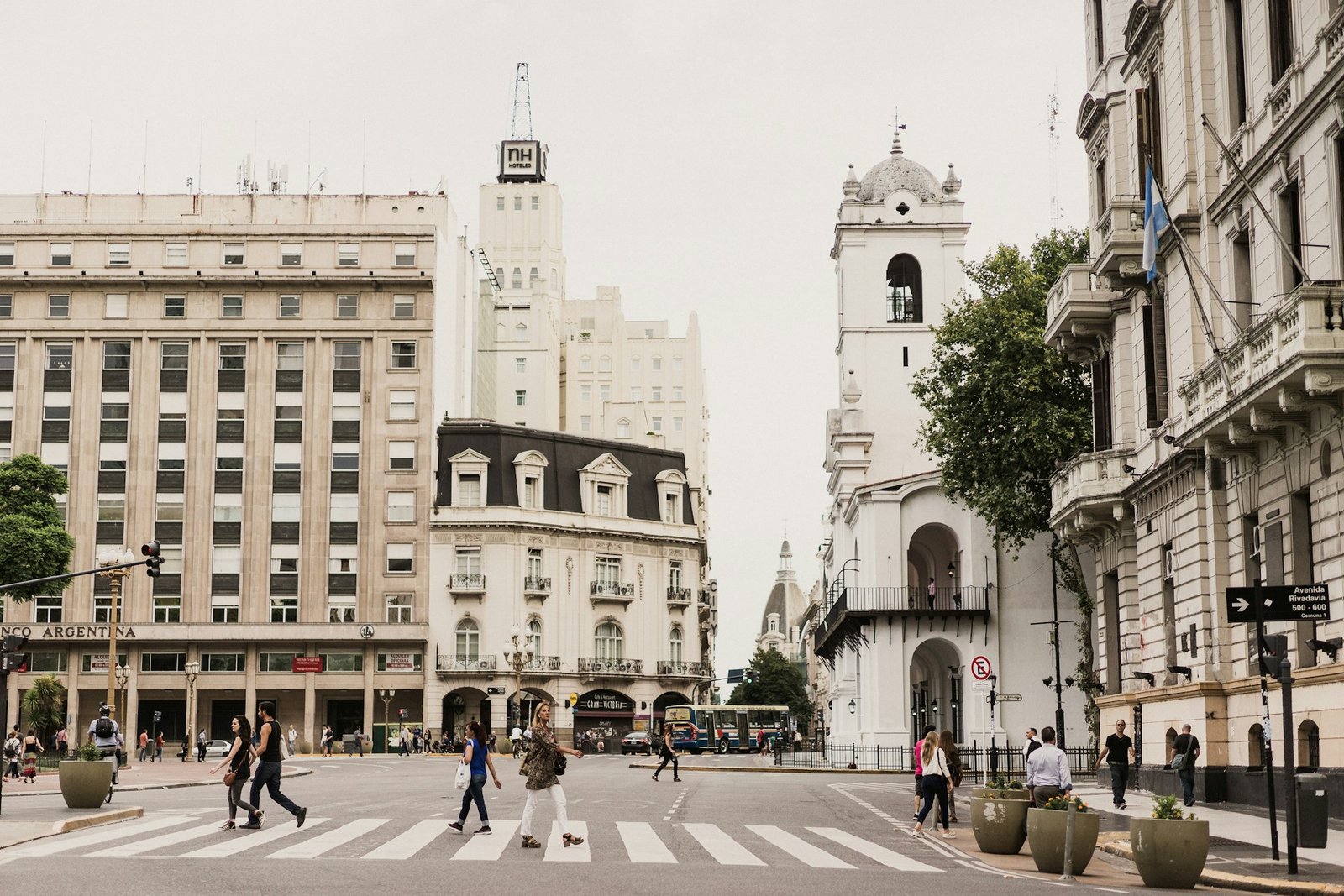
Buenos Aires drives most of the country’s fashion visibility, functioning as both creative hub and retail center. The city’s infrastructure, production facilities, local tanneries, garment districts, fashion week calendar, supports a domestic industry that operates with less dependence on international validation than most Latin American countries. Brands like Jazmin Chebar and Rapsodia built national recognition first, then expanded regionally, proving that Argentine taste can scale without needing to soften for export markets. For emerging designers looking to discover clothing brands or explore manufacturing partnerships, Argentina demonstrates how domestic market strength can provide foundation for regional expansion.

If you compare Argentina with countries like Brazil or Mexico, the difference shows in restraint. Argentine fashion skews more tailored, more controlled, and more invested in craft, particularly leather, than in overt spectacle. The country’s economic instability has shaped a pragmatic approach to design: pieces need to last, work across seasons, and justify their cost. That practicality, combined with genuine design ambition, creates a fashion scene that feels grounded rather than aspirational, real rather than performed.

20 Argentinian Clothing Brands Overview

Here’s a quick overview of the Argentinian brands featured in this guide, from heritage labels to emerging designers.

Rapsodia – Bohemian fashion empire founded 1999, translating craft traditions into contemporary wearable collections
Jazmin Chebar – Polished feminine brand established 1998, specializing in versatile contemporary pieces for professional women
Etiqueta Negra – Polo-inspired sportswear label since 1996, translating Argentine equestrian culture into refined casual wear
Vitamina – Leading activewear brand founded 1997, combining performance functionality with bold Latin American design confidence
Tramando – Artisanal brand launched 2007, collaborating with Argentine weavers to showcase traditional textile techniques
María Cher – Occasion wear specialist since 2000, creating sophisticated pieces balancing femininity with construction quality
Complot – Youth-focused fashion brand founded 1993, filtering global trends through Argentine taste and accessibility
Mimo & Co – Casual wear label established 2002, proving everyday basics can maintain style without pretension
Kostume – Minimalist brand since 2000, applying architectural construction to wearable contemporary Argentine fashion
Trosman – Heritage menswear house founded 1952, maintaining tailoring standards across seven decades of Argentine style
Uma – Bohemian label launched 2004, adapting global relaxed femininity for Argentine climate and sensibility
Hermanos Estebecorena – Legacy leather craftsmen since 1925, preserving traditional Argentine shoemaking through quality construction
Cardon – Direct-to-consumer sneaker brand founded 2015, disrupting Argentine footwear through accessible quality and local identity
Ona Saez – Sophisticated womenswear label established 2006, creating elevated pieces balancing polish with everyday wearability
Las Pepas – Artisanal brand launched 2011, connecting Argentine folk traditions with contemporary design through ethical collaboration
Ay Not Dead – Edgy footwear brand since 2006, building cult following through rock-inspired leather boot designs
Cher – Contemporary fashion label founded 1995, offering accessible trend-aware pieces for Argentine women across demographics
Mishka – Colorful youth brand established 2003, embracing vibrant femininity in market dominated by neutral minimalism
Benito Fernandez – Avant-garde designer since 1994, pushing Argentine fashion boundaries through theatrical collections referencing cultural heritage
Paruolo – Classic footwear house founded 1953, defining Argentine women’s shoes through timeless design and leather quality

Why Argentinian Clothing Brands Stand Out

Argentinian clothing brands operate through tension between European sophistication and Latin American energy that creates distinct aesthetic identity. The industry pulls from Italian tailoring traditions, Spanish leather craftsmanship, and tango culture’s emphasis on precision and drama, filtering these influences through contemporary design that feels both familiar and culturally specific. That hybrid sensibility allows Argentine brands to compete internationally while maintaining clear national character, proving that effective brand building doesn’t require choosing between global appeal and local authenticity. The approach demonstrates how strong brand identity can emerge from cultural specificity rather than generic positioning.

Leather expertise separates Argentine fashion from regional competitors. The country’s renowned cattle industry provides access to exceptional hides, while generations of Italian and Spanish immigrant craftsmen established tanning and production knowledge that persists in contemporary brands. From Hermanos Estebecorena’s traditional shoemaking to Etiqueta Negra’s equestrian-inspired goods, Argentine brands leverage material quality and construction techniques that justify premium positioning. That commitment to leather craft extends beyond heritage labels to contemporary brands like Ay Not Dead, demonstrating how traditional expertise informs modern design approaches and supports collaborative work with local artisan communities.

Economic pragmatism shapes Argentine fashion in ways that create competitive advantages. The country’s financial instability forced brands to prioritize longevity, versatility, and genuine value over disposable trend-chasing. Argentine customers expect pieces that last across seasons, work in multiple contexts, and justify their cost through quality rather than just marketing. That practical foundation, combined with genuine design ambition, produces fashion that feels substantial rather than superficial, grounded in real wardrobe needs rather than editorial fantasy. Brands like Tramando and Uma demonstrate how sustainable practices and ethical production emerge naturally from economic necessity rather than just marketing positioning, creating business models that respect both artisan communities and environmental impact. This pragmatic approach to designing clothing prioritizes function alongside aesthetics in ways that build lasting customer relationships.

Argentinian Clothing Brands

Rapsodia

Location: Buenos Aires, Argentina
Founded: 1999
Price level: medium
Product type: clothing and accessories
Style: bohemian, feminine
Website: https://rapsodia.com/
Instagram: @rapsodia

Rapsodia built a fashion empire by translating bohemian aesthetics through an Argentine lens. The brand uses embroidery, crochet, and hand-finished details in ways that feel rooted in craft traditions without looking overly folkloric. That balance made Rapsodia one of Argentina’s most successful fashion exports, with stores across Latin America and a customer base that spans generations.

The collections pull from vintage silhouettes, 1970s references, and global bohemia, but the execution stays grounded in wearability. Rapsodia designs for real wardrobes rather than editorial fantasy, which is exactly why the brand maintained relevance for over two decades. The pieces mix easily, layer well, and carry enough personality to feel special without demanding too much styling effort. What makes Rapsodia distinct in the Argentine market is scale: the brand operates over 100 stores and built infrastructure that allows it to produce locally while maintaining quality control, proving that commercial success and domestic manufacturing are not mutually exclusive.

Jazmin Chebar

Location: Buenos Aires, Argentina
Founded: 1998
Price level: high
Product type: clothing and accessories
Style: elegant, contemporary
Website: https://jazminchebar.com/
Instagram: @jazminchebar

Jazmin Chebar represents polished Argentine femininity without the stiffness that often comes with occasion wear. The brand specializes in dresses, separates, and outerwear that work for professional settings, social events, and everyday elegance. That versatility made Jazmin Chebar a go-to for Argentine women who needed clothes that could transition across contexts without feeling costume-like.

The aesthetic leans European, clean lines, quality fabrics, controlled silhouettes, but the sensibility stays distinctly Argentine. Jazmin Chebar understands that local customers value craftsmanship, appreciate tailoring, and expect pieces to last beyond a single season. That respect for the customer shows in construction quality and design choices that prioritize longevity over trend-chasing. The brand built strong retail presence across Argentina and expanded into neighboring countries, making Jazmin Chebar accessible beyond just Buenos Aires while establishing authority in contemporary Argentine fashion.

Etiqueta Negra

Location: Buenos Aires, Argentina
Founded: 1996
Price level: high
Product type: clothing
Style: polo, preppy
Website: https://etiquetanegra.com/
Instagram: @etiquetanegra

Etiqueta Negra defined Argentine sportswear by pulling from polo culture and translating it into contemporary menswear and womenswear. The brand uses references to Argentine equestrian tradition, leather details, riding-inspired cuts, without falling into literal country club aesthetics. That restraint made Etiqueta Negra feel sophisticated rather than novelty, allowing the brand to build credibility with customers who wanted quality casual wear with cultural specificity.

The product line centers on polo shirts, tailored pants, leather goods, and outerwear that all share a consistent design language: clean, well-constructed, and rooted in Argentine identity without needing to announce it loudly. What separated Etiqueta Negra from generic preppy brands was genuine connection to polo culture. Argentina has one of the world’s strongest polo scenes, and Etiqueta Negra designed for people who actually participate in that world rather than just appropriating its aesthetics, demonstrating authenticity through fabric choices, fit standards, and the way the brand balances performance needs with style considerations.

Vitamina

Location: Buenos Aires, Argentina
Founded: 1997
Price level: medium
Product type: clothing
Style: beachwear, activewear
Website: https://vitamina.com.ar/
Instagram: @vitaminaoficial

Vitamina built Argentina’s leading swimwear and activewear brand by focusing on fit, function, and fashion in equal measure. The designs are body-conscious but engineered to actually work, performance fabrics, supportive construction, cuts that stay in place, which gave Vitamina credibility with customers who needed clothes for real activity rather than just looking athletic.

The brand expanded beyond swimwear into activewear, yoga wear, and athleisure before those categories fully consolidated globally. That early positioning allowed Vitamina to own the Argentine market for stylish performance wear, building distribution through standalone stores and department store partnerships that made the brand accessible across the country. Vitamina also understood color and print in ways that many performance brands do not, using bold graphics, vibrant palettes, and pattern mixing that feel distinctly Latin American without being cliché tropical resort wear.

Tramando

Location: Buenos Aires, Argentina
Founded: 2007
Price level: medium
Product type: clothing and accessories
Style: artisanal, contemporary
Website: https://tramando.com.ar/
Instagram: @tramando_ok

Tramando approaches fashion through craft collaboration with Argentine artisans. The brand works directly with weavers, knitters, and textile producers across the country to create collections that showcase traditional techniques in contemporary designs. That model supports local craft communities while producing pieces that carry genuine cultural depth rather than surface-level references.

The aesthetic is understated and textural. Tramando uses natural fibers, hand-woven fabrics, and traditional patterns in ways that feel modern rather than folkloric. The clothes work in urban contexts, professional settings, and everyday wardrobes, proving that artisanal production does not need to limit wearability or commercial viability. What makes Tramando important in the Argentine fashion landscape is its commitment to ethical production and fair compensation for artisans, operating transparently about sourcing, pricing, and production processes.

María Cher

Location: Buenos Aires, Argentina
Founded: 2000
Price level: high
Product type: clothing
Style: feminine, romantic
Website: https://mariacher.com/
Instagram: @mariacherarg

María Cher specializes in occasion wear and elevated everyday pieces that balance femininity with sophistication. The brand uses delicate fabrics, intricate details, and silhouettes that flatter without being overtly sexy, appealing to Argentine women who want polish without primness. That sensibility made María Cher a reference for special occasions, from cocktail events to weddings to formal dinners.

The collections show strong attention to construction and finishing. María Cher invests in quality embroidery, hand-sewn details, and fabric choices that elevate the pieces beyond typical party wear. That craftsmanship justifies the higher price point and builds customer loyalty, as pieces last through multiple seasons and occasions. The brand also expanded into bridal and evening wear, creating complete looks for customers who valued consistency in aesthetic and quality, making María Cher a one-stop solution for women planning important events.

Complot

Location: Buenos Aires, Argentina
Founded: 1993
Price level: medium
Product type: clothing and accessories
Style: youthful, trend-driven
Website: https://complot.com.ar/
Instagram: @complotoficial

Complot positioned itself as the brand for young Argentine women who wanted fashion that felt current without being inaccessible. The collections move quickly, responding to global trends while filtering them through local taste and body preferences. That agility made Complot one of Argentina’s most visible youth fashion brands, with stores across the country and a customer base that spans teenagers to young professionals.

The aesthetic is feminine and commercial. Complot designs for real social occasions, nights out, casual weekends, work settings, rather than editorial fantasy. The brand understands what Argentine women actually wear and delivers on those needs with consistent quality and pricing that stays accessible for its target demographic. What keeps Complot competitive is retail strategy: the brand operates standalone stores in high-traffic locations, maintains strong e-commerce, and uses social media effectively to build community around new drops and seasonal collections.

Mimo & Co

Location: Buenos Aires, Argentina
Founded: 2002
Price level: medium
Product type: clothing
Style: casual, comfortable
Website: https://mimoandco.com/
Instagram: @mimoandco

Mimo & Co built a brand around the idea that casual wear can be stylish without being precious. The collections focus on jersey pieces, knits, and comfortable separates that work for everyday life rather than special occasions. That practical approach resonated with Argentine women who needed wardrobes that could handle school runs, work-from-home days, and weekend activities without sacrificing style.

The designs are clean and versatile. Mimo & Co uses neutral palettes, simple silhouettes, and quality basics that mix easily and layer well. That minimalist sensibility feels almost Scandinavian but adapted for Argentine climate and lifestyle, proving that restraint and wearability can coexist with enough personality to build brand recognition. The brand also expanded into childrenswear, creating matching aesthetics for mothers and children that built additional revenue streams while strengthening brand loyalty through family-focused positioning.

Kostume

Location: Buenos Aires, Argentina
Founded: 2000
Price level: high
Product type: clothing
Style: minimalist, architectural
Website: https://kostume.com.ar/
Instagram: @kostume_oficial

Kostume approaches Argentine fashion through minimalism and architectural construction. The brand uses clean lines, monochromatic palettes, and sculptural silhouettes that reference European avant-garde fashion while maintaining enough accessibility to work in professional and social contexts. That balance made Kostume a favorite among Argentine women who wanted sophistication without obvious branding or trend-driven design.

The collections prioritize construction over decoration. Kostume invests in precise tailoring, innovative pattern-making, and fabric manipulation that creates visual interest through form rather than surface embellishment. That approach requires technical skill and quality production, which is exactly what justifies the brand’s positioning in Argentina’s upper-tier fashion market. The brand also maintained relatively small production runs and selective retail distribution, preserving exclusivity and appeal to customers seeking pieces that feel special rather than mass-market.

Trosman

Location: Buenos Aires, Argentina
Founded: 1952
Price level: high
Product type: clothing
Style: menswear, tailoring
Website: https://trosman.com.ar/
Instagram: @trosmanoficial

Trosman has been defining Argentine menswear since the 1950s, which gives the brand institutional authority that younger labels cannot replicate. The focus is classic tailoring, suits, dress shirts, formal wear, executed with attention to fabric quality, fit standards, and construction details that matter to customers who actually wear tailored clothing regularly rather than just for special occasions.

The brand stayed relevant by evolving slowly rather than chasing every trend. Trosman updated fits to feel contemporary, introduced casual pieces alongside formal wear, and maintained manufacturing quality even as many competitors moved production offshore. That consistency is exactly what built multi-generational loyalty, where fathers bring sons to Trosman for their first suits and continue shopping there for decades. The brand also understood retail experience, maintaining stores that feel premium without being intimidating and offering alterations and repairs that extend garment life.

Uma

Location: Buenos Aires, Argentina
Founded: 2004
Price level: medium
Product type: clothing
Style: bohemian, relaxed
Website: https://uma.com.ar/
Instagram: @uma_oficial

Uma built a brand around relaxed femininity and bohemian sensibility that feels more coastal California than traditional Argentine elegance. The collections use flowing silhouettes, natural fabrics, and prints that reference global boho aesthetics while maintaining enough specificity to avoid feeling generic. That approach carved out a distinct lane in Argentina’s fashion market, appealing to women who wanted alternatives to more structured or trend-driven brands.

The pieces are designed for versatility and layering. Uma creates separates that work together across seasons, travel well, and adapt to different styling approaches. That flexibility made Uma popular with customers who valued investment pieces that could serve multiple functions rather than single-occasion garments that sit unused most of the year. The brand also leaned into sustainability messaging and ethical production practices relatively early for an Argentine brand, resonating with environmentally conscious consumers.

Hermanos Estebecorena

Location: Buenos Aires, Argentina
Founded: 1925
Price level: high
Product type: footwear and accessories
Style: classic, leather
Website: https://estebecorena.com/
Instagram: @hnosestebecorena

Hermanos Estebecorena represents nearly a century of Argentine leather craftsmanship. The brand specializes in men’s shoes, belts, and leather goods made using traditional construction methods and Argentine leather that has global recognition for quality. That heritage gives Hermanos Estebecorena authority in a category where provenance and craft legitimacy matter to discerning customers.

The designs are classic rather than trendy. Hermanos Estebecorena produces dress shoes, loafers, and formal footwear that stay relevant across decades rather than seasons. That timeless approach works because the brand targets customers who understand quality construction, appreciate Goodyear welting and full-grain leather, and expect shoes to last years rather than months. The brand also maintained Argentine production when many footwear brands moved manufacturing to lower-cost countries, preserving traditional shoemaking skills and supporting domestic employment.

Cardon

Location: Buenos Aires, Argentina
Founded: 2015
Price level: medium
Product type: footwear
Style: sneakers, casual
Website: https://cardon.com.ar/
Instagram: @cardon

Cardon disrupted Argentine footwear by launching as a direct-to-consumer sneaker brand before that model became standard in Latin America. The brand started online-only, cutting out retail margins and passing savings to customers while maintaining quality comparable to international sneaker brands. That strategy worked because Cardon invested in product development and customer service rather than just competing on price.

The designs are clean and versatile. Cardon produces minimalist sneakers in neutral colorways that work across casual wardrobes rather than chasing hype-driven streetwear aesthetics. That accessible approach made Cardon popular with Argentine consumers who wanted quality everyday footwear without needing to navigate limited drops or inflated resale markets. The brand also built strong visual identity through consistent design language and community engagement, using Argentine cultural references in campaigns and positioning itself as homegrown alternative to imported sneaker giants.

Ona Saez

Location: Buenos Aires, Argentina
Founded: 2006
Price level: high
Product type: clothing
Style: feminine, sophisticated
Website: https://onasaez.com/
Instagram: @onasaez

Ona Saez builds collections around feminine silhouettes and sophisticated details that appeal to Argentine women seeking elevated everyday wear. The brand uses quality fabrics, precise tailoring, and design choices that feel special without being overly formal or occasion-specific. That balance made Ona Saez a reference for professional women who needed wardrobes that worked across business meetings, social events, and daily life.

The aesthetic leans polished and controlled. Ona Saez designs with attention to proportion, fit, and finishing that shows respect for the customer and understanding of what actually flatters diverse body types. That consideration builds loyalty because the clothes deliver on their promise rather than just photographing well on models. The brand also maintained selective retail distribution and avoided overexpansion that could dilute brand perception, operating its own stores in key locations and partnering with premium department stores to reinforce luxury positioning.

Las Pepas

Location: Buenos Aires, Argentina
Founded: 2011
Price level: medium
Product type: clothing and accessories
Style: bohemian, artisanal
Website: https://laspepas.com/
Instagram: @laspepasok

Las Pepas approaches fashion through brand storytelling and cultural references that pull from Argentine folk traditions, indigenous textiles, and regional craft techniques. The brand works with artisan communities to source handwoven fabrics, natural dyes, and traditional embroidery that give the collections depth beyond surface-level bohemian aesthetics. That authenticity made Las Pepas stand out in a market where many brands appropriate folk references without genuine connection to source communities.

The designs balance cultural specificity with contemporary wearability. Las Pepas translates traditional patterns and techniques into modern silhouettes that work in urban contexts rather than feeling costume-like. That translation requires skill and sensitivity, respecting source traditions while creating pieces that fit into contemporary wardrobes. The brand also built strong brand narrative around its founder’s travels through Argentina and relationships with artisan producers, giving Las Pepas personality that differentiates it from purely commercial fashion labels.

Ay Not Dead

Location: Buenos Aires, Argentina
Founded: 2006
Price level: medium
Product type: footwear
Style: boots, edgy
Website: https://aynotdead.com/
Instagram: @aynotdead

Ay Not Dead built a cult following through distinctive boot designs and edgy aesthetic that feels more rock and roll than typical Argentine fashion. The brand specializes in leather boots with metal hardware, studded details, and silhouettes that reference motorcycle culture and punk aesthetics. That attitude made Ay Not Dead popular with customers seeking alternatives to polished feminine footwear dominating most Argentine brands.

The construction quality backs up the design. Ay Not Dead uses Argentine leather and local manufacturing to produce boots that actually last rather than just looking tough. That durability matters to the target customer, who wears the boots heavily and expects them to hold up through daily use rather than serving as occasional statement pieces. The brand also expanded internationally through strategic retail partnerships and e-commerce, making Ay Not Dead accessible beyond Argentina while maintaining production at home, proving Argentine design can compete internationally when the product is strong enough.

Cher

Location: Buenos Aires, Argentina
Founded: 1995
Price level: medium
Product type: clothing
Style: feminine, contemporary
Website: https://cher.com.ar/
Instagram: @cher_oficial

Cher positions itself as accessible contemporary fashion for Argentine women across age ranges and style preferences. The collections balance trend awareness with commercial wearability, offering pieces that feel current without being so fashion-forward that they alienate mainstream customers. That middle ground made Cher one of Argentina’s most consistently successful mid-market brands.

The product range is broad. Cher offers everything from casual basics to workwear to evening pieces, creating complete wardrobes rather than just seasonal collections. That comprehensive approach builds customer loyalty by solving multiple wardrobe needs within one brand ecosystem, reducing friction and increasing wallet share. The brand also invested heavily in retail presence across Argentina, opening stores in secondary cities and building national recognition beyond just Buenos Aires, positioning Cher as democratic rather than exclusively metropolitan.

Mishka

Location: Buenos Aires, Argentina
Founded: 2003
Price level: medium
Product type: clothing
Style: youthful, colorful
Website: https://mishka.com.ar/
Instagram: @mishkaok

Mishka targets young Argentine women with collections that embrace color, print, and playful femininity. The brand uses vibrant palettes, graphic patterns, and silhouettes that feel optimistic and energetic rather than serious or restrained. That joyful approach differentiated Mishka in a market where many brands default to neutral minimalism or classic elegance.

The designs are commercial and accessible. Mishka creates pieces that work for everyday life, university, casual work environments, social occasions, rather than just special events. That practical focus combined with distinctive visual identity gave Mishka strong recognition among younger consumers who wanted personality in their wardrobes without sacrificing wearability. The brand also understood social media and influencer marketing relatively early for an Argentine brand, leveraging the visual nature of bold colors and prints that photograph well for Instagram-driven discovery.

Benito Fernandez

Location: Buenos Aires, Argentina
Founded: 1994
Price level: high
Product type: clothing
Style: avant-garde, theatrical
Website: https://benitofernandez.com/
Instagram: @benitofernandezoficial

Benito Fernandez represents Argentine fashion at its most experimental and theatrical. The brand produces collections that blur the line between clothing and costume, using dramatic silhouettes, unexpected material combinations, and references to tango culture, Argentine folklore, and contemporary art. That bold approach made Benito Fernandez a fixture at Buenos Aires Fashion Week and positioned the brand as Argentina’s answer to avant-garde European designers.

The work is conceptual but wearable. Benito Fernandez designs pieces that make statements without being purely performance art, proving that experimental fashion can exist in commercial contexts when executed with skill and restraint. That balance attracted customers who wanted clothing with artistic merit and cultural significance beyond just trend participation. The brand also built strong celebrity clientele and red carpet presence, dressing Argentine actors, musicians, and public figures for high-visibility events, demonstrating that Argentine design can compete at the luxury level.

Paruolo

Location: Buenos Aires, Argentina
Founded: 1953
Price level: high
Product type: footwear
Style: elegant, classic
Website: https://paruolo.com/
Instagram: @paruolozapatos

Paruolo has been defining Argentine women’s footwear since the 1950s, building reputation on quality leather, elegant design, and construction standards that prioritized comfort alongside style. The brand produces heels, flats, and boots that work for professional and social contexts, appealing to Argentine women who need shoes that last through long days and multiple occasions.

The designs are timeless rather than trendy. Paruolo creates styles that stay relevant across seasons and years, focusing on classic silhouettes, quality materials, and neutral palettes that integrate easily into existing wardrobes. That approach builds customer loyalty because Paruolo shoes become wardrobe staples rather than seasonal purchases that quickly feel dated. The brand also maintained Argentine manufacturing and leather sourcing, which gives Paruolo authenticity in a category where origin matters to quality-conscious customers.

Other Notable Argentinian Clothing Brands

Jessica Trosman – Designer known for conceptual collections exploring textile innovation and sustainable design practices through recycled fabrics and zero-waste pattern-making since the 1990s.

Martin Churba – Founder of Tramando who centers craft collaboration in his design process, connecting urban fashion with rural Argentine textile traditions through ethical artisan partnerships.

Pablo Ramirez – Designer approaching Argentine fashion through architectural silhouettes and precise tailoring that reference European avant-garde while maintaining distinct local perspective.

Laurencio Adot – Menswear specialist updating classic Argentine elegance for contemporary contexts, referencing tango culture’s attention to detail and fit precision without falling into costume.

Marcelo Senra – Designer known for theatrical collections pushing wearability boundaries while maintaining connection to tango culture and Buenos Aires performance traditions.

Ricky Sarkany – Footwear brand established 1960 focusing on women’s shoes and accessories, building reputation through quality leather and contemporary Argentine design.

Kosiuko – Contemporary brand creating casual womenswear with focus on denim and everyday pieces, appealing to young Argentine consumers through accessible pricing and trend awareness.

Frequently Asked Questions About Argentinian Clothing Brands

What are the most famous Argentinian clothing brands?

The most internationally recognized Argentinian clothing brands include Rapsodia, Jazmin Chebar, and Etiqueta Negra. Rapsodia built fashion empire through bohemian aesthetics and craft-inspired details, operating over 100 stores across Latin America with customer base spanning generations. Jazmin Chebar represents polished Argentine femininity through versatile contemporary pieces working across professional and social contexts. Etiqueta Negra defined Argentine sportswear by translating polo culture into sophisticated casual wear with genuine equestrian heritage. These brands demonstrate Argentina’s fashion range from bohemian craftsmanship to refined tailoring.

What makes Argentinian fashion unique?

Argentinian fashion distinguishes itself through tension between European sophistication and Latin American energy, creating hybrid aesthetic rooted in cultural specificity. The industry pulls from Italian tailoring traditions, Spanish leather craft, and tango culture’s emphasis on precision and drama, filtering these influences through contemporary design that feels both globally familiar and distinctly Argentine. Economic pragmatism shapes brand positioning, with customers expecting pieces that last across seasons and justify cost through quality rather than disposable trends. That combination of cultural confidence, craft heritage, and practical design thinking creates fashion scene that feels grounded rather than aspirational.

Are Argentinian brands focused on leather goods?

Argentine brands excel in leather goods due to the country’s renowned cattle industry providing exceptional hides and generations of immigrant craftsmen establishing production expertise. Heritage brands like Hermanos Estebecorena and Paruolo built reputations on traditional leather construction methods, while contemporary labels like Etiqueta Negra and Ay Not Dead leverage material quality in modern designs. The country’s leather expertise extends beyond footwear to bags, belts, and accessories, with brands maintaining Argentine production to control quality and preserve traditional techniques. That leather focus reflects both material availability and cultural appreciation for craft quality that justifies premium positioning.

What Argentinian brands specialize in bohemian style?

Argentinian bohemian fashion centers on brands like Rapsodia, Uma, and Las Pepas, which translate global boho aesthetics through local craft traditions and cultural references. Rapsodia pioneered the category through embroidery, crochet, and hand-finished details rooted in Argentine textile traditions, building commercial success across Latin America. Uma adapts relaxed femininity for Argentine climate and lifestyle through natural fabrics and flowing silhouettes, while Las Pepas works directly with artisan communities to source handwoven fabrics and traditional techniques. These brands demonstrate how bohemian style maintains authenticity when connected to genuine craft heritage rather than just surface aesthetics.

How does Argentinian fashion compare to Brazilian fashion?

Argentinian fashion skews more tailored, controlled, and invested in craft compared to Brazilian fashion’s emphasis on color, body consciousness, and tropical resort aesthetics. Argentine brands prioritize European-influenced sophistication, leather expertise, and design restraint, reflecting tango culture’s precision and immigrant heritage’s tailoring standards. Brazilian fashion celebrates bold prints, vibrant palettes, and beach culture, targeting different aesthetic sensibility and lifestyle context. The economic difference also shapes approaches: Argentina’s instability created pragmatic focus on longevity and value, while Brazil’s larger domestic market and international visibility allowed more trend-driven commercial fashion. For brands looking to understand different market approaches, these cultural distinctions inform marketing strategy and customer engagement.

What affordable Argentinian clothing brands exist?

Affordable Argentinian fashion includes brands like Complot, Mishka, and Cher, offering trend-aware pieces at accessible price points for young consumers and middle-market customers. Complot positions itself as youth-focused brand filtering global trends through Argentine taste, maintaining quality and pricing that stays accessible for teenagers to young professionals. Mishka embraces colorful femininity through vibrant palettes and playful designs working for everyday life and social occasions. Cher operates across broader demographic through comprehensive product range from basics to evening wear, building national presence through stores in secondary cities beyond just Buenos Aires metropolitan area. These brands prove that Argentine design sensibility works across price points, not just luxury segment. Emerging designers can promote their brands for free to build initial visibility before scaling operations.

Similar Posts