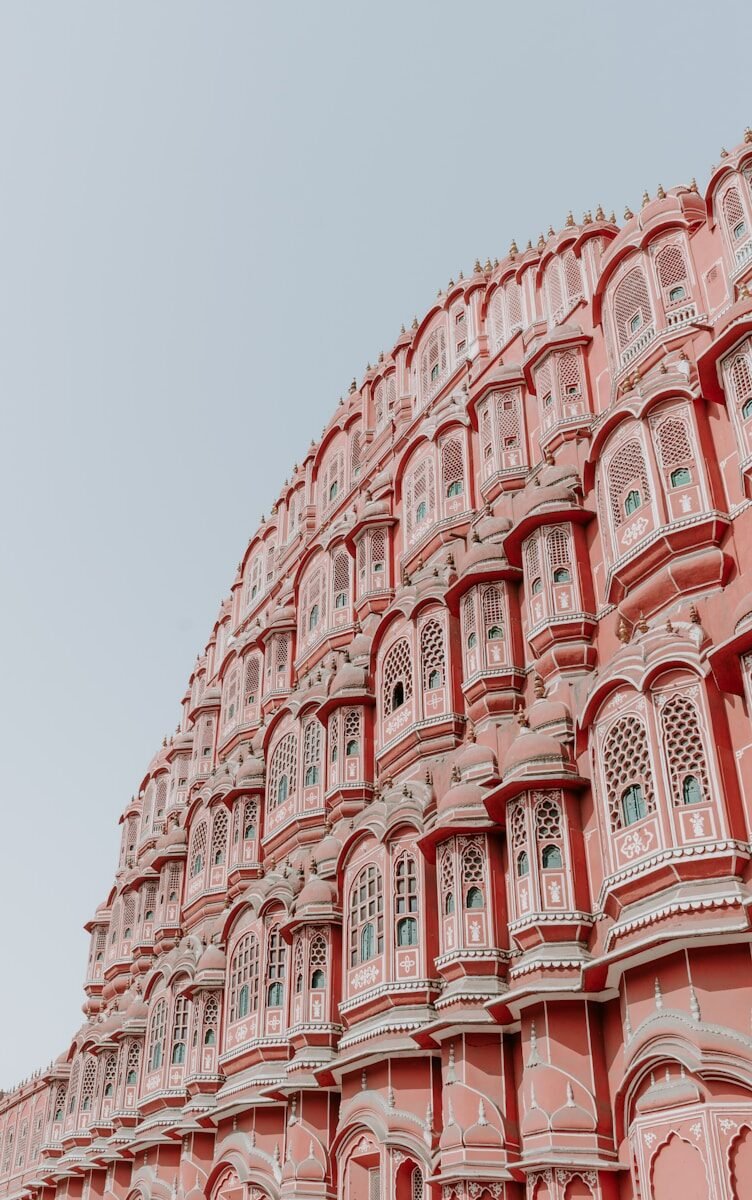
12 Indian Clothing Brands Worth Knowing (2026)
Indian fashion operates through unique synthesis of ancient textile traditions and contemporary design ambitions, where handloom heritage, embroidery expertise, and craft diversity inform brands serving both massive domestic market and international fashion landscape. The industry built competitive advantages through unparalleled craft knowledge spanning regional weaving traditions, embellishment techniques, and artisanal skills that create fashion carrying cultural depth and technical excellence impossible to replicate through industrial manufacturing alone. That foundation, combining centuries of textile mastery with contemporary design thinking and entrepreneurial energy, gives Indian fashion distinctive identity where traditional craft and modern innovation coexist rather than competing for dominance.
Lakmé Fashion Week and India Fashion Week established platforms for Indian designers since early 2000s, creating visibility and infrastructure supporting emerging talent while showcasing established designers to domestic luxury market and international buyers. The ecosystem combines prestigious design schools like National Institute of Fashion Technology producing thousands of graduates annually, regional craft clusters maintaining traditional techniques, massive domestic market supporting diverse price points and aesthetic positions, and younger generation building brands targeting global audiences through digital channels and cultural authenticity. That infrastructure enables Indian fashion to compete through craft excellence, cultural storytelling, and scale impossible for smaller fashion nations.
If you compare India with countries like China or Japan, the difference shows in craft diversity and cultural heritage depth. Chinese fashion benefits from manufacturing scale and emerging designer energy, while Japanese fashion operates through established avant-garde tradition and technical precision. Indian fashion sits in unique position, leveraging craft heritage and cultural richness that provides endless design inspiration and technical capabilities while developing contemporary brands serving both domestic market and international fashion through strategic positioning balancing tradition and modernity. That dual identity, honoring heritage while creating contemporary fashion, defines Indian fashion’s competitive strategy and global cultural influence.
Perfect!
Stap 3: Merken uitwerken (1/4)
Sabyasachi
Location: Kolkata, India
Founded: 1999
Price level: luxury
Product type: clothing and accessories
Style: bridal, traditional
Website: https://www.sabyasachi.com/
Instagram: @sabyasachiofficial
Sabyasachi built Indian fashion’s most commercially successful luxury brand through maximalist design celebrating Indian craft heritage and bridal opulence. Designer Sabyasachi Mukherjee creates pieces using traditional embroidery, handloom textiles, and aesthetic embracing rich color, heavy embellishment, and unapologetic Indian identity. That cultural confidence, making Indian heritage central to luxury positioning rather than westernizing for broader appeal, demonstrated Indian designers can build globally recognized brands through cultural authenticity and craft excellence when execution quality and brand storytelling justify premium pricing.
The designs emphasize craft maximalism and traditional techniques. Sabyasachi creates pieces using heritage textiles, intricate embroidery, and construction methods requiring skilled artisan labor that cannot be mechanized or mass-produced. The brand serves Indian bridal market and luxury customers and proved Indian craft heritage provides sustainable competitive advantage when artisanal quality and cultural authenticity create value that international luxury brands cannot replicate through their manufacturing or design approaches.
What separates Sabyasachi from competitors is transformation of Indian bridal wear into global luxury category through strategic brand building and celebrity endorsement. The designer achieved Bollywood celebrity following, international retail presence, and brand recognition extending beyond just India into global Indian diaspora market. That success proved Indian designers can build luxury empires through cultural specificity and craft excellence when brand positioning and execution quality meet international luxury standards while maintaining authentic Indian identity.
Anita Dongre
Location: Mumbai, India
Founded: 1995
Price level: high
Product type: clothing
Style: contemporary, sustainable
Website: https://www.anitadongre.com/
Instagram: @anitadongre
Anita Dongre built Indian fashion empire through multiple brand lines serving diverse customer segments from bridal luxury to contemporary sustainable fashion. The designer creates pieces using traditional Indian textiles, contemporary silhouettes, and commitment to artisan support and environmental responsibility. That strategic diversification, operating across price points and aesthetic positions while maintaining consistent quality and values, demonstrated Indian designers can build scalable businesses through understanding market segmentation and serving multiple customer needs when execution standards remain consistent across brand portfolio.
The approach balances Indian craft heritage with contemporary wearability. Anita Dongre creates collections mixing traditional embroidery and handloom fabrics with modern silhouettes and styling that work for contemporary lifestyle. The brand serves Indian women across occasions and proved designers can succeed through versatility and market understanding when product development reflects diverse customer needs from bridal occasions to everyday sustainable fashion.
Anita Dongre also pioneered sustainable luxury in Indian context through Grassroot initiative supporting rural artisans and environmental practices. That commitment, integrating social responsibility and craft preservation into business model, demonstrated Indian fashion can lead sustainability thinking through authentic artisan relationships and transparent production when environmental values and cultural heritage preservation align with commercial success creating positive impact alongside profit.
Manish Malhotra
Location: Mumbai, India
Founded: 2005
Price level: luxury
Product type: clothing
Style: Bollywood, glamorous
Website: https://www.manishmalhotra.in/
Instagram: @manishmalhotra05
Manish Malhotra represents Indian fashion’s connection to Bollywood through glamorous design and celebrity costume expertise translated into luxury brand. The designer creates pieces using rich embellishment, dramatic silhouettes, and aesthetic shaped by decades dressing Bollywood stars for film and events. That entertainment industry connection, leveraging celebrity credibility and red carpet visibility, demonstrated Indian fashion’s unique relationship with cinema and how Bollywood styling influences bridal and occasion wear market when designer reputation and celebrity association drive luxury positioning.
The designs emphasize drama and embellishment. Manish Malhotra creates pieces using intricate beadwork, embroidery, and construction techniques that create red-carpet worthy impact and bridal opulence. The brand serves Indian luxury customers seeking glamour and proved Bollywood connection provides powerful marketing platform when celebrity endorsement and film visibility create aspirational brand image driving commercial success in bridal and occasion wear categories.
Manish Malhotra also achieved international presence through dressing global celebrities and showcasing at international platforms. That cross-cultural appeal demonstrated Indian glamour and craft excellence resonates beyond just domestic market when design sophistication and celebrity association create value for international customers seeking distinctive luxury fashion rooted in authentic craft traditions and cultural richness.
Tarun Tahiliani
Location: New Delhi, India
Founded: 1987
Price level: luxury
Product type: clothing
Style: fusion, contemporary
Website: https://www.taruntahiliani.com/
Instagram: @taruntahiliani
Tarun Tahiliani pioneered Indian fusion fashion through blending traditional Indian elements with Western silhouettes and contemporary aesthetics. The designer creates pieces mixing draping techniques, traditional embroidery, and Indian textiles with modern construction and global fashion sensibility. That synthesis, making Indian fashion accessible and appealing beyond just traditional occasions, demonstrated designers can bridge cultural aesthetics when execution quality and design sophistication meet international contemporary standards while maintaining Indian craft excellence and cultural authenticity.
The designs balance Indian craft with contemporary wearability. Tarun Tahiliani creates pieces that honor traditional techniques through embellishment and textile choices while offering silhouettes and styling that work for both Indian and international contexts. The brand serves customers seeking fusion fashion and proved Indian designers can create contemporary luxury through cultural synthesis when design vision and technical execution enable authentic blending rather than superficial combination of disparate elements.
Tarun Tahiliani also established retail presence through luxury stores and international showcases that positioned Indian fusion fashion within global luxury landscape. The success demonstrated Indian contemporary fashion can attract international luxury customers through design innovation and craft quality when positioning and execution meet standards for premium contemporary fashion deserving global recognition and retail presence.
Ritu Kumar
Location: New Delhi, India
Founded: 1969
Price level: high
Product type: clothing
Style: traditional, heritage
Website: https://www.ritukumar.com/
Instagram: @ritu_kumar
Ritu Kumar represents Indian fashion’s longest-established heritage brand through traditional textiles and craft revivalist approach spanning five decades. The designer built career researching and reviving endangered Indian textile traditions, creating collections using historical techniques and regional crafts that might otherwise disappear. That cultural preservation mission, treating fashion as vehicle for craft continuity and cultural knowledge transmission, demonstrated Indian designers can build sustainable businesses through heritage protection when craft excellence and cultural storytelling create commercial value alongside social impact.
The designs emphasize traditional Indian textiles and techniques. Ritu Kumar creates pieces using block printing, traditional embroidery, and regional weaving executed with quality and authenticity that honors craft heritage. The brand serves customers seeking traditional Indian fashion and proved craft revivalism can sustain commercial fashion when quality execution and cultural authenticity justify premium positioning for products carrying genuine heritage knowledge and artisanal excellence.
Ritu Kumar also pioneered ready-to-wear Indian fashion and retail expansion making traditional Indian clothing accessible beyond just custom tailoring or occasion wear. That democratization, creating retail infrastructure for Indian fashion, influenced entire industry by demonstrating sustainable business models exist for traditional Indian fashion through strategic retail and product development when craft heritage translates into contemporary commercial offerings.
Raw Mango
Location: New Delhi, India
Founded: 2008
Price level: high
Product type: clothing and textiles
Style: handloom, contemporary
Website: https://www.rawmango.com/
Instagram: @raw_mango
Raw Mango built Indian brand through contemporary approach to traditional handloom sarees and textiles. Designer Sanjay Garg creates pieces using heritage weaving techniques, quality silk, and design aesthetic that feels modern while honoring traditional Indian textile excellence. That positioning, making handloom contemporary and commercially viable for younger customers, demonstrated Indian traditional categories can attract new generations through thoughtful design and quality execution when respecting craft traditions while updating aesthetic sensibility and marketing approach.
The designs emphasize textile quality and minimalist aesthetics. Raw Mango creates sarees and garments using traditional weaving executed with refined color palettes and contemporary styling that appeals beyond just traditional occasions. The brand serves customers seeking quality handloom and proved traditional Indian textiles can compete with contemporary fashion when design vision and execution quality justify premium positioning for younger customers valuing craft heritage alongside contemporary aesthetics.
Raw Mango also built brand through storytelling emphasizing weaver relationships and textile knowledge. That transparent communication about craft processes and artisan collaborations demonstrated handloom brands can create value through education and cultural engagement when customers understand and appreciate craft excellence and traditional knowledge embedded in products beyond just aesthetic appeal or functional utility.
Abraham & Thakore
Location: New Delhi, India
Founded: 1992
Price level: high
Product type: clothing and textiles
Style: minimalist, contemporary
Website: https://www.abrahamandthakore.com/
Instagram: @abrahamandthakore
Abraham & Thakore built Indian brand through minimalist design and textile innovation using traditional Indian weaving and printing techniques. Designers David Abraham and Rakesh Thakore create pieces using handloom fabrics, natural dyes, and aesthetic emphasizing clean lines and quality textiles over embellishment or decoration. That restrained approach, proving Indian fashion encompasses minimalism alongside maximalist tradition, demonstrated designers can succeed through textile excellence and design restraint when execution quality and material innovation create value beyond just surface decoration or obvious Indian references.
The designs emphasize fabric quality and construction simplicity. Abraham & Thakore create pieces where textile innovation and dyeing expertise drive design rather than embellishment or complex silhouettes. The brand serves customers appreciating material quality and proved Indian designers can work in contemporary minimalist aesthetics when craft excellence and technical innovation in textiles justify premium positioning for pieces prioritizing substance over obvious decoration.
Abraham & Thakore also achieved international recognition through collaborations and retail presence demonstrating Indian minimalist fashion can compete globally. The success proved Indian textile innovation and design sophistication appeal beyond just domestic market when quality execution and distinctive approach to materials differentiate from both traditional Indian maximalism and Western minimalism lacking comparable craft depth and textile expertise.
Masaba Gupta (House of Masaba)
Location: Mumbai, India
Founded: 2009
Price level: medium
Product type: clothing
Style: contemporary, prints
Website: https://www.houseofmasaba.com/
Instagram: @houseofmasaba
Masaba Gupta built Indian contemporary brand through bold prints and contemporary silhouettes targeting younger customers seeking Indian identity without traditional heaviness. The designer creates pieces using distinctive graphics, contemporary styling, and aesthetic balancing Indian visual language with modern wearability. That fresh approach, making Indian fashion accessible and fun for younger generation, demonstrated designers can attract new customers through updated aesthetics when maintaining cultural connection while avoiding traditional occasion-wear codes that feel inaccessible or overly formal.
The designs use graphic prints and contemporary construction. Masaba creates pieces that feel distinctly Indian through visual references and color choices while offering silhouettes and styling that work for everyday contemporary lifestyle. The brand serves younger Indian women seeking cultural connection and proved contemporary Indian fashion can succeed through bridging tradition and modernity when design execution and pricing make Indian identity accessible for casual wear and professional contexts beyond just weddings and ceremonies.
Masaba also leveraged social media and celebrity visibility to build brand recognition and customer engagement. That digital-native approach demonstrated Indian designers can build brands through online platforms and influencer culture when brand personality and customer communication resonate with younger demographics seeking fashion brands that reflect contemporary Indian identity and lifestyle rather than just traditional values and aesthetic codes.
Amit Aggarwal
Location: New Delhi, India
Founded: 2012
Price level: luxury
Product type: clothing
Style: innovative, sculptural
Website: https://www.amitaggarwal.in/
Instagram: @amitaggarwalofficial
Amit Aggarwal represents Indian fashion at its most technically innovative through experimental construction and material manipulation creating sculptural fashion. The designer creates pieces using unconventional materials, innovative pleating, and techniques that transform industrial fabrics into luxury fashion through technical skill and creative vision. That experimental approach demonstrated Indian fashion encompasses avant-garde innovation and that technical excellence can drive luxury positioning when execution quality and design innovation justify premium pricing through genuine material and construction breakthroughs.
The designs balance innovation with wearability. Amit Aggarwal creates pieces that push technical boundaries through material experimentation while maintaining silhouettes and construction that enable actual wearing rather than just artistic presentation. The work serves luxury customers seeking design innovation and proved Indian designers can compete at highest conceptual levels when creative vision and technical execution meet international standards for innovative luxury fashion deserving critical attention and commercial success.
Amit Aggarwal also achieved international recognition including Amazon India Fashion Week and Lakmé Fashion Week grand finales positioning Indian technical innovation within contemporary fashion discourse. The visibility demonstrated Indian fashion includes avant-garde voices working at material and construction innovation frontiers, that Indian design education supports experimental thinking, and that Indian contemporary fashion encompasses technical excellence alongside craft heritage when creative talent and platform access enable recognition.
Anavila
Location: Mumbai, India
Founded: 2012
Price level: high
Product type: clothing
Style: sustainable, minimal
Website: https://www.anavila.in/
Instagram: @anavilamv
Anavila built Indian brand through sustainable design and handloom textiles executed with contemporary minimalist aesthetics. Designer Anavila Misra creates pieces using natural fibers, handwoven fabrics, and design approach emphasizing textile quality and sustainable production. That combination, making sustainability central to brand while maintaining contemporary design appeal, demonstrated Indian fashion can lead conscious fashion through authentic artisan relationships and environmental commitment when quality execution and design sophistication justify premium positioning.
The designs emphasize natural textiles and understated elegance. Anavila creates pieces using linen, handloom cotton, and natural fibers executed with minimalist silhouettes and refined styling. The brand serves customers seeking sustainable fashion and proved Indian handloom and artisan traditions support contemporary sustainable brands when design quality and transparent production practices align with conscious consumer values and aesthetic preferences for minimalist contemporary fashion.
Anavila also built brand through storytelling emphasizing artisan partnerships and sustainable practices. That transparent communication about production and values demonstrated sustainable Indian fashion can create value through authentic commitment and cultural engagement when environmental responsibility and craft preservation extend beyond marketing into actual business operations and artisan relationships creating positive social and environmental impact.
11.11 / Eleven Eleven
Location: Mumbai, India
Founded: 2015
Price level: medium
Product type: clothing
Style: sustainable, contemporary
Website: https://www.1111.in/
Instagram: @11.11_eleveneleven
11.11 / Eleven Eleven represents Indian sustainable fashion through transparent production and contemporary design using organic and sustainable materials. The brand produces pieces using environmentally conscious fabrics, ethical manufacturing, and design approach balancing sustainability with contemporary aesthetics and commercial accessibility. That positioning, making sustainable fashion approachable and stylish rather than just ethical obligation, demonstrated Indian brands can build recognition through values alignment when execution quality and design appeal justify premium over conventional alternatives.
The approach emphasizes transparency and accessible sustainability. 11.11 creates pieces using sustainable materials and production methods while maintaining contemporary styling and pricing that makes conscious fashion accessible beyond just luxury customers. The brand serves customers seeking sustainable options and proved Indian sustainable fashion can scale through strategic positioning and operational efficiency when environmental commitment and design quality create value proposition competitive with conventional contemporary fashion.
11.11 also built brand through clear communication about sustainability practices and production transparency. That honest engagement with environmental challenges and supply chain realities demonstrated sustainable brands can build customer trust through authentic commitment rather than just green marketing when transparency and accountability extend into actual business practices and measurable environmental and social impact.
Nicobar
Location: Mumbai, India
Founded: 2016
Price level: medium
Product type: clothing and lifestyle
Style: contemporary, lifestyle
Website: https://www.nicobar.com/
Instagram: @nicobardesign
Nicobar built Indian lifestyle brand through contemporary design and holistic brand experience combining fashion with home goods and cultural products. The label produces clothing using quality construction, contemporary aesthetics, and design approach treating fashion as part of broader lifestyle vision rooted in Indian sensibility and global influences. That integrated positioning demonstrated Indian brands can create lifestyle concepts beyond just fashion when execution quality across categories and retail experience create coherent brand universe appealing to customers seeking curated contemporary Indian lifestyle.
The designs emphasize versatility and contemporary Indian aesthetics. Nicobar creates pieces that work for urban lifestyle through quality fabrics, contemporary silhouettes, and styling that feels distinctly Indian while maintaining global contemporary appeal. The brand serves customers seeking lifestyle-oriented fashion and proved Indian contemporary brands can differentiate through holistic concept when product quality and brand experience create value beyond individual categories or pure fashion positioning.
Nicobar also built retail presence through experiential stores combining fashion, home, and cultural products. That destination retail strategy demonstrated Indian brands can create shopping experiences beyond pure product display when brand concept and store environment provide cultural engagement and lifestyle inspiration proving retail can function as community space and cultural platform alongside commercial transaction.
Good Earth
Location: New Delhi, India
Founded: 1996
Price level: high
Product type: clothing and lifestyle
Style: traditional, luxury
Website: https://www.goodearth.in/
Instagram: @goodearthindia
Good Earth built Indian luxury lifestyle brand through celebrating traditional Indian crafts and aesthetics across fashion, home, and cultural products. Founder Anita Lal creates brand universe using traditional textiles, artisan techniques, and design philosophy honoring Indian craft heritage and cultural richness. That holistic approach, treating Indian craft traditions as luxury resources worthy of premium positioning, demonstrated Indian brands can build recognition through cultural authenticity and craft excellence when execution quality and brand storytelling create value beyond just individual product categories.
The approach emphasizes craft maximalism and traditional techniques. Good Earth creates pieces using hand embroidery, traditional textiles, and artisan skills executed with luxury quality standards and contemporary styling that makes traditional Indian aesthetics accessible for modern lifestyle. The brand serves customers seeking authentic Indian luxury and proved traditional craft can support premium brands when quality execution and cultural storytelling justify luxury positioning for products carrying genuine artisanal excellence.
Good Earth also built retail presence through luxury stores creating immersive brand experiences celebrating Indian culture and craft. That experiential retail strategy demonstrated Indian heritage brands can create destination shopping when store environment and product curation provide cultural education and aesthetic inspiration beyond pure commercial transactions, proving retail can function as cultural preservation platform alongside business operation.
Fabindia
Location: New Delhi, India
Founded: 1960
Price level: medium
Product type: clothing and lifestyle
Style: traditional, accessible
Website: https://www.fabindia.com/
Instagram: @fabindiaofficial
Fabindia represents Indian retail institution through handloom clothing and artisan products serving broad domestic market with quality and cultural authenticity at accessible prices. The company produces pieces using traditional textiles, artisan crafts, and design approach making Indian handloom and traditional techniques commercially viable for everyday wear. That democratic positioning, making craft heritage accessible through retail scale and value pricing, demonstrated sustainable business models exist supporting Indian artisans and traditional techniques through mass-market retail when operational efficiency and volume enable artisan employment and cultural preservation.
The business model balances craft authenticity with commercial accessibility. Fabindia creates products using genuine handloom and artisan techniques while maintaining pricing that makes traditional Indian fashion accessible for middle-class customers. The brand serves broad Indian demographic and proved handloom and traditional craft can sustain through commercial retail when scale and operational efficiency create viable business model supporting thousands of artisans and craft communities.
Fabindia also built extensive retail network across India making handloom and traditional products accessible nationally. That distribution infrastructure demonstrated Indian heritage brands can scale through strategic retail when brand trust and product quality create loyal customer base valuing authentic craft and traditional aesthetics at accessible price points. The success proved craft preservation and commercial success are compatible when business model and market positioning serve both artisan communities and customer needs.
Biba
Location: New Delhi, India
Founded: 1986
Price level: affordable
Product type: clothing
Style: ethnic, contemporary
Website: https://www.biba.in/
Instagram: @bibaindiaofficial
Biba built Indian fashion brand through contemporary ethnic wear serving mass market with style and quality at accessible prices. The company produces clothing using traditional Indian silhouettes, contemporary styling, and pricing that makes ethnic fashion accessible for broad customer base. That commercial positioning demonstrated Indian ethnic wear can succeed at scale when design execution and value pricing meet market demands for contemporary Indian fashion serving everyday needs beyond just special occasions.
The designs balance traditional silhouettes with contemporary updates. Biba creates pieces using ethnic Indian garment types executed with modern fabrics, colors, and styling that feel current while maintaining cultural authenticity. The brand serves Indian women across demographics and proved ethnic fashion can scale through understanding customer needs and delivering consistent quality when operational efficiency enables accessible pricing for contemporary interpretations of traditional Indian dress.
Biba also built extensive retail presence across India through owned stores and wholesale distribution. That commercial scale demonstrated Indian ethnic wear brands can achieve significant market penetration when product quality and value proposition resonate with mass market seeking affordable contemporary ethnic fashion for work, casual wear, and everyday occasions requiring cultural appropriateness alongside style and quality.
W for Woman
Location: Mumbai, India
Founded: 2001
Price level: medium
Product type: clothing
Style: contemporary, ethnic
Website: https://www.wforwoman.com/
Instagram: @wforwoman
W for Woman represents Indian contemporary ethnic fashion through modern design serving working women and everyday wear needs. The brand produces clothing using Indian silhouettes updated with contemporary styling, quality construction, and design approach balancing cultural appropriateness with modern lifestyle requirements. That positioning demonstrated Indian ethnic wear can serve professional and casual contexts when design updates traditional forms for contemporary usage while maintaining cultural identity and aesthetic authenticity.
The designs emphasize versatility and contemporary styling. W for Woman creates pieces that work for office, casual, and social contexts through thoughtful updates to traditional Indian silhouettes using modern fabrics, contemporary cuts, and styling that feels current. The brand serves Indian working women and proved ethnic fashion can adapt to changing lifestyle needs when design evolution respects cultural foundations while updating for contemporary requirements and aesthetic preferences.
W for Woman also built retail network and online presence making contemporary ethnic wear accessible across India. That distribution strategy demonstrated sustainable model exists for contemporary Indian ethnic brands through understanding customer needs and delivering appropriate products when market positioning and operational execution align with demographic seeking modern interpretations of traditional Indian dress for diverse lifestyle contexts.
Anokhi
Location: Jaipur, India
Founded: 1970
Price level: medium
Product type: clothing and textiles
Style: block print, traditional
Website: https://www.anokhi.com/
Instagram: @anokhijaipur
Anokhi built Indian brand through traditional block printing and handloom textiles celebrating Rajasthani craft heritage. The company produces clothing and home textiles using hand block printing, natural dyes, and traditional techniques executed with quality and authenticity. That craft-focused positioning demonstrated traditional Indian textile techniques can support commercial brands when quality execution and cultural authenticity create value for customers seeking genuine artisanal products and traditional Indian aesthetics.
The approach emphasizes traditional techniques and artisan relationships. Anokhi creates pieces using hand block printing and traditional methods that support artisan communities and preserve endangered techniques. The brand serves customers valuing authentic craft and proved traditional Indian textiles can sustain commercially when business model supports artisan employment and technique preservation while creating products meeting contemporary quality expectations and design sensibilities.
Anokhi also built museum and cultural center alongside commercial operations demonstrating commitment to craft preservation beyond just business activity. That cultural engagement proved Indian craft brands can function as heritage preservation institutions alongside commercial enterprises when business success enables cultural programming and education supporting broader craft community and traditional knowledge transmission beyond just product sales.
Péro
Location: Mumbai, India
Founded: 2009
Price level: high
Product type: clothing
Style: bohemian, artisanal
Website: https://www.pero.in/
Instagram: @pero.in
Péro built Indian brand through bohemian design and artisanal production using traditional crafts executed with contemporary styling. Designer Aneeth Arora creates pieces using hand embroidery, traditional textiles, and aesthetic mixing Indian craft heritage with global bohemian sensibility. That fusion approach demonstrated Indian designers can create contemporary fashion appealing internationally through craft quality and design sophistication when traditional techniques and cultural elements combine with styling and silhouettes that transcend purely ethnic or traditional categories.
The designs balance craft intensity with contemporary wearability. Péro creates pieces using traditional embroidery and artisan techniques executed with contemporary silhouettes and styling that work for international markets. The brand serves customers seeking artisanal fashion and proved Indian craft excellence can drive premium contemporary brands when design vision and execution quality enable authentic cultural expression through contemporary fashion deserving international recognition and retail presence.
Péro also achieved international retail presence and recognition demonstrating Indian artisanal fashion can compete globally. The success proved Indian traditional crafts and contemporary design can synthesize effectively when designer vision and quality execution create products appealing beyond just domestic ethnic wear market, attracting international customers valuing genuine craft and cultural authenticity in contemporary fashion context.
Rahul Mishra
Location: New Delhi, India
Founded: 2006
Price level: luxury
Product type: clothing
Style: couture, embroidered
Website: https://www.rahulmishra.in/
Instagram: @rahulmishra
Rahul Mishra represents Indian fashion at its most internationally recognized through haute couture and intricate embroidery work showcased at Paris Fashion Week. The designer creates pieces using extraordinary hand embroidery, traditional Indian techniques, and design vision that celebrates craft excellence while competing at highest international luxury levels. That achievement, becoming first Indian designer showing regularly at Paris Haute Couture Week, demonstrated Indian craft mastery and design sophistication can compete with European luxury heritage when execution quality and creative vision meet international couture standards deserving global recognition.
The designs emphasize embroidery excellence and artisan skill. Rahul Mishra creates pieces requiring thousands of hours of hand embroidery executed by skilled artisans using traditional techniques elevated to couture level. The work serves haute couture clients and proved Indian embroidery traditions can drive luxury fashion when craft quality and design innovation justify highest luxury positioning and international critical attention recognizing genuine technical excellence.
Rahul Mishra also uses fashion platform to advocate for artisan welfare and craft preservation demonstrating commitment extending beyond just aesthetic appropriation. That ethical approach, ensuring artisans receive fair compensation and recognition, proved sustainable luxury model exists when business success supports craft communities and traditional skills preservation creating positive social impact alongside commercial achievement and international recognition.
Satya Paul
Location: New Delhi, India
Founded: 1985
Price level: high
Product type: clothing and accessories
Style: prints, contemporary
Website: https://www.satyapaul.com/
Instagram: @satyapaul_official
Satya Paul built Indian brand through distinctive prints and contemporary design making sarees and traditional Indian garments feel modern and artistic. The label produces pieces using bold graphics, innovative prints, and design approach that transformed traditional Indian dress into contemporary fashion statement. That innovation, making sarees appealing for younger customers through artistic prints and contemporary styling, demonstrated traditional Indian categories can attract new generations when design evolution and quality execution update aesthetic codes while respecting cultural foundations.
The designs use graphic prints and contemporary aesthetics. Satya Paul creates sarees and ethnic wear using artistic prints, quality fabrics, and styling that feels modern while maintaining traditional garment forms. The brand serves customers seeking contemporary Indian fashion and proved traditional categories can remain commercially relevant through design innovation when print development and quality execution justify premium positioning for updated interpretations of classic Indian garments.
Satya Paul also pioneered contemporary saree retail and brand building making traditional Indian dress accessible through modern retail formats. That commercial innovation demonstrated traditional Indian fashion can succeed through contemporary marketing and retail when brand building and product presentation align with contemporary customer expectations while maintaining product authenticity and cultural significance.
Shantanu & Nikhil
Location: New Delhi, India
Founded: 1999
Price level: luxury
Product type: clothing
Style: menswear, Indo-Western
Website: https://www.shantanunikhil.com/
Instagram: @shantanunikhil
Shantanu & Nikhil built Indian luxury menswear brand through Indo-Western fusion and contemporary tailoring serving grooms and formal occasion needs. Designers Shantanu Mehra and Nikhil Mehra create pieces mixing Indian embellishment with Western tailoring structures and contemporary styling. That hybrid approach demonstrated Indian menswear can offer alternatives to purely traditional or Western formal wear when design sophistication and quality execution enable authentic fusion deserving luxury positioning and international recognition.
The designs balance Indian craft with contemporary construction. Shantanu & Nikhil create pieces using traditional embroidery and embellishment techniques applied to tailored silhouettes and contemporary styling that works for Indian grooms and formal occasions. The brand serves luxury menswear market and proved Indian designers can build premium menswear brands through understanding market needs and delivering quality products when design execution and cultural synthesis justify luxury pricing.
Shantanu & Nikhil also achieved international presence through showcasing at international fashion weeks and dressing celebrities globally. That visibility demonstrated Indian menswear can attract international attention through design innovation and craft quality when positioning and execution meet contemporary luxury standards for formal menswear and occasion wear deserving global recognition and retail presence.
Gaurav Gupta
Location: New Delhi, India
Founded: 2005
Price level: luxury
Product type: clothing
Style: sculptural, couture
Website: https://www.gauravguptastudio.com/
Instagram: @gauravguptastudio
Gaurav Gupta represents Indian fashion through sculptural design and innovative construction creating dramatic couture pieces. The designer creates work using complex draping, structural elements, and techniques that transform fabric into three-dimensional sculptural forms. That architectural approach demonstrated Indian fashion encompasses experimental construction and that Indian designers can work at highest conceptual levels when creative vision and technical execution meet international standards for innovative couture deserving critical attention and luxury positioning.
The designs emphasize structure and dramatic silhouettes. Gaurav Gupta creates pieces using innovative pattern-making and construction methods that create sculptural effects and architectural forms. The work serves couture clients and proved Indian designers can compete in experimental luxury when technical skill and creative vision enable genuine innovation in construction and form deserving recognition as significant contribution to contemporary fashion design thinking.
Gaurav Gupta also achieved international recognition through Paris Fashion Week and celebrity clientele demonstrating Indian sculptural fashion can attract global attention. The success proved Indian design education supports experimental thinking, that Indian designers can access international luxury platforms through creative excellence, and that Indian contemporary fashion includes avant-garde practices when vision and execution quality justify international visibility and commercial success.
Rajesh Pratap Singh
Location: New Delhi, India
Founded: 1997
Price level: high
Product type: clothing
Style: minimalist, contemporary
Website: https://www.rajeshpratapsingh.com/
Instagram: @rajeshpratapsingh
Rajesh Pratap Singh built Indian brand through minimalist design and quality construction challenging maximalist Indian fashion stereotypes. The designer creates pieces using clean lines, quality textiles, and aesthetic emphasizing restraint and material quality over embellishment or decoration. That minimalist approach demonstrated Indian fashion encompasses diverse aesthetics beyond just craft maximalism and that Indian designers can work in contemporary minimalist codes when execution quality and design sophistication justify premium positioning for pieces prioritizing substance over surface decoration.
The designs emphasize fabric quality and construction excellence. Rajesh Pratap Singh creates pieces where textile innovation and quality construction drive design rather than embellishment or complex silhouettes. The brand serves customers appreciating design restraint and proved Indian minimalism differs from Western through specific relationship to traditional textiles and construction knowledge informing contemporary aesthetic decisions and material choices.
Rajesh Pratap Singh also achieved sustained career over decades demonstrating Indian designers can build long-term businesses through consistent design vision. That longevity proved patient brand building and quality focus create sustainable fashion careers when design identity and customer relationships develop through reliable delivery and brand integrity maintaining relevance across changing fashion landscapes and market conditions.
Indian fashion designers
Indian fashion designers operate within culture possessing unparalleled craft diversity and textile heritage, where centuries of regional weaving traditions, embroidery techniques, and artisanal knowledge create design resources and technical capabilities impossible to replicate through industrial manufacturing or recent craft development. The generation building contemporary Indian fashion inherited this extraordinary foundation while accessing global fashion education, international platforms, and domestic luxury market growing through economic development and rising prosperity. That combination, craft mastery meeting contemporary design thinking and market opportunity, creates designers who leverage cultural richness and technical excellence while building brands serving both massive domestic market and international fashion landscape.
What separates Indian designers from global counterparts is access to living craft traditions and artisan communities maintaining skills passed through generations, demonstrating that Indian fashion’s competitive advantage lies not just in design talent but in craft infrastructure and cultural knowledge enabling authentic luxury through genuine artisanal production. The best work balances respecting traditional techniques with contemporary design thinking, proving Indian identity strengthens rather than limits international appeal when craft excellence and cultural authenticity create value that industrial fashion cannot replicate.
Sabyasachi Mukherjee
Sabyasachi built Indian fashion’s most commercially successful luxury brand through maximalist design celebrating craft heritage and cultural pride. His work demonstrated that Indian designers can build global luxury brands through cultural specificity rather than westernization, that craft excellence justifies premium luxury pricing when execution quality meets international standards, and that domestic luxury market can support major fashion businesses when brand building and quality execution align with customer desires for culturally grounded luxury fashion.
Sabyasachi’s contribution extends beyond commercial success into validating Indian aesthetic confidence and craft value in global luxury context. He proved Indian maximalism and heavy embellishment are legitimate luxury strategies competitive with European minimalism or Japanese restraint, that artisan labor and traditional techniques create irreplaceable value, and that Indian designers can build luxury empires through cultural authenticity when brand positioning and execution quality justify international recognition and premium pricing beyond just domestic market success.
Anita Dongre
Anita Dongre built scalable fashion business through multiple brand lines serving diverse market segments while maintaining commitment to sustainability and artisan welfare. Her work demonstrated that Indian designers can build commercial empires through strategic brand architecture, that sustainability and profitability are compatible when authentic commitment drives business decisions, and that supporting artisan communities can be viable business model when social impact and commercial success align through thoughtful operational design.
Dongre’s contribution includes proving Indian fashion can lead sustainable luxury through authentic artisan relationships and environmental commitment. She demonstrated that craft preservation and business growth support each other when artisan welfare and traditional technique continuity drive brand value, that transparency and accountability build customer trust in sustainability claims, and that Indian designers can operate at scale while maintaining values and quality standards across diverse product lines and price points.
Rahul Mishra
Rahul Mishra achieved Indian fashion’s greatest international recognition through Paris Haute Couture Week participation and extraordinary embroidery excellence. His work demonstrated that Indian craft mastery can compete at highest international luxury levels, that traditional Indian techniques deserve couture recognition alongside European ateliers, and that Indian designers can access most exclusive fashion platforms through creative excellence and technical perfection when execution quality meets rigorous international standards.
Mishra’s contribution includes elevating Indian embroidery to couture status and advocating for artisan welfare within luxury business model. He proved Indian traditional skills can drive international luxury positioning, that ethical practices and commercial success are compatible when fair compensation and artisan recognition are integrated into business operations, and that Indian designers can reshape global luxury discourse through introducing craft traditions and ethical frameworks offering alternatives to conventional luxury production models.
Ritu Kumar
Ritu Kumar pioneered Indian ready-to-wear fashion and craft revivalism through five-decade career researching and preserving endangered textile traditions. Her work demonstrated that fashion can function as cultural preservation vehicle, that traditional techniques can sustain commercially when quality execution and brand building create market demand, and that Indian designers can build lasting businesses through patient craft research and authentic heritage knowledge creating products carrying genuine cultural value.
Kumar’s legacy includes establishing infrastructure and business models enabling Indian traditional fashion to operate commercially beyond just custom tailoring. She proved craft revivalism can drive successful fashion brands when cultural knowledge and quality execution justify premium positioning, that Indian fashion history includes pioneering voices building industry from minimal infrastructure, and that sustained careers require adapting to market changes while preserving core mission and cultural commitment across decades.
Rajesh Pratap Singh
Rajesh Pratap Singh built career through minimalist design challenging Indian fashion stereotypes and demonstrating aesthetic diversity within Indian design culture. His work proved Indian fashion encompasses minimalism alongside maximalist traditions, that restraint and textile quality can define Indian luxury as effectively as embellishment, and that Indian designers can build recognition through consistent design vision maintained across changing fashion trends and market pressures.
Singh’s contribution includes expanding international understanding of Indian design beyond craft maximalism. He demonstrated that Indian minimalism draws from different cultural foundations than Western restraint, that textile knowledge and construction quality inform Indian contemporary design regardless of aesthetic position, and that Indian fashion culture supports diverse voices from maximalist to minimalist when design quality and brand integrity create value deserving recognition and commercial success.
Stap 3: Merken uitwerken (4/4)
Rahul Mishra
Location: New Delhi, India
Founded: 2006
Price level: luxury
Product type: clothing
Style: couture, embroidered
Website: https://www.rahulmishra.in/
Instagram: @rahulmishra
Rahul Mishra represents Indian fashion at its most internationally recognized through haute couture and intricate embroidery work showcased at Paris Fashion Week. The designer creates pieces using extraordinary hand embroidery, traditional Indian techniques, and design vision that celebrates craft excellence while competing at highest international luxury levels. That achievement, becoming first Indian designer showing regularly at Paris Haute Couture Week, demonstrated Indian craft mastery and design sophistication can compete with European luxury heritage when execution quality and creative vision meet international couture standards deserving global recognition.
The designs emphasize embroidery excellence and artisan skill. Rahul Mishra creates pieces requiring thousands of hours of hand embroidery executed by skilled artisans using traditional techniques elevated to couture level. The work serves haute couture clients and proved Indian embroidery traditions can drive luxury fashion when craft quality and design innovation justify highest luxury positioning and international critical attention recognizing genuine technical excellence.
Rahul Mishra also uses fashion platform to advocate for artisan welfare and craft preservation demonstrating commitment extending beyond just aesthetic appropriation. That ethical approach, ensuring artisans receive fair compensation and recognition, proved sustainable luxury model exists when business success supports craft communities and traditional skills preservation creating positive social impact alongside commercial achievement and international recognition.
Satya Paul
Location: New Delhi, India
Founded: 1985
Price level: high
Product type: clothing and accessories
Style: prints, contemporary
Website: https://www.satyapaul.com/
Instagram: @satyapaul_official
Satya Paul built Indian brand through distinctive prints and contemporary design making sarees and traditional Indian garments feel modern and artistic. The label produces pieces using bold graphics, innovative prints, and design approach that transformed traditional Indian dress into contemporary fashion statement. That innovation, making sarees appealing for younger customers through artistic prints and contemporary styling, demonstrated traditional Indian categories can attract new generations when design evolution and quality execution update aesthetic codes while respecting cultural foundations.
The designs use graphic prints and contemporary aesthetics. Satya Paul creates sarees and ethnic wear using artistic prints, quality fabrics, and styling that feels modern while maintaining traditional garment forms. The brand serves customers seeking contemporary Indian fashion and proved traditional categories can remain commercially relevant through design innovation when print development and quality execution justify premium positioning for updated interpretations of classic Indian garments.
Satya Paul also pioneered contemporary saree retail and brand building making traditional Indian dress accessible through modern retail formats. That commercial innovation demonstrated traditional Indian fashion can succeed through contemporary marketing and retail when brand building and product presentation align with contemporary customer expectations while maintaining product authenticity and cultural significance.
Shantanu & Nikhil
Location: New Delhi, India
Founded: 1999
Price level: luxury
Product type: clothing
Style: menswear, Indo-Western
Website: https://www.shantanunikhil.com/
Instagram: @shantanunikhil
Shantanu & Nikhil built Indian luxury menswear brand through Indo-Western fusion and contemporary tailoring serving grooms and formal occasion needs. Designers Shantanu Mehra and Nikhil Mehra create pieces mixing Indian embellishment with Western tailoring structures and contemporary styling. That hybrid approach demonstrated Indian menswear can offer alternatives to purely traditional or Western formal wear when design sophistication and quality execution enable authentic fusion deserving luxury positioning and international recognition.
The designs balance Indian craft with contemporary construction. Shantanu & Nikhil create pieces using traditional embroidery and embellishment techniques applied to tailored silhouettes and contemporary styling that works for Indian grooms and formal occasions. The brand serves luxury menswear market and proved Indian designers can build premium menswear brands through understanding market needs and delivering quality products when design execution and cultural synthesis justify luxury pricing.
Shantanu & Nikhil also achieved international presence through showcasing at international fashion weeks and dressing celebrities globally. That visibility demonstrated Indian menswear can attract international attention through design innovation and craft quality when positioning and execution meet contemporary luxury standards for formal menswear and occasion wear deserving global recognition and retail presence.
Gaurav Gupta
Location: New Delhi, India
Founded: 2005
Price level: luxury
Product type: clothing
Style: sculptural, couture
Website: https://www.gauravguptastudio.com/
Instagram: @gauravguptastudio
Gaurav Gupta represents Indian fashion through sculptural design and innovative construction creating dramatic couture pieces. The designer creates work using complex draping, structural elements, and techniques that transform fabric into three-dimensional sculptural forms. That architectural approach demonstrated Indian fashion encompasses experimental construction and that Indian designers can work at highest conceptual levels when creative vision and technical execution meet international standards for innovative couture deserving critical attention and luxury positioning.
The designs emphasize structure and dramatic silhouettes. Gaurav Gupta creates pieces using innovative pattern-making and construction methods that create sculptural effects and architectural forms. The work serves couture clients and proved Indian designers can compete in experimental luxury when technical skill and creative vision enable genuine innovation in construction and form deserving recognition as significant contribution to contemporary fashion design thinking.
Gaurav Gupta also achieved international recognition through Paris Fashion Week and celebrity clientele demonstrating Indian sculptural fashion can attract global attention. The success proved Indian design education supports experimental thinking, that Indian designers can access international luxury platforms through creative excellence, and that Indian contemporary fashion includes avant-garde practices when vision and execution quality justify international visibility and commercial success.
Rajesh Pratap Singh
Location: New Delhi, India
Founded: 1997
Price level: high
Product type: clothing
Style: minimalist, contemporary
Website: https://www.rajeshpratapsingh.com/
Instagram: @rajeshpratapsingh
Rajesh Pratap Singh built Indian brand through minimalist design and quality construction challenging maximalist Indian fashion stereotypes. The designer creates pieces using clean lines, quality textiles, and aesthetic emphasizing restraint and material quality over embellishment or decoration. That minimalist approach demonstrated Indian fashion encompasses diverse aesthetics beyond just craft maximalism and that Indian designers can work in contemporary minimalist codes when execution quality and design sophistication justify premium positioning for pieces prioritizing substance over surface decoration.
The designs emphasize fabric quality and construction excellence. Rajesh Pratap Singh creates pieces where textile innovation and quality construction drive design rather than embellishment or complex silhouettes. The brand serves customers appreciating design restraint and proved Indian minimalism differs from Western through specific relationship to traditional textiles and construction knowledge informing contemporary aesthetic decisions and material choices.
Rajesh Pratap Singh also achieved sustained career over decades demonstrating Indian designers can build long-term businesses through consistent design vision. That longevity proved patient brand building and quality focus create sustainable fashion careers when design identity and customer relationships develop through reliable delivery and brand integrity maintaining relevance across changing fashion landscapes and market conditions.
Stap 4: Fashion designers
Indian fashion designers
Indian fashion designers operate within culture possessing unparalleled craft diversity and textile heritage, where centuries of regional weaving traditions, embroidery techniques, and artisanal knowledge create design resources and technical capabilities impossible to replicate through industrial manufacturing or recent craft development. The generation building contemporary Indian fashion inherited this extraordinary foundation while accessing global fashion education, international platforms, and domestic luxury market growing through economic development and rising prosperity. That combination, craft mastery meeting contemporary design thinking and market opportunity, creates designers who leverage cultural richness and technical excellence while building brands serving both massive domestic market and international fashion landscape.
What separates Indian designers from global counterparts is access to living craft traditions and artisan communities maintaining skills passed through generations, demonstrating that Indian fashion’s competitive advantage lies not just in design talent but in craft infrastructure and cultural knowledge enabling authentic luxury through genuine artisanal production. The best work balances respecting traditional techniques with contemporary design thinking, proving Indian identity strengthens rather than limits international appeal when craft excellence and cultural authenticity create value that industrial fashion cannot replicate.
Sabyasachi Mukherjee
Sabyasachi built Indian fashion’s most commercially successful luxury brand through maximalist design celebrating craft heritage and cultural pride. His work demonstrated that Indian designers can build global luxury brands through cultural specificity rather than westernization, that craft excellence justifies premium luxury pricing when execution quality meets international standards, and that domestic luxury market can support major fashion businesses when brand building and quality execution align with customer desires for culturally grounded luxury fashion.
Sabyasachi’s contribution extends beyond commercial success into validating Indian aesthetic confidence and craft value in global luxury context. He proved Indian maximalism and heavy embellishment are legitimate luxury strategies competitive with European minimalism or Japanese restraint, that artisan labor and traditional techniques create irreplaceable value, and that Indian designers can build luxury empires through cultural authenticity when brand positioning and execution quality justify international recognition and premium pricing beyond just domestic market success.
Anita Dongre
Anita Dongre built scalable fashion business through multiple brand lines serving diverse market segments while maintaining commitment to sustainability and artisan welfare. Her work demonstrated that Indian designers can build commercial empires through strategic brand architecture, that sustainability and profitability are compatible when authentic commitment drives business decisions, and that supporting artisan communities can be viable business model when social impact and commercial success align through thoughtful operational design.
Dongre’s contribution includes proving Indian fashion can lead sustainable luxury through authentic artisan relationships and environmental commitment. She demonstrated that craft preservation and business growth support each other when artisan welfare and traditional technique continuity drive brand value, that transparency and accountability build customer trust in sustainability claims, and that Indian designers can operate at scale while maintaining values and quality standards across diverse product lines and price points.
Rahul Mishra
Rahul Mishra achieved Indian fashion’s greatest international recognition through Paris Haute Couture Week participation and extraordinary embroidery excellence. His work demonstrated that Indian craft mastery can compete at highest international luxury levels, that traditional Indian techniques deserve couture recognition alongside European ateliers, and that Indian designers can access most exclusive fashion platforms through creative excellence and technical perfection when execution quality meets rigorous international standards.
Mishra’s contribution includes elevating Indian embroidery to couture status and advocating for artisan welfare within luxury business model. He proved Indian traditional skills can drive international luxury positioning, that ethical practices and commercial success are compatible when fair compensation and artisan recognition are integrated into business operations, and that Indian designers can reshape global luxury discourse through introducing craft traditions and ethical frameworks offering alternatives to conventional luxury production models.
Ritu Kumar
Ritu Kumar pioneered Indian ready-to-wear fashion and craft revivalism through five-decade career researching and preserving endangered textile traditions. Her work demonstrated that fashion can function as cultural preservation vehicle, that traditional techniques can sustain commercially when quality execution and brand building create market demand, and that Indian designers can build lasting businesses through patient craft research and authentic heritage knowledge creating products carrying genuine cultural value.
Kumar’s legacy includes establishing infrastructure and business models enabling Indian traditional fashion to operate commercially beyond just custom tailoring. She proved craft revivalism can drive successful fashion brands when cultural knowledge and quality execution justify premium positioning, that Indian fashion history includes pioneering voices building industry from minimal infrastructure, and that sustained careers require adapting to market changes while preserving core mission and cultural commitment across decades.
Rajesh Pratap Singh
Rajesh Pratap Singh built career through minimalist design challenging Indian fashion stereotypes and demonstrating aesthetic diversity within Indian design culture. His work proved Indian fashion encompasses minimalism alongside maximalist traditions, that restraint and textile quality can define Indian luxury as effectively as embellishment, and that Indian designers can build recognition through consistent design vision maintained across changing fashion trends and market pressures.
Singh’s contribution includes expanding international understanding of Indian design beyond craft maximalism. He demonstrated that Indian minimalism draws from different cultural foundations than Western restraint, that textile knowledge and construction quality inform Indian contemporary design regardless of aesthetic position, and that Indian fashion culture supports diverse voices from maximalist to minimalist when design quality and brand integrity create value deserving recognition and commercial success.
Stap 5: Identity afsluiter
The Indian fashion identity
Indian fashion identity is built on extraordinary craft diversity and cultural richness, where centuries of regional textile traditions, embroidery techniques, and artisan knowledge create design resources and technical capabilities unmatched globally in depth and variety. The industry produces everything from Sabyasachi’s maximalist bridal luxury to minimalist contemporary brands, from sustainable handloom labels to experimental couture pushing construction boundaries, and all of it reflects Indian values around craft excellence, cultural pride, and entrepreneurial ambition navigating massive domestic market complexity while building international recognition through authentic cultural expression and technical mastery.
What makes Indian fashion increasingly influential globally is combination of living craft traditions, massive and diverse domestic luxury market, and designers proving Indian identity strengthens rather than limits international appeal when cultural authenticity and technical excellence create irreplaceable value. Lakmé Fashion Week and India Fashion Week created platforms and visibility, design education infrastructure produces thousands of graduates annually, and Indian designers demonstrate that craft heritage and contemporary design thinking together enable luxury positioning competitive with established fashion capitals when execution quality and cultural storytelling justify premium pricing and international recognition.
The next chapter depends on ensuring artisan welfare and craft preservation while supporting designers building globally recognized brands beyond just domestic success or international production services. Indian fashion’s opportunity lies in leveraging unparalleled craft diversity, massive domestic market, and cultural richness to create brands dominating luxury categories through authentic artisanal production and cultural storytelling that industrial fashion cannot replicate. The craft heritage exists in extraordinary depth, domestic market provides scale and diversity, and design talent is proven. The challenge is ensuring Indian fashion captures global luxury market share through brand building and strategic positioning showcasing Indian strengths, proving that craft-based fashion economies can compete with industrial luxury when artisan welfare, cultural preservation, and commercial success align to create sustainable model benefiting artisan communities, designers, and customers valuing genuine cultural depth and technical excellence in luxury fashion beyond just brand heritage or marketing prestige.